Nigeria’s Central Bank Now Requires Offshore Stablecoin Issuers to License Locally
Stablecoin issuers based abroad can no longer serve Nigerian users on the strength of a foreign license under a new rulebook from the Central Bank of Nigeria (CBN) that took effect Nov. 5. The CBN published the rulebook...
Watchlist
Published in the last two hours. Multiple named entities are involved.

Stablecoin issuers based abroad can no longer serve Nigerian users on the strength of a foreign license under a new rulebook from the Central Bank of Nigeria (CBN) that took effect Nov. 5.
The CBN published the rulebook for virtual assets that aren’t securities with a circular saying it took effect Thursday, Nov. 5. The rules set out licenses for stablecoin issuers and for the payment, custody, wallet and exchange firms that handle their tokens. Under the rules, stablecoins pegged to the dollar or another foreign currency fall into Class 2, and only a company incorporated in Nigeria and licensed by the CBN for that class may issue them to the Nigerian market. The document says a foreign license “shall not substitute for that licence” or for the CBN’s approval of the token.
“There is no offshore issuer exemption from incorporation, licensing or capital,” Section 15.3 adds.
Get Unchained’s crypto news in your inbox with the free Unchained Daily newsletter.
Capital and ReservesIssuers of naira-referenced (Class 1) stablecoins must hold paid-up capital of at least 10 billion naira, while foreign-currency (Class 2) issuers need at least 15 billion naira. Other service providers need 1 billion naira, on top of any capital the Securities and Exchange Commission (SEC) sets for them.
Tokens must be fully backed by reserves, plus a 2% overcollateralization buffer, and Class 1 issuers must keep at least 20% of their reserve pool as a cash deposit at the CBN. Issuers may not pay interest or yield to holders.
The rules also ban algorithmic stablecoins, fiat-referenced tokens backed mainly by other crypto assets, and tokens that give holders no enforceable right to redeem at par. Operating without a license can draw a fine of at least 100 million naira, plus at least 1 million naira for each day the breach continues.
What It Means for Dollar TokensThe burden also falls on the platforms Nigerians use. Section 6.5 says, “A Licensee shall not make available a stablecoin that has not received Token Approval.” That means a licensee cannot offer a dollar token such as Tether’s USDT until the central bank approves that token as a Class 2 stablecoin and a licensed Class 2 issuer exists to put it out. That issuer can belong to a foreign group, but it must be incorporated in Nigeria and hold its own CBN license. Existing Class 2 arrangements will be assessed against those requirements, and keeping access during that review needs the central bank’s express interim permission.
Transition PeriodWith the rules in effect since Nov. 5, existing operators have 180 calendar days, until May 4, 2027, to apply for a license. Under Section 54.1, those that want to keep running at their current scale in the meantime must register with the central bank within 30 days, by Dec. 5.
The regulations say they are issued under a 2026 presidential executive order that set up a Virtual Asset Council, and they leave tokens that qualify as securities to the SEC. The CBN told banks to stop facilitating crypto transactions in 2021 before letting them serve licensed providers in December 2023. Nigerian fintech Flutterwave has since partnered with Polygon Labs on a stablecoin payments network covering 34 African countries.
Related Listen: Why Banks Failed to Kill Stablecoin Rewards in the Clarity Act
{"@context":"https:\/\/schema.org","@id":"https:\/\/unchainedcrypto.com\/nigerias-central-bank-now-requires-offshore-stablecoin-issuers-to-license-locally\/#arve-youtube-8e1ukw3yxyk","@type":"VideoObject","embedUrl":"https:\/\/www.youtube-nocookie.com\/embed\/8E1Ukw3Yxyk?feature=oembed&iv_load_policy=3&modestbranding=1&rel=0&autohide=1&playsinline=1&autoplay=0","name":"Why Banks Failed to Kill Stablecoin Rewards in the Clarity Act","description":"Banks spent months trying to reverse stablecoin rewards inside the Clarity Act. Coinbase’s chief policy officer explains exactly what the final compromise language allows — and what it doesn’t.","thumbnailUrl":"https:\/\/unchainedcrypto.com\/wp-content\/uploads\/2026\/05\/segthumb-1.png","uploadDate":"2026-05-08T20:11:20+00:00"}
The post Nigeria’s Central Bank Now Requires Offshore Stablecoin Issuers to License Locally appeared first on Unchained.
Why this matters
SEC is showing up inside the Stablecoins theme, so this story is worth tracking for follow-through rather than treating it as a one-off headline.
Original source
Read on UnchainedRelated market context

Nigeria’s central bank mandates licenses for stablecoin issuers
Nigeria's licensing mandate for stablecoin issuers could reshape the digital currency landscape, emphasizing regulatory compliance...
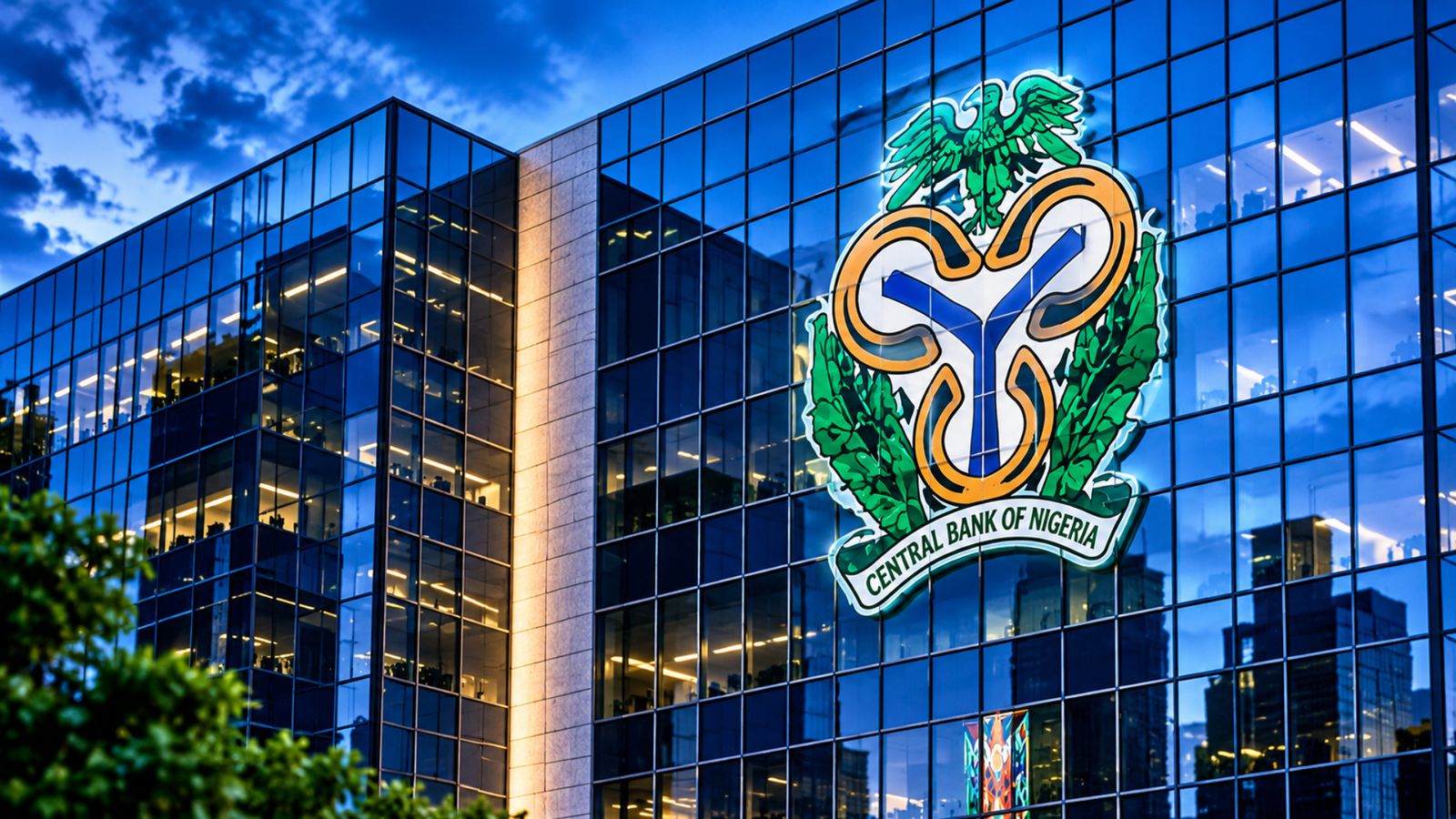
Nigeria’s central bank introduces stablecoin licensing rules, bans algorithmic versions
Nigeria's central bank issued new virtual asset regulations requiring stablecoin issuers and other service providers to obtain loc...

Russia’s central bank approves Bitcoin, Ether and USDT trading for retail investors
Russia's move could boost crypto adoption, influencing global regulatory trends and potentially reshaping retail investment landsc...

Paraguay Bank Crisis Sends USDT to 13% Premium After Ueno Freeze Hits 3M Customers
Key Takeaways: Bybit P2P listing also went about 13% cheaper than Paraguay’s official dollar rate in USDT. The failure of Ueno Ban...

Ukraine Central Bank Refuses to Back Crypto Bill Cleared for Second Reading
Bitcoin Magazine Ukraine Central Bank Refuses to Back Crypto Bill Cleared for Second Reading Ukraine’s central bank will not suppo...

Paraguay Bank Collapse Shows Why Bitcoin Was Created as USDT Hits Premium
Paraguay bank crisis is showing why Bitcoin was created in the first place. USDT sellers reportedly demanded premiums of up to 13%...