Nobel Laureate Paul Krugman Compares Crypto to Housing Bubble and Subprime Crisis
Nobel Prize-winning economist Paul Krugman has compared the current state of cryptocurrency to the housing bubble and the subprime mortgage crisis. Noting that crypto lacks any real value, he said: “it is a house built n...
Archive context
Older archive item. Useful for background and entity history, but not a fresh market-moving signal.
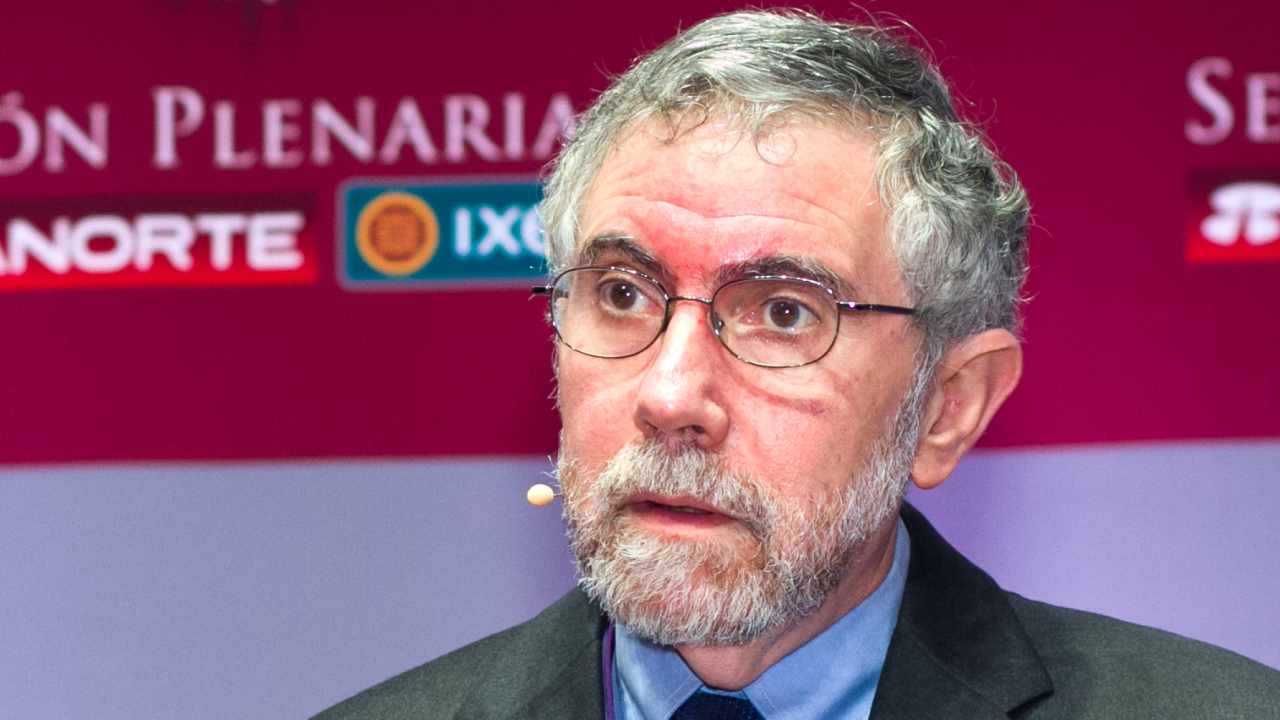
Nobel Prize-winning economist Paul Krugman has compared the current state of cryptocurrency to the housing bubble and the subprime mortgage crisis. Noting that crypto lacks any real value, he said: “it is a house built not on sand, but on nothing at all.”
Paul Krugman on Crypto, Housing Bubble, and Subprime Mortgage Crash
Nobel laureate Paul Krugman discussed the current state of cryptocurrency in an opinion piece published in the New York Times Monday.
Krugman won the Sveriges Riksbank Prize in Economic Sciences in Memory of Alfred Nobel in 2008 “for his analysis of trade patterns and location of economic activity,” the Nobel Prize website details.
He began by referencing The Big Short, a book and a movie that tell the story of investors betting on “the proposition that the huge rise in housing prices in the years before the [2008 global financial] crisis was a bubble, and that many of the seemingly sophisticated financial instruments that helped inflate housing would eventually be revealed as worthless junk,” the economist described, adding:
It just didn’t seem plausible that markets, and the conventional wisdom saying that markets were OK, could be that wrong. But they were.
Proceeding to discuss “the current state of crypto,” he cited the Federal Trade Commission (FTC) stating that cryptocurrency is becoming the payment of choice for many scammers. He also mentioned the collapse of algorithmic stablecoin terrausd (UST), stating that the “stablecoin” was “neither stable nor a coin.”
Krugman then pointed out that at their peak in November, cryptocurrencies’ total market value was almost $3 trillion. He added that early investors made huge profits, renowned business schools offer blockchain courses, and several cities are competing to become the most crypto-friendly.
The Nobel Prize-winning economist opined:
It sounds extreme and implausible to suggest that an asset class that has become so large, whose promoters have acquired so much political influence, could lack any real value — that it is a house built not on sand, but on nothing at all.
“But I remember the housing bubble and the subprime crisis. And if you ask me, it looks as if we’ve gone from the Big Short to the Big Scam,” he concluded.
What do you think about Paul Krugman’s comments? Let us know in the comments section below.
Why this matters
This cryptocurrency story adds another data point to the current market tape and is useful when read alongside nearby source coverage.
Original source
Read on Bitcoin NewsRelated market context
Arca’s Jeff Dorman Calls Vitalik Buterin’s ETH Store-of-Value Pitch ‘Really Misguided’
Jeff Dorman said on Unchained that Ethereum co-founder Vitalik Buterin‘s case for ETH as a store of value is “really misguided.” D...
CFTC Chair Selig criticizes states for targeting prediction market founders
The conflict between state and federal oversight of prediction markets could reshape regulatory frameworks, impacting financial ex...
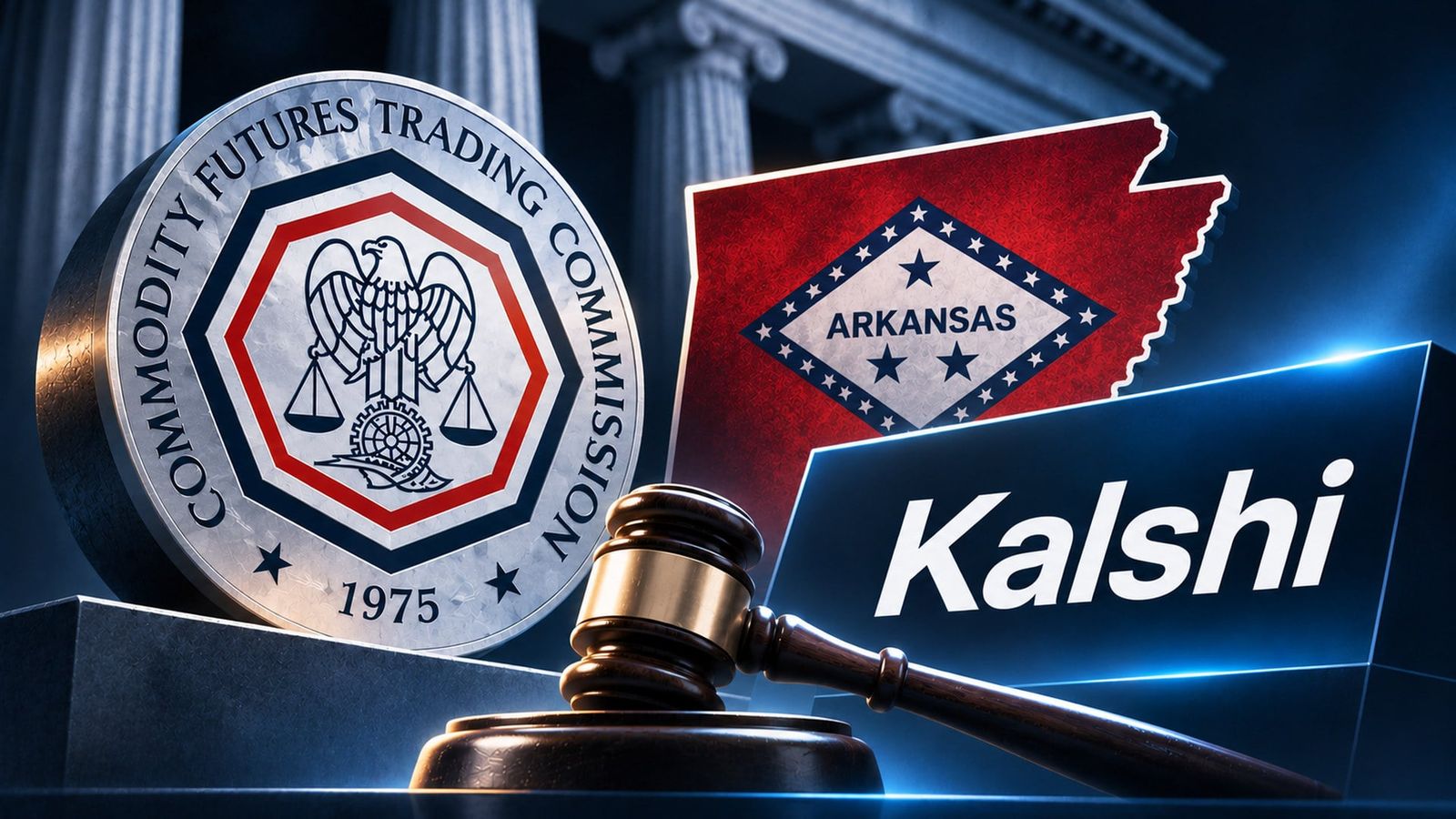
DOJ, CFTC sue Arkansas to block state enforcement action against Kalshi
Arkansas previously sued Kalshi on Nov. 4, alleging that it operated an illegal gambling platform in the state.
Bill Miller IV: “They’re Not Printing More Bitcoin”
▶Bitcoin Magazine Bill Miller IV: “They’re Not Printing More Bitcoin” Bill Miller IV, Chairman and CIO of Miller Value Partners, j...

Kalshi Gets DOJ Backing Against Arkansas Amid Prediction Markets Turf War
The United States and the Commodity Futures Trading Commission (CFTC), the federal derivatives regulator, sued the State of Arkans...
Trump Nominates Ex-CFTC Commissioner Kristin Johnson and Three Others to SEC, CFTC
President Donald Trump sent four nominations to the Senate on Nov. 12 for the Securities and Exchange Commission (SEC) and the Com...