Not Your Keys, Not Your Coins: What True Self-Custody Actually Requires
New research examines how investor behavior, wallet architectures, and operational security practices determine what genuine self-custody requires in 2026.
Archive context
Older archive item. Useful for background and entity history, but not a fresh market-moving signal.

New research examines how investor behavior, wallet architectures, and operational security practices determine what genuine self-custody requires in 2026.
Why this matters
This maps to the Market Structure hub, so it can help confirm whether that theme is gaining breadth across the crypto news cycle.
Original source
Read on CointelegraphRelated market context

Ethereum Researcher’s ‘Bunker Mode’ Call Sparks Debate Over Whether AI Math Threatens Crypto Keys
Ethereum Foundation researcher Justin Drake called on Oct. 7 for the blockchain industry to “calmly begin planning” for “bunker mo...

OSL Brings A USDGO Market-Neutral Fund On-Chain For Hong Kong Investors
TL;DR: OSL Group has tokenized the USDGO Plus SP fund on-chain and is providing custody and distribution through its licensed Hong...
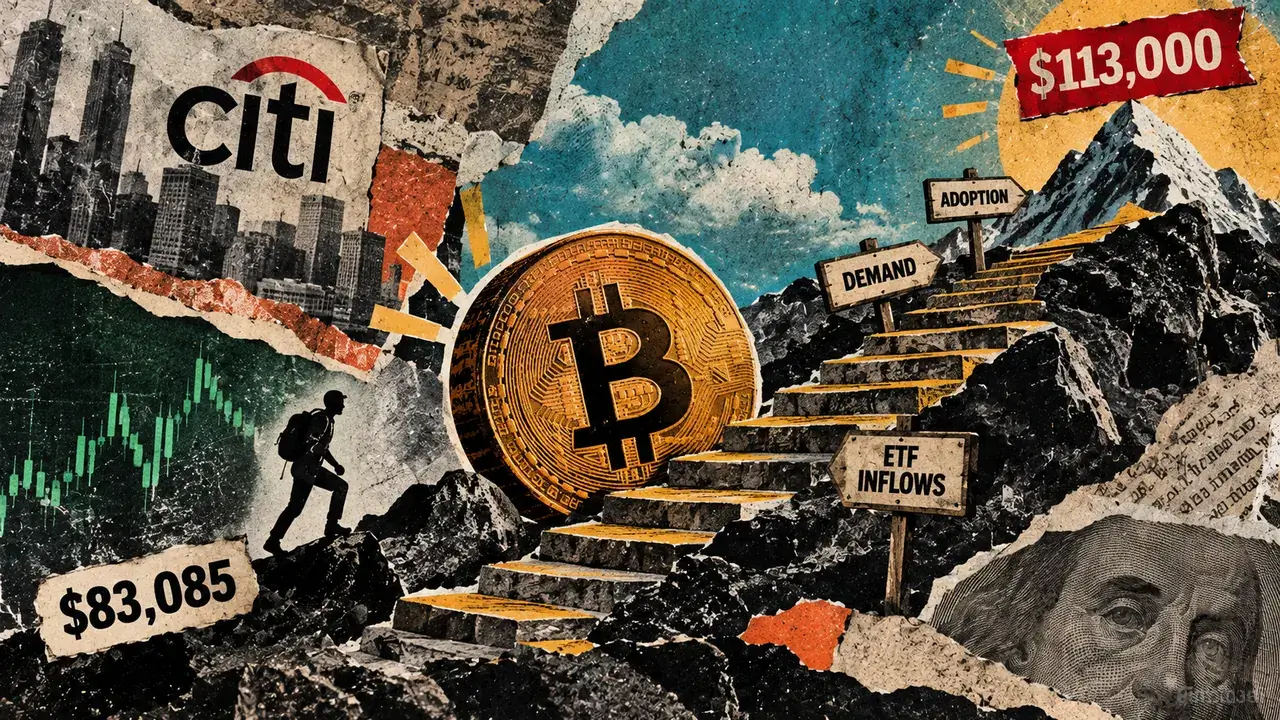
Citi predicts Bitcoin going back to $113,000. Here’s what the buying data shows
Citi's $113,000 Bitcoin target would require a roughly 36% rise from the Oct. 7 reference price, keeping it below its previous rec...

Money20/20 USA 2026: How Bitcoin, Stablecoins and AI Are Reshaping the Future of Finance
Bitcoin Magazine Money20/20 USA 2026: How Bitcoin, Stablecoins and AI Are Reshaping the Future of Finance Fintech has moved beyond...

Why XRP’s 63 billion circulating tokens don’t tell buyers what’s for sale
For XRP buyers, available supply depends on the price they are willing to pay. The token's roughly 63.09 billion circulating suppl...

Coinbase And Samsung Bring USDC Directly Into Samsung Wallet
TL;DR: Coinbase is powering USDC inside Samsung Wallet, with the stablecoin feature due to reach 82 million compatible Galaxy devi...