Portuguese Parliament Rejects Crypto Tax Proposals During Budget Debate
Two proposals to tax crypto assets have failed to gain support from Portuguese lawmakers who are now discussing the state budget. The bids came from minority left-wing parties, while the ruling majority is yet to put for...
Archive context
Older archive item. Useful for background and entity history, but not a fresh market-moving signal.
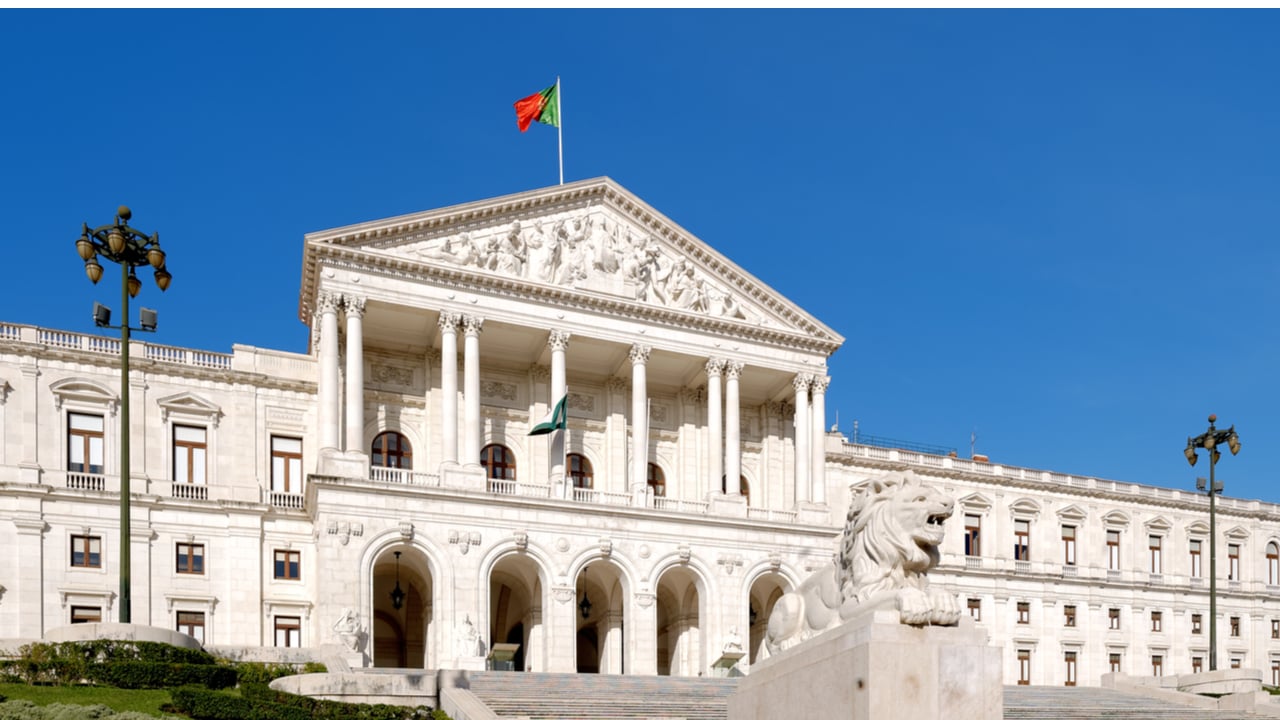
Two proposals to tax crypto assets have failed to gain support from Portuguese lawmakers who are now discussing the state budget. The bids came from minority left-wing parties, while the ruling majority is yet to put forward its own draft to regulate the matter.
Portuguese Lawmakers Stop Motions to Tax Crypto Gains
Members of the Assembly of the Republic, Portugal’s legislature, have rejected two separate proposals to tax profits from crypto investments. They came from the leftist parties Bloco de Esquerda (Left Bloc) and Livre, and were turned down by the majority of the ruling Socialist Party.
The attempts to adopt rules for the taxation of capital gains from crypto assets were made during the ongoing discussions on the country’s 2022 budget, Eco reported. The Portuguese news portal has been following the parliamentary debate.
The development comes after a recent statement by Finance Minister Fernando Medina, who revealed that the government is working on a legal framework allowing the taxation of crypto-related income. He indicated that it’s unacceptable to have tax loopholes for any capital gains, signaling Portugal is preparing to change its tax policy regarding cryptocurrencies.
Portugal established itself as a crypto-friendly destination by maintaining a zero-percent tax rate on profits from private crypto investments. When these gains are not resulting from professional activities, they are not subject to income tax.
Livre’s proposal envisages taxing capital gains from crypto exceeding a threshold of €5,000 ($5,400). The eco-socialist party insisted that the executive power in Lisbon should take the necessary steps to introduce an obligation to declare crypto assets for the purpose of their taxation.
Portugal’s favorable crypto tax regime and relatively affordable costs of living have turned the country into a hub for tech innovations, attracting digital nomads and bitcoin enthusiasts from around the world, including Ukrainians working in the crypto space more recently.
What’s your explanation for Portugal’s decision to change its crypto taxation policy? Tell us in the comments section below.
Why this matters
This cryptocurrency story adds another data point to the current market tape and is useful when read alongside nearby source coverage.
Original source
Read on Bitcoin NewsRelated market context

Twenty One Capital CEO Says $1.09 Billion Quarterly Profit Came From Bitcoin, Not Business
Twenty One Capital (XXI) reported $1.087 billion in net income for the third quarter, and CEO Rapha Zagury told shareholders on Fr...

Twenty One Capital’s Bitcoin Gains Fuel First Profitable Quarter at $1.09B
Tether-backed Twenty One Capital reported $1.087 billion in third-quarter net income, largely driven by unrealized gains on its bi...

Tether-backed Twenty One Capital reports $1.09 billion Q3 net income on bitcoin gains
Twenty One Capital reported $1.09 billion in Q3 net income, driven by Bitcoin gains, while posting a $4.8 million operating loss.

Twenty One Capital posts $1.087 billion Q3 net income on Bitcoin gains
The reliance on Bitcoin's valuation highlights the volatility risk for Twenty One Capital, emphasizing the need for diversified re...

Kalshi Gets DOJ Backing Against Arkansas Amid Prediction Markets Turf War
The United States and the Commodity Futures Trading Commission (CFTC), the federal derivatives regulator, sued the State of Arkans...

Kalshi Ends Trump Jr. Advisory Role After 1789 Capital Invests in Rival Polymarket
Key Takeaways: Kalshi terminated its partnership with Donald Trump Jr.’s firm after it made a bet on their competitor, Polymarket....