Russian Parliament Adopts Tax Rules for Digital Assets
Russian lawmakers have approved amendments regulating the taxation of transactions with digital assets. The legislation concerns business operations with cryptocurrencies and tokens. In some cases, the burden for Russian...
Archive context
Older archive item. Useful for background and entity history, but not a fresh market-moving signal.
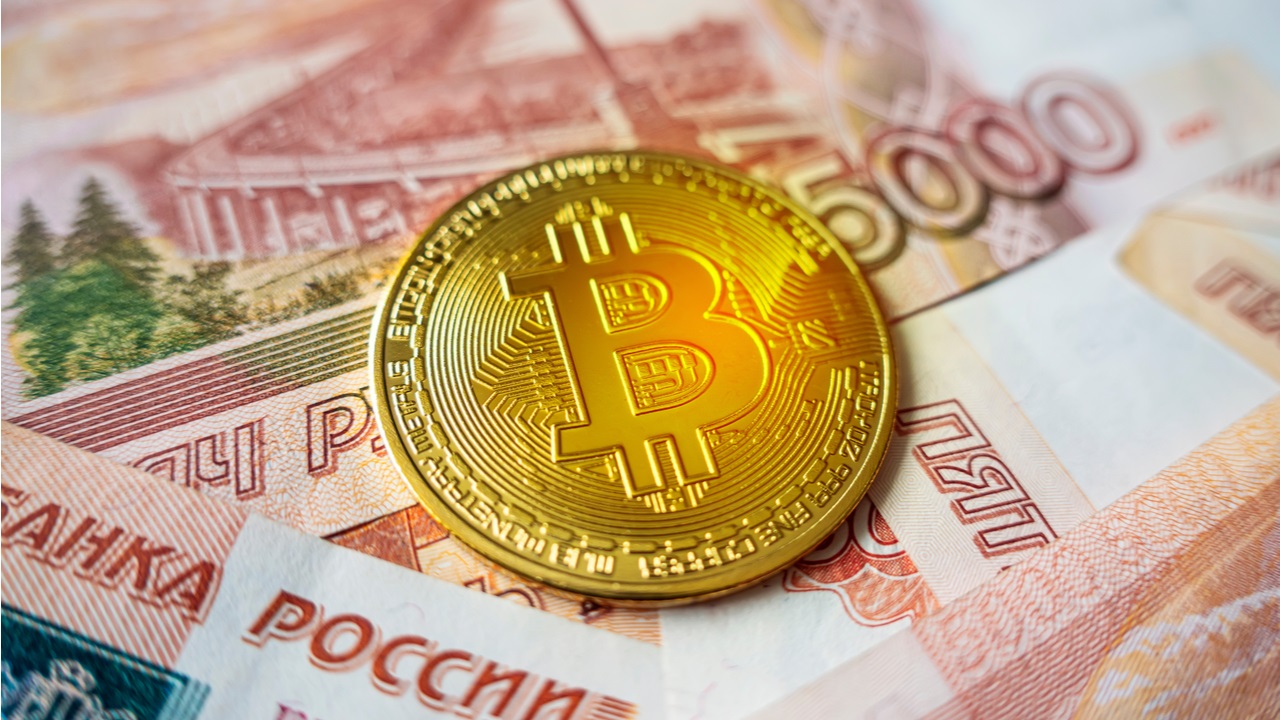
Russian lawmakers have approved amendments regulating the taxation of transactions with digital assets. The legislation concerns business operations with cryptocurrencies and tokens. In some cases, the burden for Russian companies will be reduced as compared to foreign entities.
Russian Duma Passes Law to Tax Crypto TransactionsA bill amending the Tax Code of the Russian Federation to allow the authorities in Moscow to tax operations with digital financial assets (DFAs) has been approved on second, third, and final reading in the State Duma, the lower house of Russian parliament.
The legislation clarifies various aspects of the taxation of cryptocurrencies, as DFA is currently the main term in Russian law that applies to them. A new law “On Digital Currency” should expand the legal framework and definitions for crypto assets this fall.
According to the document, quoted by the crypto news outlet Forklog, services provided by platforms that issue, control, and keep records of the movement of DFAs will be excluded from the scope of the value-added tax (VAT), just like with securities.
When exercising digital rights, the legal term that encompasses security and utility tokens, the tax base will be determined as the difference between the sale and the acquisition price of the respective digital right, the report detailed.
Russian legal entities owning digital tokens will pay 13% on the amount of income received from them while foreign-based companies will be charged at a higher, 15% rate, the new tax provisions dictate, giving a slight advantage to local businesses.
The crypto tax law was initially submitted to the State Duma in mid-April and passed on first reading the following month. It was also approved by the parliamentary financial market and new legislation committees. At the time, legal experts were quoted as noting that the tax rules do not apply to private crypto holdings.
Russian officials have been working this year to comprehensively regulate the country’s crypto space. The adoption of the digital currency law, which was proposed by the Ministry of Finance in February, has been delayed by ongoing discussions on the future legal status of decentralized cryptocurrencies like bitcoin.
Do you expect Russia to adopt more crypto-related regulations by the end of 2022? Tell us in the comments section below.
Why this matters
This cryptocurrency story adds another data point to the current market tape and is useful when read alongside nearby source coverage.
Original source
Read on Bitcoin NewsRelated market context

Visa Taps Anchorage Digital to Bring Western Union’s USDPT Into Stablecoin Settlement
Key Takeaways: Visa will provide its USDPT as an option for the settlement of stablecoins. USDPT is issued by Anchorage Digital Ba...

Digital Credit: Comparing The Six Bitcoin Preferred Stocks
Bitcoin Magazine Digital Credit: Comparing The Six Bitcoin Preferred Stocks Digital credit is an emerging asset class that transfo...

BTSE Enterprise Solutions Wins Best White-Label Digital Asset Exchange Platform at Digital Banker Awards 2026
Apia, Samoa, November 13th, 2026, Chainwire BTSE Enterprise Solutions has been named Best White-Label Digital Asset Exchange Platf...

Binance’s Reserve Page Shows 1.06 Billion More USDT Than Customer Balances After Hack Refill
Binance said on Nov. 12 it has finished covering all assets hit in its Oct. 29 hack, though customers can’t yet check that for the...

Binance Puts New Reserve Snapshot Under Scrutiny After $6.3B Crypto Hack
Key Takeaways: Binance states that assets affected by the hack of $6.3B are covered. There is now a new Proof of Reserves snapshot...

Chainlink and Moody’s Complete Testnet Pilot for Cross-Chain Credit Ratings
TL;DR: Chainlink and Moody's Ratings completed a cross-chain distribution pilot using test data. It ran on testnets and did not pu...