Samourai Wallet says feds hid advice that crypto mixer was in the clear
Samourai Wallet’s lawyers allege federal prosecutors suppressed advice that the firm didn’t need a license before they charged executives at the crypto mixing service months later. In a May 5 letter to a Manhattan federa...
Archive context
Older archive item. Useful for background and entity history, but not a fresh market-moving signal.
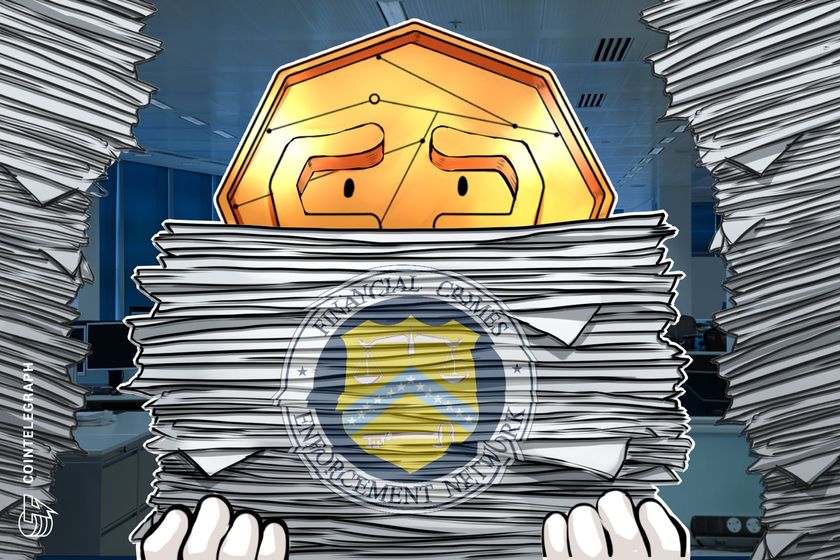
Samourai Wallet’s lawyers allege federal prosecutors suppressed advice that the firm didn’t need a license before they charged executives at the crypto mixing service months later.
In a May 5 letter to a Manhattan federal court, lawyers for Samourai co-founders Keonne Rodriguez and William Hill said prosecutors disclosed that the US Treasury Department’s Financial Crimes Enforcement Network (FinCEN) representatives told them six months before they charged the pair “that under FinCEN’s guidance, the Samourai Wallet app would not qualify as a ‘Money Services Business’ requiring a FinCEN license.”
“Shockingly, six months later, the same prosecutors criminally charged Keonne Rodriguez and William Hill with operating just such a business without a FinCEN license,” the lawyers added.
The letter claimed that prosecutors were required to share their discussions with FinCEN over Samourai two weeks after they unsealed charges, making the deadline May 8 last year, but instead “suppressed this information for over a year, disclosing it only on April 1, 2025.”
Prosecutors charged Samourai CEO Rodriguez and its technology chief Hill with conspiracy to operate an unlicensed money transmitting business and money laundering conspiracy in February 2024, unsealing the charges and arresting the pair in April that year.
Samourai’s mixing service took crypto from multiple users and blended it together to hide its origins. The government alleged the platform helped with over $2 billion in illegal transactions and facilitated over $100 million worth of money laundering transactions from online black markets and scammers.
Rodriguez and Hill both pleaded not guilty.
In the letter, their lawyers said prosecutors shared details of a call with Kevin O’Connor, chief of FinCEN’s Virtual Assets and Emerging Technology Section in the Enforcement and Compliance Division, and Policy Division staffer Lorena Valente.
According to an email from one of the prosecutors summarizing the call, FinCEN said that “because Samourai does not take ‘custody’ of the cryptocurrency by possessing the private keys to any addresses where the cryptocurrency is stored, that would strongly suggest that Samourai is NOT acting as an MSB [money services business].”
An excerpt of an email from prosecutor Andrew Chan said FinCEN “did not have a sense” of what it would decide on Samourai. Source: CourtListenerThe email said O’Connor and Valente agreed that the government could try to argue that Samourai functionally controlled the crypto, “but that has never been addressed in the guidance, and so it could be a difficult argument” for prosecutors.
Samourai’s lawyers asked the court for a hearing “to determine the circumstances surrounding the Government’s late disclosure” and to administer a remedy.
Samourai to renew dismissal bid if case goes onRodriguez and Hill’s lawyers said that, using this latest information, they would again ask for the charges to be dismissed, arguing they lacked fair notice and “understood they were acting lawfully.”
Related: US Treasury’s OFAC can’t restore Tornado Cash sanctions, judge rules
Prosecutors and Samourai asked the court for more time on April 28 to consider potentially dismissing the case after the Justice Department rolled back its crypto enforcement.
Rodriguez and Hill bid to dismiss the case in early April, arguing it should be dropped as Deputy Attorney General Todd Blanche said in an April 7 memo that the Justice Department wouldn’t prosecute crypto mixers for “unwitting violations of regulations.”
In the latest letter, their lawyers said if the government “were to resist the Blanche Memo’s directive and push forward,” then they would bid to dismiss as “if they were not money transmitters under FinCEN’s guidance, then they could not possibly be prosecuted for not having a license.”
Magazine: Tornado Cash 2.0 — The race to build safe and legal coin mixers
Why this matters
This cryptocurrency story adds another data point to the current market tape and is useful when read alongside nearby source coverage.
Original source
Read on CointelegraphRelated market context
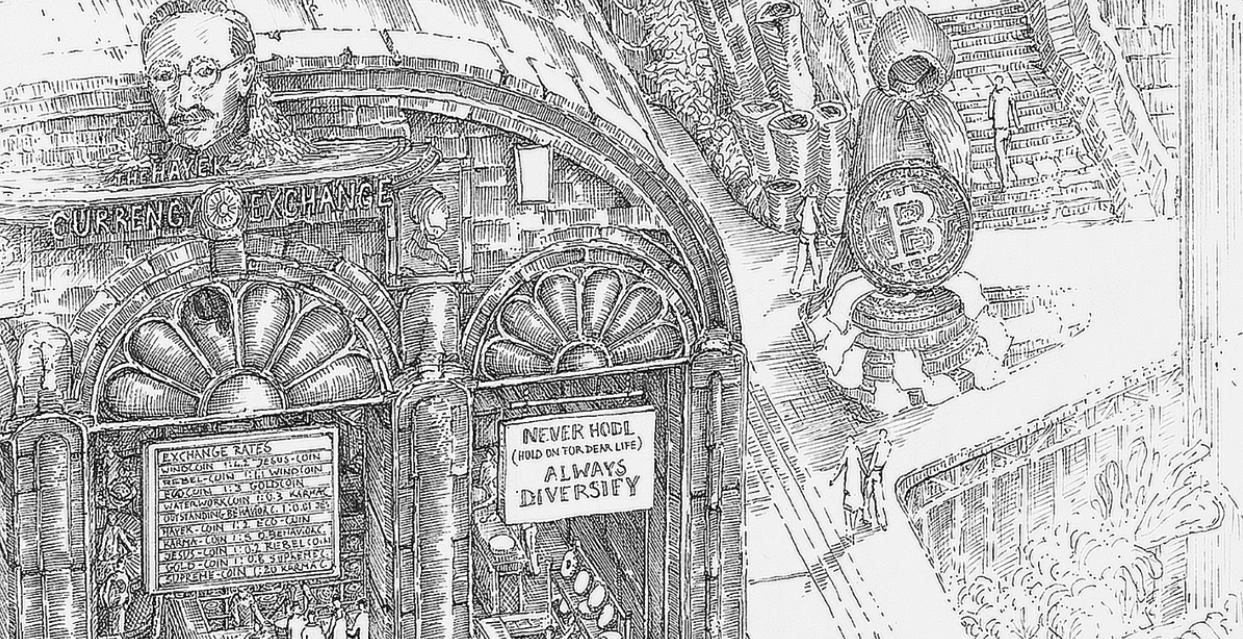
The Architecture of Money: Mapping Financial Power in the Age of Bitcoin
Bitcoin Magazine The Architecture of Money: Mapping Financial Power in the Age of Bitcoin Money determines where we live, what we...

Revolut Wins Gibraltar Crypto License, Reopens Sign-Ups for Local Residents
Gibraltar's financial regulator has authorized a new Revolut subsidiary to provide crypto services, the government said today (Mon...

Logos launches evidence layer for tokenized assets at Money20/20
Logos' evidence layer could streamline tokenized asset evaluation, reducing redundancy and fostering industry-wide standardization...

Google tightens crypto ad rules in UAE, requires licenses by Oct. 21
Google's stricter crypto ad rules in the UAE may boost regulatory clarity, potentially enhancing crypto adoption and influencing B...

Circle and Proof demo AI agents that verify identity and pay in USDC at Money20/20
The integration of identity verification and payment in AI agents could streamline transactions, reduce data liability, and influe...

USDC Network Fees in 2026: Ethereum vs Solana vs Other Chains, Priced to the Cent
A USDC balance is the same dollar on every chain Circle issues it on. Moving it is not the same price. In October 2026 the spread...