Sanctioned Russian Giant Rostec Bypasses Banks with Tron-Based RUBx Stablecoin
Rostec, a major Russian state-owned defense conglomerate, has found a way to bypass traditional banking systems. It has revealed its intention to introduce its RUBx stablecoin alongside RT-Pay, a specialized platform des...
Archive context
Older archive item. Useful for background and entity history, but not a fresh market-moving signal.
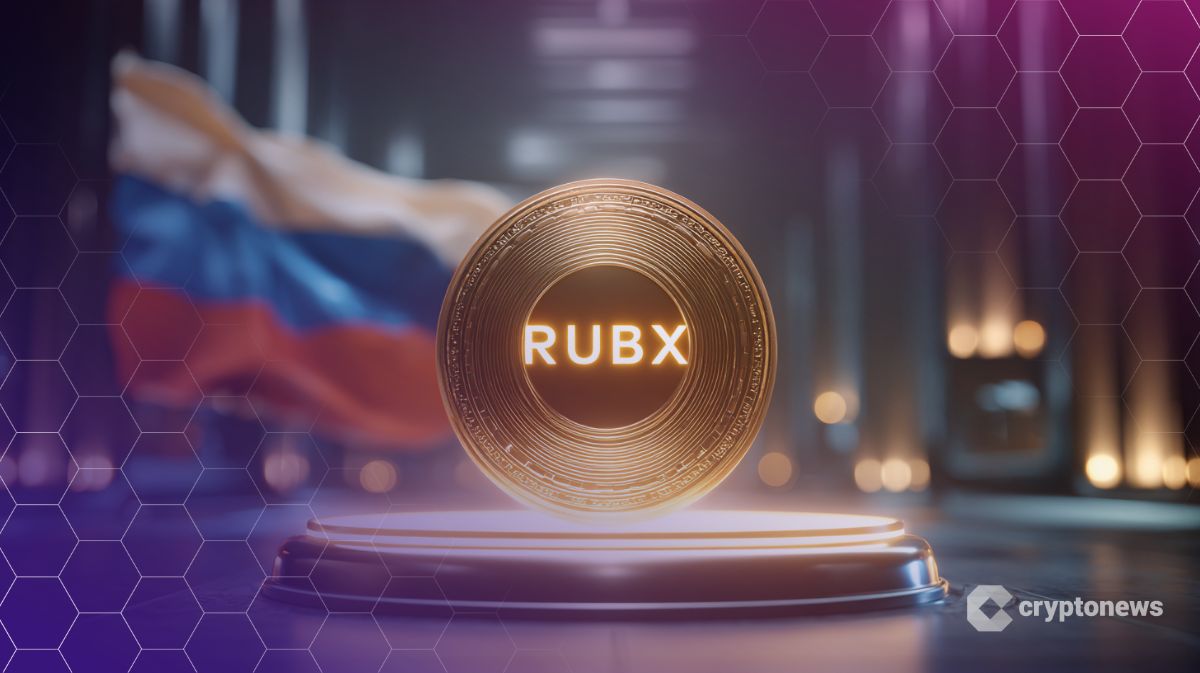
Rostec, a major Russian state-owned defense conglomerate, has found a way to bypass traditional banking systems. It has revealed its intention to introduce its RUBx stablecoin alongside RT-Pay, a specialized platform designed for cryptocurrency-based transactions.
The RUBx token, which maintains a 1:1 peg to the Russian ruble, will function on the TRON blockchain network.
In a July 3 company statement, Rostec indicated that both the stablecoin and RT-Pay platforms would function as secure payment mechanisms for commercial entities and retail users.
Russia’s state-owned conglomerate Rostec plans to launch a fiat-backed stablecoin called RUBx later this year, built on the Tron blockchain. RUBx will be pegged 1:1 to the Russian ruble and aims to drive ruble digitization through the RT‑Pay payment platform.…
— Wu Blockchain (@WuBlockchain) July 4, 2025 Why the RUBx Stablecoin Could ‘Kill SWIFT’ for Russian Payments Despite US SanctionsRostec asserts that the platform operates in full compliance with Russian regulatory frameworks, including Central Bank requirements and anti-money laundering protocols designed to prevent terrorist financing.
“Each RUBx token is supported by genuine ruble-denominated obligations. This backing is legally secured. The token maintains a one-to-one ratio with the actual ruble. We plan to launch the system within this year, with Rostec acting as the primary operator,” stated Rostec Deputy General Director Alexander Nazarov.
Rostec has operated under comprehensive US sanctions since June 2022, implemented following Russia’s military invasion of Ukraine.
These restrictions, enforced by multiple nations, including the United States and European Union, target Rostec’s subsidiary companies and affiliated entities.
The sanctions seek to limit Russia’s military production capacity and its capabilities in weapons manufacturing.
Industry observers have characterized the RUBx stablecoin initiative as Russia’s strategic attempt to circumvent SWIFT, the international financial messaging system supervised by G-10 central banks, including the United States.
This interpretation gains credibility given that Russia’s Central Bank has explicitly stated in recent years that its primary objective in developing a digital ruble is to provide Russian corporations and financial institutions with “independence from SWIFT.”
Russia’s ‘Crypto Shift’: State-owned Firms Use Blockchain To Beat Dollar DominanceRegarding the forthcoming RUBx stablecoin, Rostec confirmed that the RT-Pay platform will integrate with existing banking infrastructure, allowing digital payment processing and interaction with external cryptocurrency wallets and smart contracts.
The RUBx token, built on Justin Sun’s TRON blockchain, will have its source code made publicly available on GitHub and undergo verification and security auditing by CertiK, an independent international blockchain security firm.
Russia also appears to be increasingly embracing cryptocurrency as a method to circumvent international sanctions.
Recently, the Russian Agricultural Bank (RusAg) announced it is collaborating with the Bank of Russia to assess digital asset-based payment solutions for grain export transactions.
Russia is exploring ways to use cryptocurrencies to settle grain export payments, as the country looks to bypass Western sanctions.#Russia #Cryptohttps://t.co/zCSTnCTLEJ
— Cryptonews.com (@cryptonews) June 2, 2025Irina Zhachkina, RusAg’s First Deputy CEO, characterized cryptocurrencies as a “practical alternative instrument” for international payments, particularly as sanctions continue restricting Russia’s access to conventional financial systems.
Russian grain exporters are facing mounting pressure from restrictions that affect logistics, shipping insurance, and access to the SWIFT banking network.
These constraints have increasingly complicated Russian companies’ ability to conduct transactions in US dollars or euros.
Both the RUBx stablecoin initiative and grain settlement mechanisms build upon Russia’s previous experience utilizing cryptocurrencies, including Bitcoin (BTC), Ethereum (ETH), and Tether (USDT) for oil trade settlements with China and India.
China and Russia are reportedly using Bitcoin to settle energy trades, marking a significant shift in global trade dynamics and de-dollarization.#Bitcoin #Energyhttps://t.co/UVJDN4rZSv
— Cryptonews.com (@cryptonews) April 10, 2025State-owned enterprises are also simultaneously developing proprietary blockchain services.
For example, in March, Gazprom, Russia’s majority-state-owned energy giant, launched a series of tradable blockchain-powered “digital financial assets” (DFAs).
Similarly, Rostelecom, Russia’s largest telecommunications and digital services provider, issued two proprietary DFAs on the Moscow Exchange earlier that month.
Additionally, Russia appears to be leveraging cryptocurrency and Distributed Ledger Technology (DLT) as countermeasures against international sanctions.
In May, Russian media outlet RBC reported that the central bank had established regulatory guidelines governing the use of cryptocurrency by Russian firms in international trade agreements.
These regulations specify that digital currencies “must not be associated with securities issued by hostile issuers” and emphasize the necessity of engaging with projects that maintain a presence in “friendly countries.”
The post Sanctioned Russian Giant Rostec Bypasses Banks with Tron-Based RUBx Stablecoin appeared first on Cryptonews.
Why this matters
This cryptocurrency story adds another data point to the current market tape and is useful when read alongside nearby source coverage.
Original source
Read on CryptonewsRelated market context

UK sanctions three crypto exchanges tied to Russian illicit funds
The UK sanctioned crypto exchanges and payment processors, some of which were tied to thousands of Russian entities and the sancti...

Coinbase and Gennius plan ONED USD stablecoin access through Latin American banks
Coinbase's partnership with Gennius could reshape Latin American banking by integrating stablecoins, enhancing financial inclusion...

Kyrgyzstan Shuts Stablecoin USDKG, Burns 50M Tokens After UK Sanctions
Kyrgyzstan is winding down USDKG, its state-backed gold stablecoin, and liquidating both its issuer and the country’s first state-...

Coinbase and Gennius Plan ONED Stablecoin Access Through Latin American Banks
The Argentina-first initiative would let customers convert eligible deposits into ONED USD, transfer it around the clock and spend...

XRP Ledger adds new controls for banks, stablecoins and tokenized funds
The feature lets businesses give separate accounts limited powers such as approving customers or making payments, while keeping th...
Banking Giant Standard Chartered Expands Crypto Custody to Singapore
Standard Chartered is preparing to bring institutional crypto custody to Singapore, expanding its digital asset operations into an...