South Korean Companies Required to Disclose Crypto Holdings under New Rules
Companies holding or trading cryptocurrencies in South Korea will be required to disclose information about their transactions to the financial regulator, according to the draft rules released by the country's Financial...
Archive context
Older archive item. Useful for background and entity history, but not a fresh market-moving signal.

Companies holding or trading cryptocurrencies in South Korea will be required to disclose information about their transactions to the financial regulator, according to the draft rules released by the country's Financial Services Commission (FSC) yesterday (Tuesday).
According to the rules, the FSC said that the companies would be required to share information about the amount of digital assets they hold, the characteristics of the assets, as well as their business model. Additionally, the draft rules require companies to disclose profits from cryptocurrencies and the market value of their holdings.
Transparency and Accountability
The new measures, according to the FSC, aim to improve transparency in accounting for digital assets held by corporations. Additionally, the regulator will divulge profits from the sale of virtual assets. However, the cost incurred in developing the assets is not recognized as intangible assets, the announcement stated.
The draft rules are part of a bigger agenda by South Korea to regulate cryptocurrencies. Finance Magnates reported in May that the country's ruling party, People Power Party, was preparing a bill that also required lawmakers to declare their crypto holdings.
According to the sources quoted by Yonap, a media publication in South Korea, the bill aims to enhance transparency among the legislators regarding their holdings of digital assets. The bill followed investigations launched against Kim Nam-kuk, a former opposition lawmaker in South Korea.
South Korea Regulates Crypto
Similarly, in March last year, South Korea implemented the travel rule of the Financial Action Task Force, a global regulator fighting money laundering and terror financing. The rule requires digital exchanges to report transactions that exceed certain amounts specified by the watchdog.
Besides that, in March, the South Korean National Assembly passed a law that provides a legal framework for the regulation of digital assets. Known as the Virtual Asset User Protection Act, the legislation defines what digital assets are and the penalties for illegal transactions.
The legislation also states that digital services providers should separate users' assets from their own and must insure customers' funds. On top of that, digital asset exchanges are required to hold sufficient reserves to back the crypto assets issued to their users.
This article was written by Jared Kirui at www.financemagnates.com.Why this matters
This cryptocurrency story adds another data point to the current market tape and is useful when read alongside nearby source coverage.
Original source
Read on Finance MagnatesRelated market context

South Korea may delay crypto tax for Digital Asset Basic Act passage
Delaying the crypto tax for regulatory clarity may boost market confidence, fostering innovation and potentially influencing globa...

Binance’s $6.3 Billion Hack Has South Korea Asking Exchanges to Hold More Crypto Offline
At an emergency meeting on Nov. 2, South Korea’s Financial Services Commission asked major crypto exchanges to move more customer...
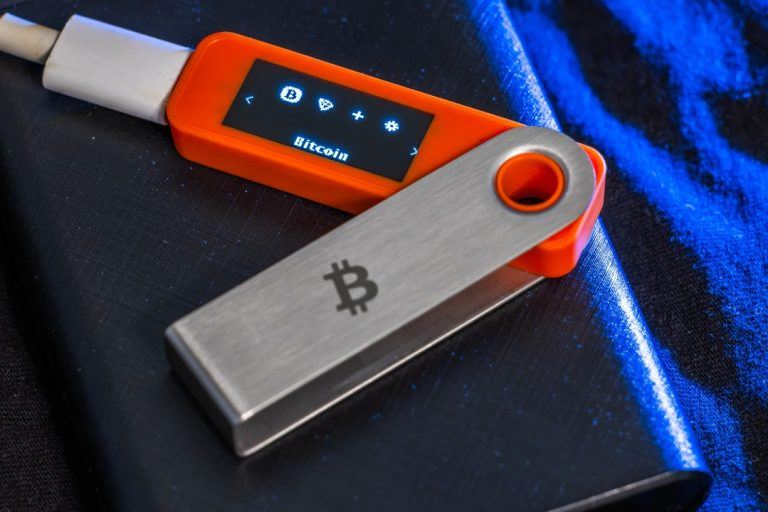
South Korean Regulator Demands Tighter Cold-Wallet Controls for Crypto Firms
South Korean financial regulators have called for increased cold wallet storage and tighter internal access controls just days aft...
South Korea ruling party proposes crypto tax delay to 2029 for market readiness
The proposed crypto tax delay in South Korea could boost market confidence, fostering investment and growth in the digital asset s...
Binance hack highlights risks of tokenized assets amid North Korean thefts
The Binance hack underscores the urgent need for enhanced security measures and regulatory frameworks to protect tokenized assets...
SEC Updates Crypto-Asset FAQs as Firms Seek Clarity on Federal Securities Rules
TL;DR: The SEC Division of Corporation Finance added questions 1.4, 1.5 and 1.6 to its crypto-assets FAQ on November 2, 2026. SEC...