Targeting Institutions: Coinbase Introduces New Crypto Lending Service
Coinbase (Nasdaq: COIN) has recently introduced a new crypto lending service in the United States, primarily targeting institutional clients. This development comes as a response to the challenges faced by other companie...
Archive context
Older archive item. Useful for background and entity history, but not a fresh market-moving signal.

Coinbase (Nasdaq: COIN) has recently introduced a new crypto lending service in the United States, primarily targeting institutional clients. This development comes as a response to the challenges faced by other companies like Genesis and BlockFi, which experienced significant losses in the past.
The announcement was made through a U.S. Securities and Exchange Commission (SEC) filing on September 1st, revealing that Coinbase had already raised $57 million for this new lending program.
How Coinbase's Crypto Lending Service Works
Clients, who are predominantly institutional investors, can lend money to Coinbase, with crypto assets being the primary form of collateral. In turn, Coinbase provides collateral to these clients, typically exceeding the value of the loan. This overcollateralization serves as a safeguard to protect against potential losses. Coinbase then uses the funds obtained from clients to offer secured loans to other institutional trading clients. This service is akin to traditional prime brokerage services offered by banks in the world of traditional finance.
Abandoning Controversial 'Lend' Program for Retail Customers in 2021
Back in September 2021, Coinbase's CEO Brian Armstrong revealed that the SEC had threatened to sue the exchange if it proceeded with the launch of its product called 'Lend'. Coinbase subsequently made a quiet update to a June blog post, indicating that they would not be launching the "USDC APY program" that was originally planned.
The 'Lend' product was intended to support a crypto savings account that would offer customers an annual percentage yield (APY) of 4%, which is a significantly higher return compared to most traditional bank savings accounts. However, regulatory concerns and potential legal action from the SEC led Coinbase to abandon this initiative.
The controversial 'lend' program was designed for retail customers and cancelled in 2021 following objections from SEC officials. The current lending service is tailored specifically for institutional clients, and it is presumed that such investors have the necessary sophistication to navigate the regulatory landscape effectively.
Regulatory Ambiguity and Conflicting Positions: Coinbase's Defense Strategy
According to a report by Finance Magnates in August 2023, the SEC had accused Coinbase of running its crypto trading platform illegally and selling unregistered securities, alleging that the exchange improperly bundled exchange, broker-dealer, and clearinghouse services, contrary to securities regulations. Coinbase was set to challenge the SEC’s lawsuit by filing a petition for dismissal arguing that it never listed securities and that the SEC lacks jurisdiction over cryptocurrency exchanges.
Coinbase's defense revolves around the lack of regulatory clarity in the digital asset sector and inconsistencies in regulatory positions on digital assets, citing divergent statements by the SEC and CFTC regarding Ether's classification as a commodity or security.
Despite cooperating with the SEC and maintaining transparency, Coinbase was disappointed by the enforcement action in June and legal proceedings initiated by ten states concerning their staking services. In Q2, Coinbase reported a revenue decline of 10% to $662 million, including a drop of 13% in transaction revenue due to reduced trading volumes, and a decline of 12% in consumer segment revenue. Notably, a recent federal judge's opinion suggested that cryptocurrencies could be classified as securities, contradicting a prior stance in the SEC vs. Ripple case.
The move by Coinbase into the crypto lending space reflects the growing demand for financial services in the cryptocurrency industry, especially among institutional investors seeking secure and regulated platforms for their crypto-related activities.
This article was written by Tareq Sikder at www.financemagnates.com.Why this matters
This cryptocurrency story adds another data point to the current market tape and is useful when read alongside nearby source coverage.
Original source
Read on Finance MagnatesRelated market context

EDX Markets and VerifiedX Partner to Bring Verified Bitcoin (vBTC) to Institutional Markets
Bitcoin Magazine EDX Markets and VerifiedX Partner to Bring Verified Bitcoin (vBTC) to Institutional Markets VerifiedX (verifiedx....

ESMA orders MiCA firms to halt services for non-compliant stablecoins
The EU's deadline for crypto firms to drop non-compliant stablecoins like USDT may reshape market dynamics and regulatory strategi...

Aave layers up security as crypto lending climbs 55%
Aave's enhanced security measures set a new standard in DeFi, highlighting the need for robust defenses amid rising interconnected...

Money20/20 USA 2026: How Bitcoin, Stablecoins and AI Are Reshaping the Future of Finance
Bitcoin Magazine Money20/20 USA 2026: How Bitcoin, Stablecoins and AI Are Reshaping the Future of Finance Fintech has moved beyond...

New tech to power bitcoin lending is set to debut with $500 million in commitments
Layer-1 blockchain Sui is launching Hashi, an institutional protocol allowing holders to use bitcoin as collateral without moving...
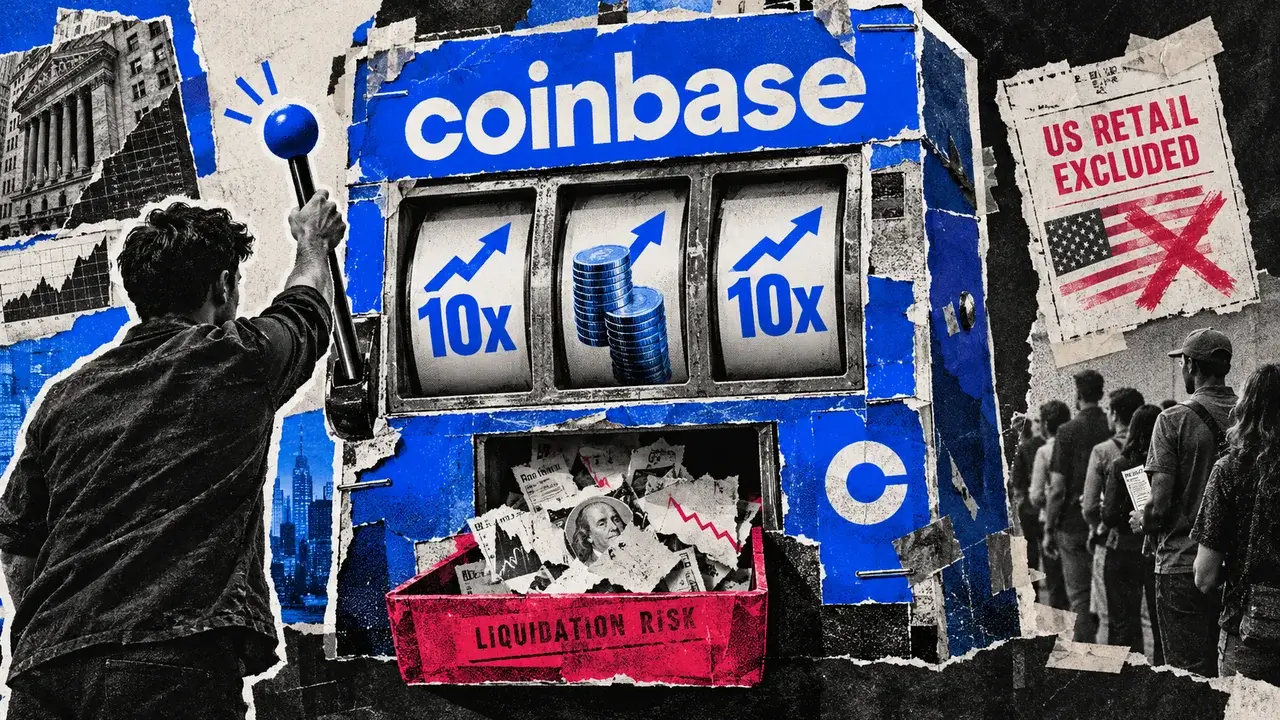
Coinbase rolls out 10x spot leverage, but blocks US retail from it
Coinbase plans to introduce spot borrowing with up to 10x leverage, letting eligible traders borrow against collateral to buy cryp...