Tether CEO defends decision to skip MiCA registration for USDT
Paolo Ardoino, CEO of stablecoin issuer Tether, addressed criticism over the company's decision not to seek registration under the European Union’s Markets in Crypto-Assets (MiCA) framework, arguing that the regulations...
Archive context
Older archive item. Useful for background and entity history, but not a fresh market-moving signal.
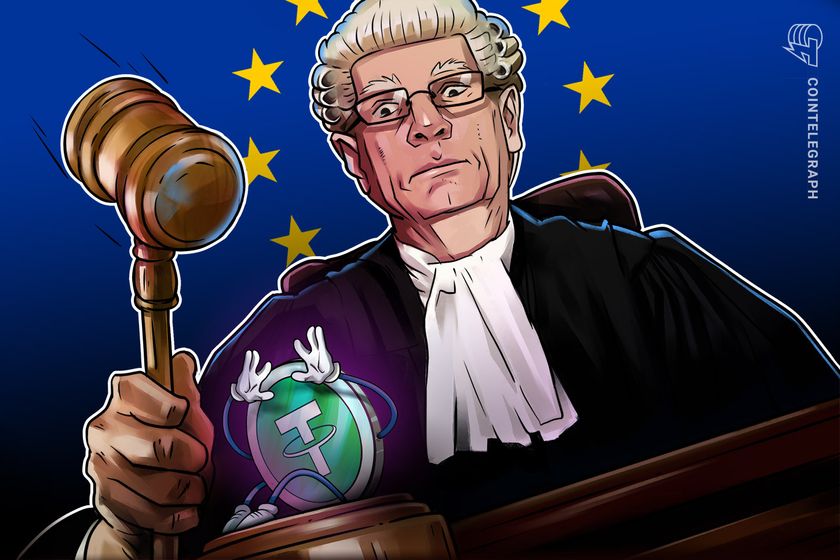
Paolo Ardoino, CEO of stablecoin issuer Tether, addressed criticism over the company's decision not to seek registration under the European Union’s Markets in Crypto-Assets (MiCA) framework, arguing that the regulations were risky for stablecoins.
Speaking to Cointelegraph at the Token2049 conference in Dubai, Ardoino reiterated that Tether had no plans to apply for its US dollar-pegged stablecoin USDt — the largest by market capitalization — to be compliant under MiCA in European countries, potentially forcing exchanges to delist the stablecoin. He added that though crypto firms had to follow regulations, there was a “fear of compliance” among companies in the EU.
“[...] MiCA license is very dangerous when it comes to stablecoins, and I believe that is even more dangerous for the small, medium banking system in Europe,” said the Tether CEO, adding that banks in the region could “go belly up” in the next few years thanks to MiCA's requirements, such as keeping 60% of stablecoins reserves in insured cash deposits in European banks. Ardoino added:
“I decided to not apply to the MiCA license because I need to protect the 400 million+ users that we have around the world. They are not as lucky as Europeans. I love Europe, but I think that unfortunately European Central Bank is more interested [in pushing] the digital euro as a way to control people and control how they spend their money.”Related: Paolo Ardoino: Competitors and politicians intend to ‘kill Tether’
After years of planning and research, EU officials began to implement requirements under MiCA in December 2024. Tether, which is regulated and headquartered in El Salvador, is required to comply with MiCA regulatory requirements if offering products or services in EU member states.
Since the regulations went into effect, many crypto exchanges have acted to ensure their platforms listed as MiCA-compliant tokens. Kraken delisted five stablecoins, including USDt, and Crypto.com announced plans to delist 10 stablecoins as of January.
On nations establishing crypto reservesSpeaking on its intentions for operating in the United States, Ardoino said the country “would require a different type of product,” given the competition with local stablecoin issuers. He added that the US’ and other countries’ efforts to establish a Bitcoin (BTC) stockpile were “just inevitable.”
“In the medium to long term, the more Bitcoin education, the more companies will set the example […] then everyone else will follow,” said the Tether CEO. “It’s never too late to buy Bitcoin.”
Ardoino’s statements came the same day that Tether announced roughly $120 billion in exposure to US Treasurys as of the first quarter of 2025. As of May 1, USDt had a market capitalization of roughly $149 billion.
Magazine: Crypto wanted to overthrow banks, now it’s becoming them in stablecoin fight
Why this matters
This cryptocurrency story adds another data point to the current market tape and is useful when read alongside nearby source coverage.
Original source
Read on CointelegraphRelated market context

Morgan Stanley Builds Crypto Lab to Test Stablecoins, Tokenization and DeFi at Scale
Key Takeaways: Morgan Stanley has opened a Digital Asset Lab dedicated to blockchain technologies. The test is to be applied to th...

Tether says its freezes drove a 94% drop in Iran-linked stablecoin volumes
Tether's proactive compliance highlights the potential for stablecoin issuers to influence global financial regulations and enforc...

Stablecoin Growth Cooled as Deposit Rates Rose, With USDC Most Exposed, Working Paper Says
When U.S. banks paid savers more, stablecoins grew more slowly, according to a Bank for International Settlements working paper pu...

Mastercard launches stablecoin risk screening for banks and payment providers
The new service combines payment data and blockchain analytics to help banks detect suspicious stablecoin transactions before sett...

Chainalysis: USDC-led stablecoins take 44% of Canadian dollar crypto volume
The rise in stablecoin use in Canada highlights a shift towards utility-driven crypto demand, potentially impacting domestic finan...

Mastercard expands crypto team as stablecoins, not Bitcoin, take center stage
Mastercard's focus on stablecoins over Bitcoin highlights a shift towards integrating blockchain with traditional finance, impacti...