Thailand Adopts Rules Restricting Cryptocurrency Payments From April
Regulators in Thailand have decided to limit the use of cryptocurrencies as a means of payment. The authorities consider the country’s current payment system efficient and insist cryptos would only bring risks for the fi...
Archive context
Older archive item. Useful for background and entity history, but not a fresh market-moving signal.

Regulators in Thailand have decided to limit the use of cryptocurrencies as a means of payment. The authorities consider the country’s current payment system efficient and insist cryptos would only bring risks for the financial system, economy, people and businesses.
Thailand SEC Issues Regulations Limiting Use of Digital Assets for Payments
Financial regulators in Thailand are taking steps to prevent the use of cryptocurrencies in payments for goods and services, citing various financial and economic threats. On Wednesday, the country’s Securities and Exchange Commission (SEC) announced rules designed to discourage digital asset operators from offering and supporting such services.
The move comes after discussions with the Bank of Thailand (BOT) on the benefits and risks of digital assets, during which the two institutions recognized the need to adopt regulations preserving the stability of the nation’s financial system and economy, and preventing risks for its citizens and companies. Price volatility, personal data leaks, and money laundering were listed among these risks.
The Thai SEC will in future supervise the providers in the sector closely to make sure they are not offering digital assets as a payment method. At the same time, the new regulations are not intended to block crypto trading and investing. The regulator explained:
All types of digital asset business operators must not provide services or act in a manner that encourages or promotes the payment of goods and services with digital assets, such as advertising, soliciting or presenting itself to be available to pay for goods or services to merchants.
Companies should not implement systems and tools to facilitate crypto payments or open wallets for that purpose, the commission elaborated. If a crypto platform establishes that its clients use trading accounts for payments, it must notify the customers about the misuse and take further action, if necessary, including temporary suspension or termination of services.
The newly adopted rules will take effect on April 1, 2022, the SEC said. Companies that have been providing services affected by the introduced restrictions will have 30 days to comply with the regulations, the body noted in its statement.
The SEC and the BOT revealed their plan to regulate crypto payments in January. The regulatory update comes despite previous attempts to facilitate such payments in Thailand, a popular tourist destination. For example, the tourism industry recently held talks with the central bank to find alternative payment methods, including crypto, for Russian visitors whose country has been placed under sanctions over its invasion of Ukraine.
Do you expect the new rules to significantly limit crypto payments in Thailand? Tell us in the comments section below.
Why this matters
This cryptocurrency story adds another data point to the current market tape and is useful when read alongside nearby source coverage.
Original source
Read on Bitcoin NewsRelated market context

Pulsar Enables USDT Deposits on TRON, Expanding Access to Everyday Stablecoin Payments
Geneva, Switzerland, November 19, 2026 — Pulsar Money today announced support for USDT deposits on the TRON network, allowing user...
Tether Fires Back After S&P Keeps USDT at Weakest Stability Score Over Reserve Risks
Key Takeaways: USDT retains the lowest rating, 5, on S&P Global Ratings’ “Weak” side of the stability scale for stablecoins. S&P r...
MEXC’s Hacken-Audited November 2026 Proof of Reserves Shows Reserve Ratios Above 100% Across Major Assets
Mutsamudu, Comoros, November 19, 2026 – MEXC, a pioneer in 0-fee digital asset trading, has released its November 2026 Proof of Re...
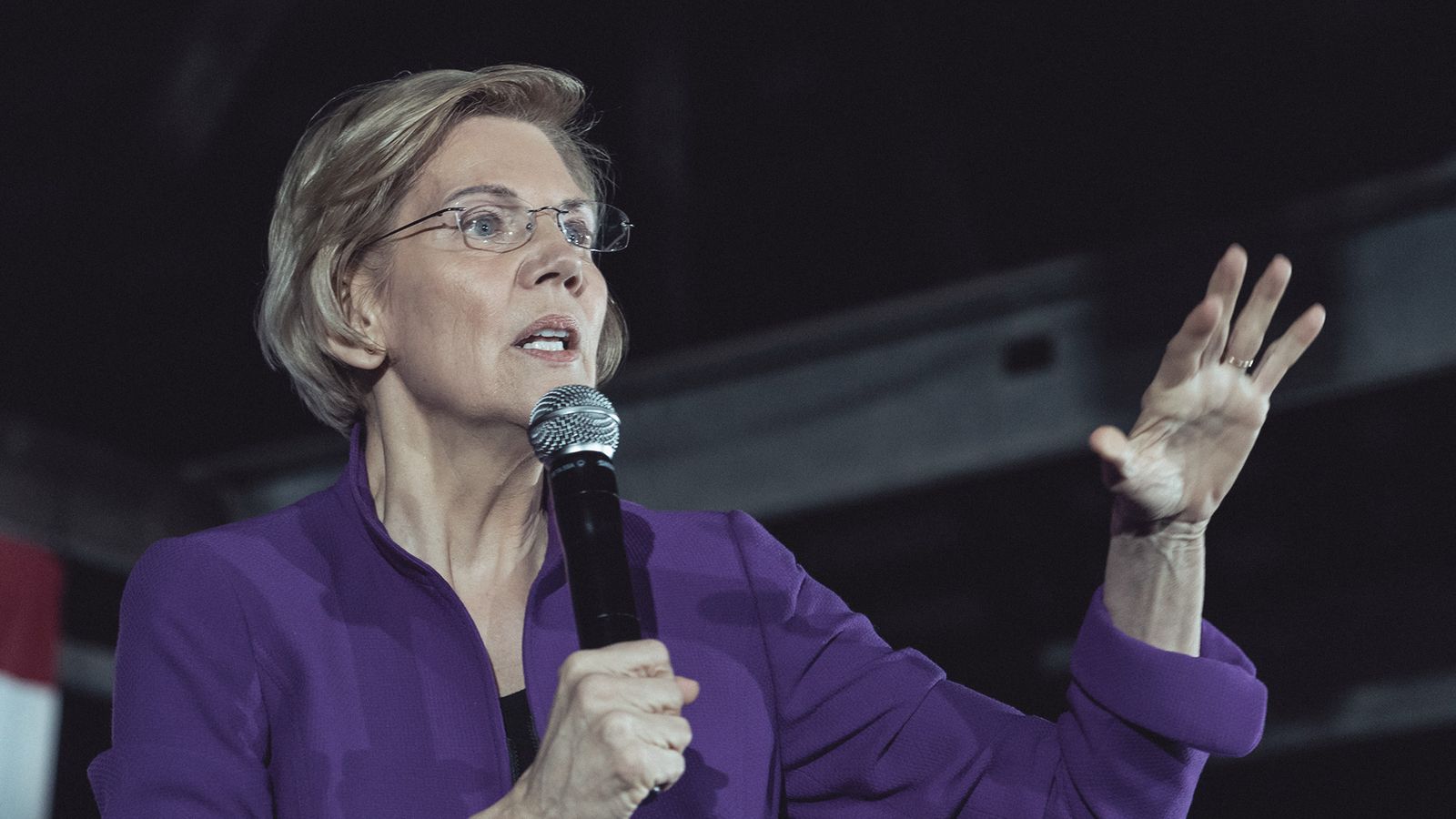
Ripple’s Alderoty doubts Elizabeth Warren will ‘set crypto policy in this country,’ backs durable agency rules
Ripple’s Alderoty backs durable agency rules as hopes for crypto market structure legislation fade.

XRP Has an Institutional Edge, But Garlinghouse Believes Wall Street Is Pulling Liquidity Away
The XRP price is struggling to take advantage of institutional credibility for the ledger. Ripple CEO Brad Garlinghouse has anothe...

Hashi Mainnet is Live With 20-Plus Partners, Bringing Bitcoin Finance to Sui at Scale
Grand Cayman, Cayman Islands, November 19th, 2026, Chainwire Anchorage Digital, Fluid, HoneyB, and Upshift support institutional a...