Thailand Proposes Daily Stablecoin Transfer Cap for Regulated Platforms
Thailand's Securities and Exchange Commission is seeking feedback on restrictions that could significantly change how customers move stablecoins through regulated digital-asset operators. The proposed rules would general...
High signal
Fresh in the current trading session. The story has cross-source confirmation.
Thailand's Securities and Exchange Commission is seeking feedback on restrictions that could significantly change how customers move stablecoins through regulated digital-asset operators. The proposed rules would generally limit eligible transfers into and out of a customer's account to 5 million baht per day in each direction, while requiring wallets at both ends to belong to that customer.
This is a consultation, not a rule that has already taken effect. The details, exemptions and eventual text matter more than the headline dollar equivalent, especially for businesses using stablecoins for legitimate cross-border payments.
The regulator wants tighter control over transfer routesIn its November 12 announcement, the Thai SEC said the draft aims to reduce the risk that regulated crypto businesses facilitate money laundering, cybercrime or circumvention of cross-border transfer rules. The proposal would generally require stablecoins entering or leaving a customer's account at a digital-asset operator to come from, or go to, an account or wallet verified as belonging to that same person.
The draft also calls for controls aligned with the Travel Rule, screening for risky wallets and transaction monitoring. Those measures aim to improve traceability where a licensed intermediary is involved. They do not mean all movements of stablecoins across every blockchain would suddenly be visible to, or controlled by, one Thai exchange.
The 5 million baht cap has important exceptionsUnder the proposal, inbound and outbound transfers would each be limited separately to 5 million baht per customer, per day, with each operator. The SEC's announcement also describes exemptions, including qualifying transfers between the customer's own accounts at regulated operators, certain regulated businesses and approved liquidity-provision activities. The exact scope depends on the final regulation and whether participants satisfy the relevant requirements.
That nuance is easy to lose in a short headline. It would be inaccurate to say Thailand is proposing a universal daily blockchain transfer limit, or that every business must stop moving more than that amount under all circumstances. The consultation is specifically focused on activity conducted through supervised digital-asset operators.
Payment firms will focus on implementation detailsStablecoins have become useful tools for businesses moving money across borders, particularly where traditional transfers are expensive or slow. NewsBTC's report on Bitso Business's stablecoin payments shows the commercial use case behind this growth. For such companies, wallet verification and transfer limits create compliance work that must fit alongside existing customer checks.
The risk is that rules designed to catch illicit activity could also make ordinary, lawful operations cumbersome if identity matching is difficult or exceptions are unclear. The regulator, meanwhile, has a legitimate interest in ensuring supervised firms know who is using their systems. That tension is precisely what a public consultation is supposed to examine.
The consultation is still openThe SEC has invited feedback through November 26, 2026. Businesses should review the official draft rather than rely on simplified social-media summaries, particularly when deciding whether their specific transaction flows would be covered. The same distinction between technology and regulated access appears in NewsBTC's coverage of USDC on Solana through Samsung Wallet.
Thailand's proposal reflects a growing regulatory emphasis on the point where blockchain assets interact with licensed businesses. Whether the final rules strike the intended balance will depend on clear exemptions, workable verification and evidence that the controls reduce risk without unnecessarily obstructing legitimate payments.
Written by the News Desk and edited by Samuel Rae.
Why this matters
SEC is showing up inside the Stablecoins theme, so this story is worth tracking for follow-through rather than treating it as a one-off headline.
Original source
Read on NewsBTCSame story, other sources
Cross-source coverage
2 sources

Thailand SEC Proposes Stablecoin Rules With 5M Baht Daily Caps for Crypto Transfers
Key Takeaways: Thailand suggests that daily deposits and withdrawals for stablecoins should be...
Related market context
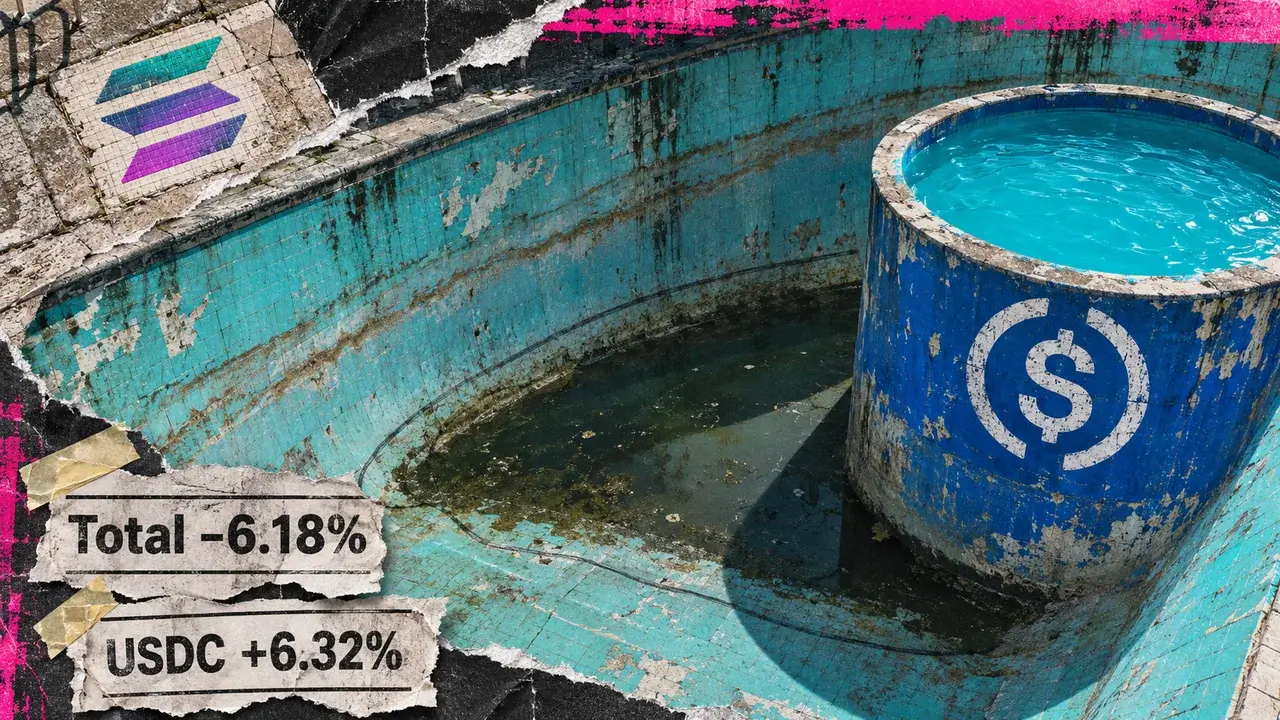
Solana’s stablecoin market shrinks $919 million as USDC grows
USDC's 6.32% 30-day gain cushions Solana's aggregate contraction as USDT and other large stablecoins decline. Read the full story...

Zelle demonstrates confidential $1.25 million stablecoin transfer on Solana
Zelle's demo on Solana could drive broader adoption of privacy tech in finance, balancing transparency with confidentiality for in...

Zelle taps Solana for stablecoin-based international expansion
Zelle plans to use Solana for its ZelleUSD stablecoin and international payments, with confidential transfers designed to hide pay...

Taiwan proposes stablecoin rules that put banks in the driver’s seat
Taiwan's stablecoin rules could centralize financial power, potentially limiting innovation but enhancing regulatory oversight and...
Boris Johnson maintains Bitcoin skepticism at Solana’s Breakpoint conference
Johnson's skepticism highlights ongoing regulatory challenges and may influence institutional hesitance towards decentralized fina...

Zelle picks Solana for ZelleUSD stablecoin and international payments push
Zelle's move to Solana for stablecoin payments could revolutionize cross-border transactions, but regulatory and scalability chall...