These Triggers Accelerate The De-Dollarization Trend
The de-dollarization trend continues these days. The macro guru Lyn Alden is addressing the issue, presenting the factors that are accelerating this. The de-dollarization trend continues Lyn Alden, who you probably know...
Archive context
Older archive item. Useful for background and entity history, but not a fresh market-moving signal.
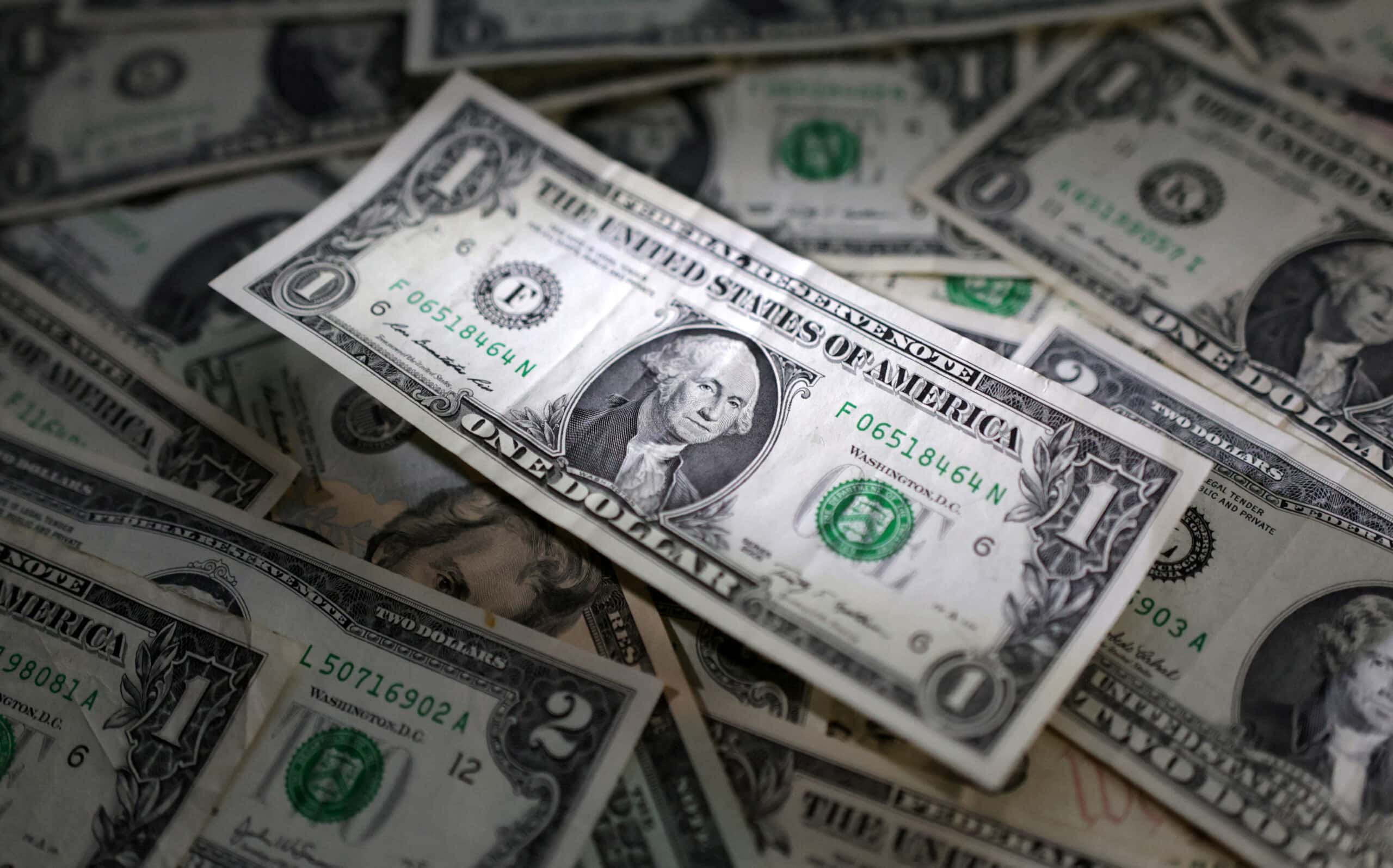
The de-dollarization trend continues these days. The macro guru Lyn Alden is addressing the issue, presenting the factors that are accelerating this.
The de-dollarization trend continuesLyn Alden, who you probably know by now is an expert in macroeconomics, has identified two major factors that are accelerating the trend of de-dollarization.
During a recent appearance on The Jay Martin Show, Alden stated that the acceleration of de-dollarization is due to the loss of trust in US government bonds by other countries.
She said that she had recently learned from an expert in economics that the returns on US treasuries are currently lower than the rate of inflation. As a result, many countries have been seeking alternative investment opportunities.
“This past year you’ve seen a little more acceleration in de-dollarization, and there are, I think, two big underlying foundations for that.”
She continued and said this:
“So number one is that ever since the global financial crisis and a few years after that, a number of countries decided that (US) treasuries are probably not going to be attractive. And they don’t want to finance the US government at negative real yields.”
She also stated the following:
“For much of the 2010 decade, for example, T-bills were yielding less than inflation. Longer-duration treasuries were yielding roughly in line with CPI (consumer price index)… And they were underperforming other assets like equities and real estate and things like that.
So a lot of these governments said, ‘We don’t really want to facilitate that.’”
BTC and financial markets to see an explosionAccording to Arthur Hayes, the founder of BitMEX, the macroeconomic conditions seem to be turning in favor of Bitcoin (BTC).
During a recent interview on the “What Bitcoin Did” podcast, a seasoned crypto expert shared their belief that the government’s response to a debt deadline crisis typically involves waiting until the eleventh hour before raising the limit.
Why this matters
This cryptocurrency story adds another data point to the current market tape and is useful when read alongside nearby source coverage.
Original source
Read on CryptoGazetteRelated market context
US government moves $470 million in seized crypto to Coinbase wallets, raising Bitcoin sale questions
The US government moved about $470 million in seized crypto to likely Coinbase Prime addresses, according to Arkham, reviving ques...

US government moves another $1 billion in Bitcoin as BTC slides $4,000
US government-linked wallets moved over $1 billion in Bitcoin on Oct. 8 as BTC prices fell and more coins reached Coinbase Prime....

Gate Partners with Visa to Launch Crypto-linked Card Across 40+ Countries and Territories
Gate has announced a collaboration with Visa to launch a crypto-linked card, further expanding the use of digital assets in everyd...
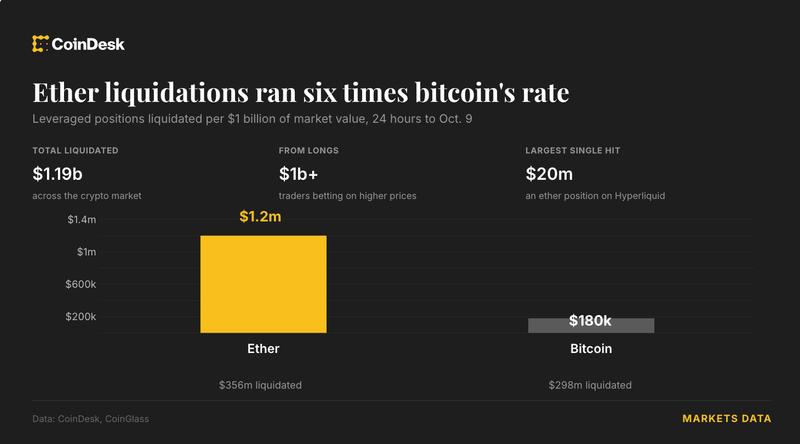
Ether bets were wiped out at six times bitcoin’s rate in crypto’s $1 billion flush
About $356 million in ETH positions were liquidated over 24 hours, more than bitcoin despite ether’s market value being less than...

AI may be keeping Bitcoin’s biggest macro headwind alive after the Fed stops hiking
Bitcoin faces a new macro headwind from the artificial-intelligence boom as massive infrastructure spending competes for long-term...

US Government Shifts $1 Billion in Bitcoin, $94 Million in Tether
The U.S. government’s cryptocurrency shuffle isn’t over. Following two days of bitcoin transfers totaling $770 million, federal wa...