US Treasury Delivers Crypto Framework to Biden as Directed in Executive Order
The U.S. Treasury Department has delivered a framework for crypto assets to President Joe Biden, fulfilling its obligation as directed in the executive order on crypto that the president issued in March. U.S. Treasury Se...
Archive context
Older archive item. Useful for background and entity history, but not a fresh market-moving signal.
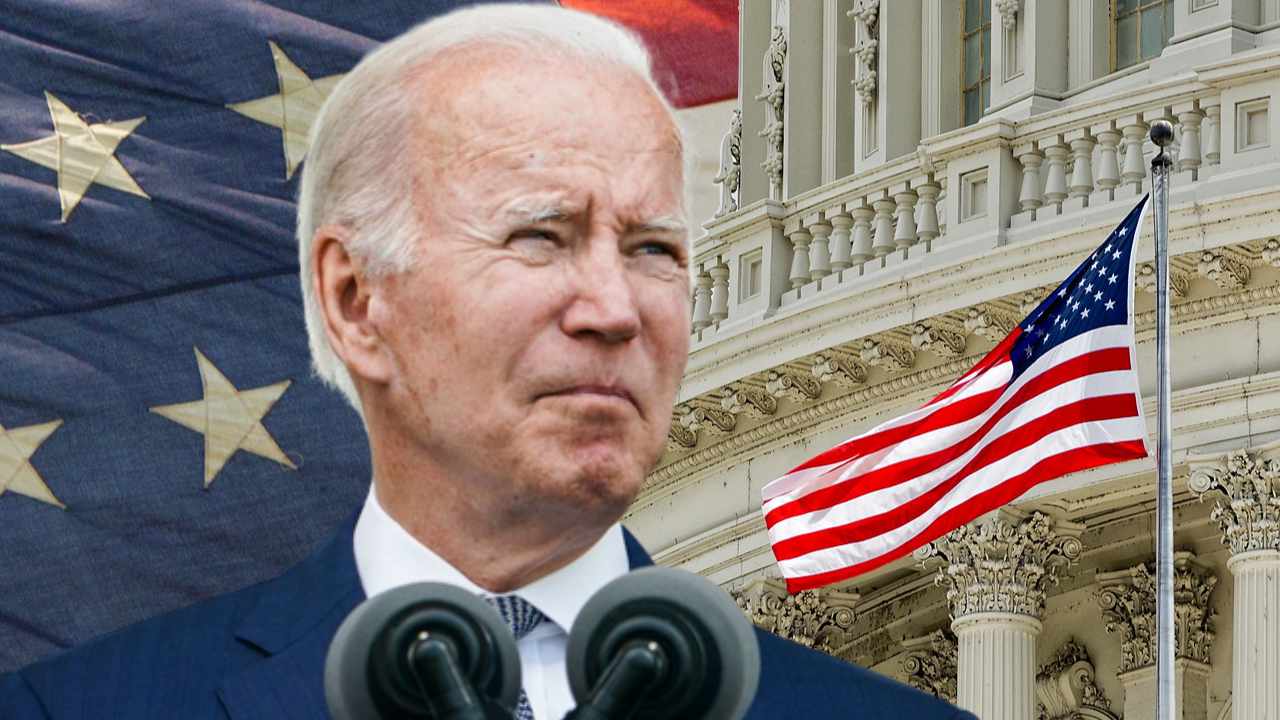
The U.S. Treasury Department has delivered a framework for crypto assets to President Joe Biden, fulfilling its obligation as directed in the executive order on crypto that the president issued in March.
U.S. Treasury Secretary Delivers Crypto Framework to BidenThe U.S. Department of the Treasury published a fact sheet titled “Framework for International Engagement on Digital Assets” Thursday.
It states that the Secretary of the Treasury has delivered to President Joe Biden “a framework for interagency engagement with foreign counterparts and in international fora as directed in the President’s executive order on Ensuring Responsible Development of Digital Assets.” Biden’s executive order on crypto regulation was issued on March 9.
The framework calls for the U.S. and its foreign allies to collaborate to create international standards for regulating crypto assets. The Treasury described:
Uneven regulation, supervision, and compliance across jurisdictions creates opportunities for arbitrage and raises risks to financial stability and the protection of consumers, investors, businesses, and markets.
“Inadequate anti-money laundering and combating the financing of terrorism (AML/CFT) regulation, supervision, and enforcement by other countries challenges the ability of the United States to investigate illicit digital asset transaction flows that frequently jump overseas, as is often the case in ransomware payments and other cybercrime-related money laundering,” the department added.
The Treasury further explained that the U.S. must work with international partners and be a leader in the discussions on central bank digital currencies (CBDCs) and digital payment architectures.
“Such international work should continue to address the full spectrum of issues and challenges raised by digital assets, including financial stability; consumer and investor protection, and business risks; and money laundering, terrorist financing, proliferation financing, sanctions evasion, and other illicit activities,” the Treasury noted.
The fact sheet outlines key international engagements for the U.S., including with the G7 and G20 countries, the Financial Stability Board (FSB), the Financial Action Task Force (FATF), the Egmont Group of Financial Intelligence Units (FIUs), the Organization for Economic Cooperation and Development (OECD), the International Monetary Fund (IMF), The World Bank, and other Multilateral Development Banks (MDBs).
“What’s outlined in the framework is intended to ensure that, with respect to the development of digital assets, America’s core democratic values are respected; consumers, investors, and businesses are protected; appropriate global financial system connectivity and platform and architecture interoperability are preserved; and the safety and soundness of the global financial system and international monetary system are maintained,” the Treasury detailed.
What do you think about the framework for international engagement on crypto assets developed by the U.S. Treasury Department? Let us know in the comments section below.
Why this matters
This cryptocurrency story adds another data point to the current market tape and is useful when read alongside nearby source coverage.
Original source
Read on Bitcoin NewsRelated market context

Digital Credit: Comparing The Six Bitcoin Preferred Stocks
Bitcoin Magazine Digital Credit: Comparing The Six Bitcoin Preferred Stocks Digital credit is an emerging asset class that transfo...

MSCI Cuts Strategy From Global Indexes, Putting Bitcoin Treasury Model Under Pressure
Key Takeaways: Under new classification rules instituted by MSCI, Strategy will be phased out of the global equity index. The chan...

AI Tops Fed Survey of Financial Risks—Why Crypto Investors Should Pay Attention
AI has become the most frequently cited financial-stability risk in a survey published with the Federal Reserve’s latest report, b...

CFTC sues Louisiana to block order shutting out prediction markets
The lawsuit highlights the ongoing tension between federal and state authority over financial markets, potentially impacting regul...
President Trump Taps Two Democrats in Bipartisan Slate of SEC and CFTC Nominees as Both Agencies Run Short-Handed
Bitcoin Magazine President Trump Taps Two Democrats in Bipartisan Slate of SEC and CFTC Nominees as Both Agencies Run Short-Handed...

Ethereum Dancing on Two Fronts as Quantum Upgrade Advances and Treasury Leverage Bites
Ethereum developers want to upgrade the network to be quantum-ready by 2027, potentially accelerating one of its biggest security...