Virtual Asset Management Ordinance Draft: Taiwan's Path to Crypto Regulation
Taiwan has taken its initial steps towards the regulation of digital assets by presenting a crypto bill to the Legislative Yuan for its first reading. The proposed legislation, known as the Virtual Asset Management Ordin...
Archive context
Older archive item. Useful for background and entity history, but not a fresh market-moving signal.

Taiwan has taken its initial steps towards the regulation of digital assets by presenting a crypto bill to the Legislative Yuan for its first reading. The proposed legislation, known as the Virtual Asset Management Ordinance Draft bill, aims to define virtual assets, establish operational standards for asset operators, ensure customer protection, and mandate membership in industry associations and regulatory permissions.
Regulatory Drive in Taiwan: Fueled by FTX's Collapse
Taiwan has adopted a relatively hands-off approach to the cryptocurrency sector, primarily regulating it under existing know-your-customer and anti-money laundering laws. However, the regulatory process gained momentum following the collapse of the crypto exchange FTX in November.
The exchange garnered popularity among Taiwanese users due to its attractive US dollar interest rates compared to local banks. Unlike cryptocurrency regulations in neighboring Hong Kong, the new bill doesn't take a firm stance on derivatives or stablecoins.
It recognizes that derivatives associated with virtual assets possess unique characteristics, with specific mention of perpetual contracts. This acknowledgement opens the possibility of crypto derivative-specific regulations in future drafts of the legislation. Importantly, the bill doesn't restrict the trading of virtual assets to professional investors.
Diverging from Japan, which mandates the use of custodians for locally licensed exchanges, the draft bill in Taiwan requires the separation of customer assets from business funds. It doesn't explicitly require the use of third-party custodians.
Under the proposed legislation, operators of cryptocurrency exchanges will be obliged to commission periodic reports from accountants concerning their operations and the assets they oversee. Moreover, they will be required to permit regulatory bodies, such as the Financial Supervisory Commission (FSC), to conduct regular inspections of their internal control and audit systems.
While this initial draft of the bill doesn't specifically mention "Proof of Reserves", it does state that the regulator will establish standards for asset ratios in consultation with the industry and expects licensed exchanges to adhere to these standards.
Stakeholders from Taiwan's cryptocurrency industry have expressed their support for formal regulatory oversight. Wayne Huang, the Co-Founder and CEO of Taipei-based fintech XREX, emphasized the need for collaboration between the virtual asset service provider industry and the FSC to define regulatory operations.
A second reading of the bill has yet to be scheduled, with the expectation that the FSC will provide its input and submissions to the draft before further legislative action.
Regulatory Measures Target Unregistered Foreign Crypto Exchanges
In an earlier report by Finance Magnates, it was stated that Taiwan's Financial Supervisory Commission had introduced strict regulations, effectively prohibiting unregistered foreign cryptocurrency exchanges from operating in the country.
These measures are part of Taiwan's commitment to enhance investor protection and responsible practices in the crypto industry. The FSC's guidelines target virtual asset service providers (VASPs) operating in Taiwan, requiring the segregation of treasury assets from customer assets and mechanisms for listing and delisting crypto assets.
Foreign VASPs are barred from offering services in Taiwan without regulatory approval. The FSC also encourages self-regulation within the crypto industry and is considering creating a dedicated bureau for crypto-related matters.
This article was written by Tareq Sikder at www.financemagnates.com.Why this matters
This cryptocurrency story adds another data point to the current market tape and is useful when read alongside nearby source coverage.
Original source
Read on Finance MagnatesRelated market context
XRPL’s $1.34 billion stablecoin base doesn’t tell us how much XRP users need
Tracked stablecoins on the XRP Ledger totaled $1.338 billion on Oct. 7. For XRP holders, the critical question is how much activit...
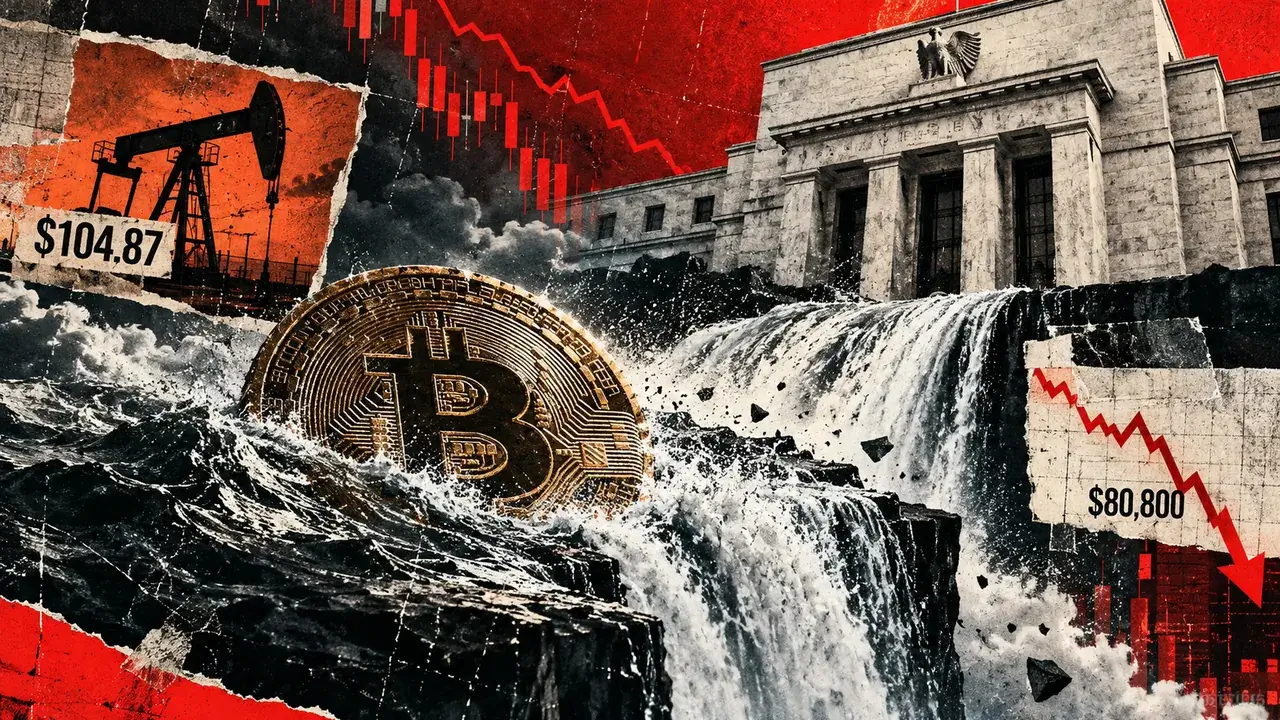
Bitcoin crashes through $81,000 buy wall as $1 billion crypto liquidation bloodbath unfolds
Bitcoin registered an intraday low near $80,000 as a cryptocurrency selloff triggered over $1 billion in liquidations, overwhelmin...

Why XRP’s 63 billion circulating tokens don’t tell buyers what’s for sale
For XRP buyers, available supply depends on the price they are willing to pay. The token's roughly 63.09 billion circulating suppl...

Polygon Opens Its Money Stack To TRON’s $94 Billion USDT Market
TL;DR: Polygon Open Money Stack now supports TRON, giving payment and fintech businesses a single infrastructure layer for bank tr...
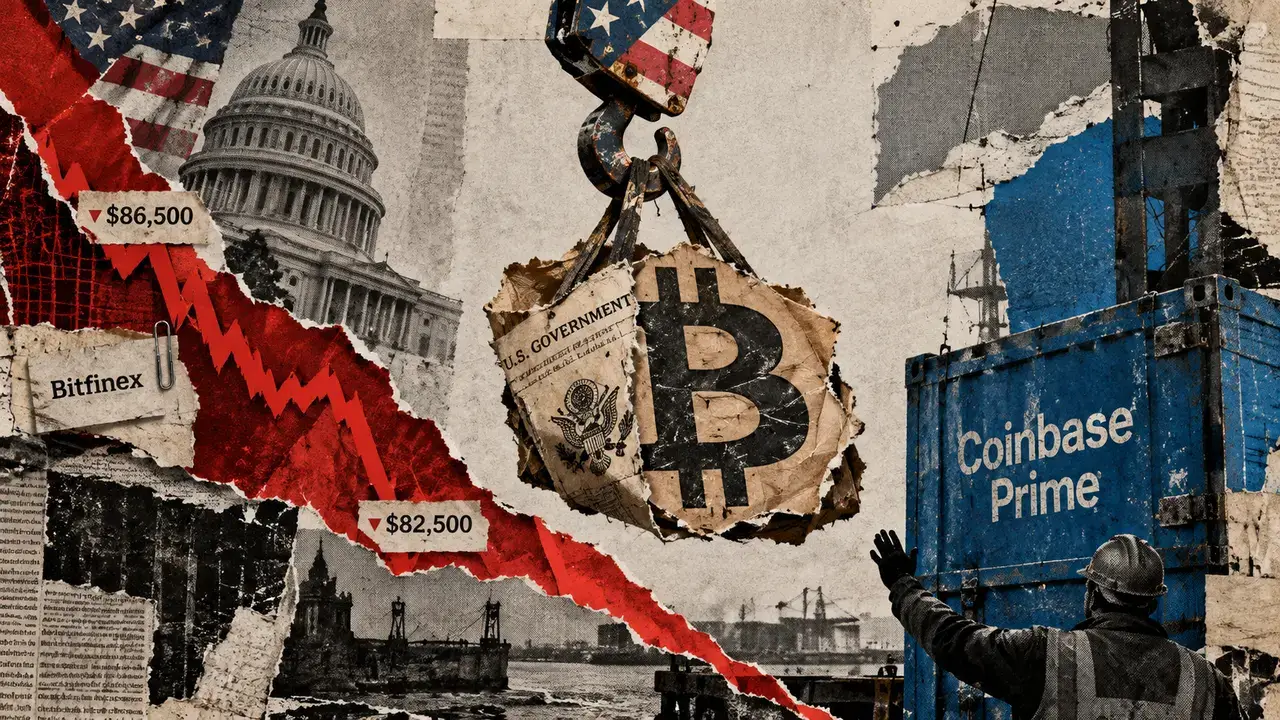
US government moves another $1 billion in Bitcoin as BTC slides $4,000
US government-linked wallets moved over $1 billion in Bitcoin on Oct. 8 as BTC prices fell and more coins reached Coinbase Prime....

US government moves $1.01 billion in Bitcoin from Bitfinex hack wallet
The transfer suggests a strategic shift in government crypto asset management, potentially impacting market dynamics and regulator...