Ethereum's L2 approach equals many high-throughput chains — Avail exec
Ethereum's focus on scaling through many layer-2 networks, each with its own transaction processing speed and parameters, potentially gives the network an unlimited number of unique high-throughput chains, according to A...
Archive context
Older archive item. Useful for background and entity history, but not a fresh market-moving signal.
Ethereum's focus on scaling through many layer-2 networks, each with its own transaction processing speed and parameters, potentially gives the network an unlimited number of unique high-throughput chains, according to Anurag Arjun, co-founder of Avail, a unified chain abstraction solution.
In an interview with Cointelegraph, Arjun acknowledged that Ethereum and high-throughput competitors with monolithic architecture are fundamentally different products. However, Ethereum's choice to scale through a plethora of L2 solutions gives it an overlooked quality:
"The under-appreciated beauty of this rollup-centric roadmap architecture is that it allows multiple teams to experiment with different execution environments and different block times."This allows a diverse set of high-throughput sidechains to appear rather than just one singular architecture on any monolithic layer-1s, the executive added. However, without true interoperability, switching between L2s will remain as complex as bridging assets between different blockchain ecosystems altogether, Arjun warned.
An overview of Ethereum’s layer-2 ecosystem. Source: L2BeatThe Avail co-founder's perspective runs contrary to the many critics of Ethereum's L2-focused approach, who say that the network's scaling solutions silo liquidity and are ultimately corrosive to the base layer. Ethereum's critics argue that L2s are one of the primary causes of Ether's (ETH) poor price performance in the last year.
Related: Vitalik Buterin proposes swapping EVM language for RISC-V
Ethereum fees drop to five-year lowsFees on the Ethereum layer-1 network dropped to five-year lows in April 2025, with the average transaction fee sitting at around $0.16.
According to Brian Quinlivan, the marketing director for the Santiment onchain analytics firm, the reduction in fees signals decreased demand for the base layer and waning investor interest in Ethereum.
Ethereum network daily transaction fees dropped significantly in Q1 2025. Source: Token Terminal"This large reduction in fees coincides with fewer people sending ETH and interacting with smart contracts," Quinlivan wrote in an April 16 blog post.
These smart contract interactions include transactions across decentralized finance, digital collectibles like non-fungible tokens (NFTs), and other digital asset sectors, the Santiment executive added.
Ether's declining base layer transaction fees and reduced retail interest also caused many institutional investors to slash their Ether allocations and issue revised price outlooks for the second-largest digital asset by market capitalization.
Magazine: Make Ethereum feel like Ethereum again: Based rollups explained
Why this matters
This ethereum story adds another data point to the current market tape and is useful when read alongside nearby source coverage.
Original source
Read on CointelegraphRelated market context

Starknet considers leaving Ethereum for a quantum-resistant Layer 1
Starknet's STRK token more than doubled over seven days while developers considered leaving Ethereum to build an independent Layer...

AI Could Weaken Ethereum Security as Cryptographic Risks Grow, Vitalik Buterin Warns
Buterin urged developers to prepare for potential AI vulnerabilities in both conventional and quantum-resistant cryptography, whil...

SUI Crypto Up +2% Following $30M DATA Network Investment
SUI crypto trades at $1.12, up +2.2% over 24 hours, as traders weigh a sharp recent rebound against overhead resistance. The Sui F...

STRK rallies as Starknet weighs a move from Ethereum layer 2 to its own layer 1
Starknet's potential shift to layer 1 could redefine blockchain security priorities, challenging Ethereum's timeline and reshaping...
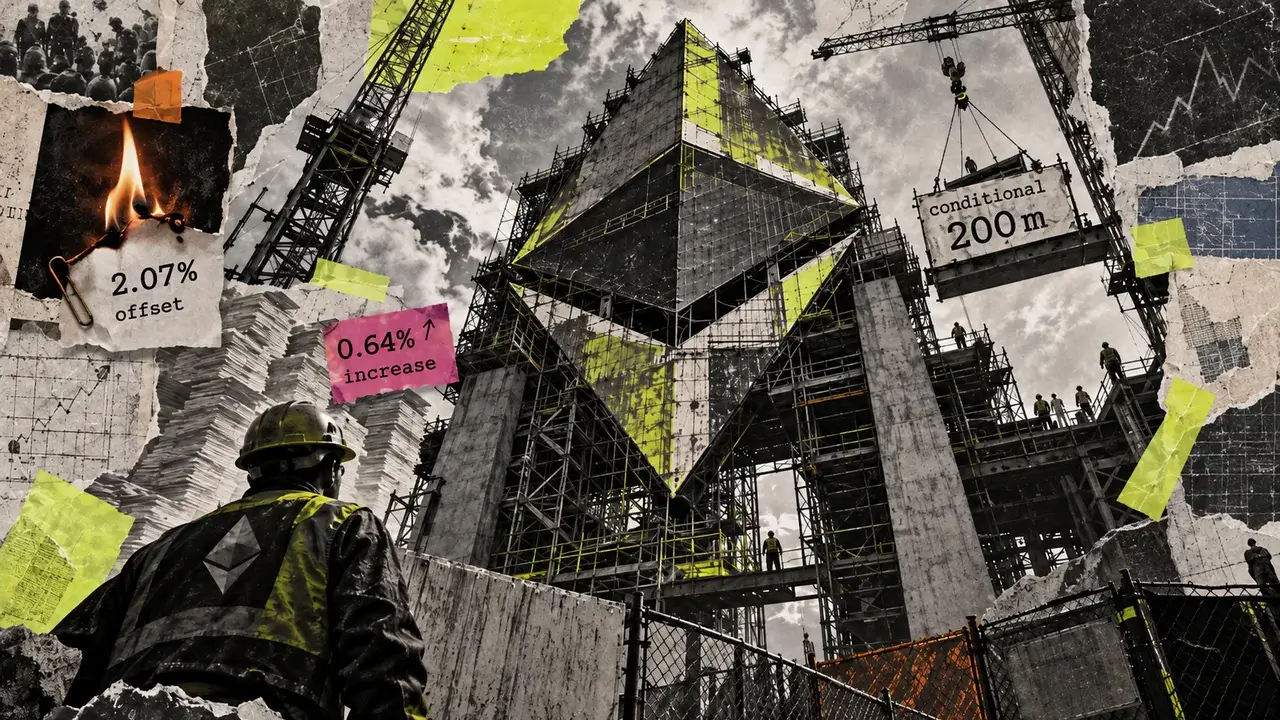
ETH fee burns cover just 2% of new coins printed in 2026
Ethereum's transaction fees have burned enough ETH to offset just 2.07% of the new coins issued in 2026, according to an Oct. 9 su...

Stealing $1.5B in crypto is easy, cashing out is the trap
North Korean hackers stole around $1.5 billion from Bybit in February 2025. While the hack itself has been widely covered and anal...