Ethereum’s Pivot to Proof-of-Stake Consensus Worries Users About the Possibility of Protocol Level Censorship
The upcoming consensus change that Ethereum, the second largest cryptocurrency by market cap, is planning to execute in September has worried many users about the possibility of censorship happening at a protocol level....
Archive context
Older archive item. Useful for background and entity history, but not a fresh market-moving signal.

The upcoming consensus change that Ethereum, the second largest cryptocurrency by market cap, is planning to execute in September has worried many users about the possibility of censorship happening at a protocol level. This means that, even by interacting directly with smart contracts, blacklisted addresses would not be able to transact or operate in the base layer.
Incoming Merge Event Triggers Worries in Crypto CirclesThe Merge, Ethereum’s migration from a proof-of-work (PoW) to a proof-of-stake (PoS) consensus algorithm has raised concerns about the future of the chain when it comes to censorship. After the addresses of the smart contracts of Tornado Cash, a privacy-centered mixing protocol, were sanctioned and blacklisted by the U.S. Treasury’s Office of Foreign Assets Control, the privacy and censorship-resistant character of Ethereum has been in the spotlight.
Gabriel Shapiro, the general counselor at Delphi Digital, believes that big validators of Ethereum will try to push for a measure that brings censorship to a protocol level. This would allow them to operate in compliance with rules, and also avoid being penalized for not including illegal transactions. About this issue, he stated these entities “can’t self-help by merely avoiding facilitation of blocks containing U.S.-sanctioned transactions, because under certain conditions they might be dramatically slashed from doing so.”
On the other hand, Discusfish, co-founder of F2pool, an ethereum and bitcoin mining pool operation, stated that proof-of-work (PoW) consensus assets were more capable to deal with regulatory pressure than their proof-of-stake-based counterparts. He explained:
In the discussion about PoS and PoW under regulatory pressure these days, there is one key point to pay attention to: Whether the block producer can remain anonymous and package some transactions that conform to the consensus on the chain (which may contain some sensitive transactions). PoW can currently do it, PoS currently has certain difficulties because of the need to stake the assets on the chain.
Different Points of ViewHowever, not everyone shares this train of thought. In fact, there are some that think that proof-of-stake consensus-based assets, such as Ethereum after The Merge happens, are better prepared to face a censorship attack coming from government regulators. Justin Bons, founder and CIO of Cybercapital, is one of them.
Bons argues that while an attack of this nature would be very difficult to pull off against Bitcoin and Ethereum, the complexity and the physical presence that PoW-based chains need to operate would make them easier to target than proof-of-stake assets. That’s because PoS can be operated with low-power equipment from any place in the world.
Finally, Bons believes that regulators are not out to hurt cryptocurrencies yet and that “a sane middle ground must be found which preserves the credible neutrality of blockchains, ensuring privacy for individuals and compliance for companies.”
What do you think about the possibility of censorship happening in Ethereum at a protocol level? Tell us in the comments section below.
Why this matters
This ethereum story adds another data point to the current market tape and is useful when read alongside nearby source coverage.
Original source
Read on Bitcoin NewsRelated market context

AI Could Weaken Ethereum Security as Cryptographic Risks Grow, Vitalik Buterin Warns
Buterin urged developers to prepare for potential AI vulnerabilities in both conventional and quantum-resistant cryptography, whil...
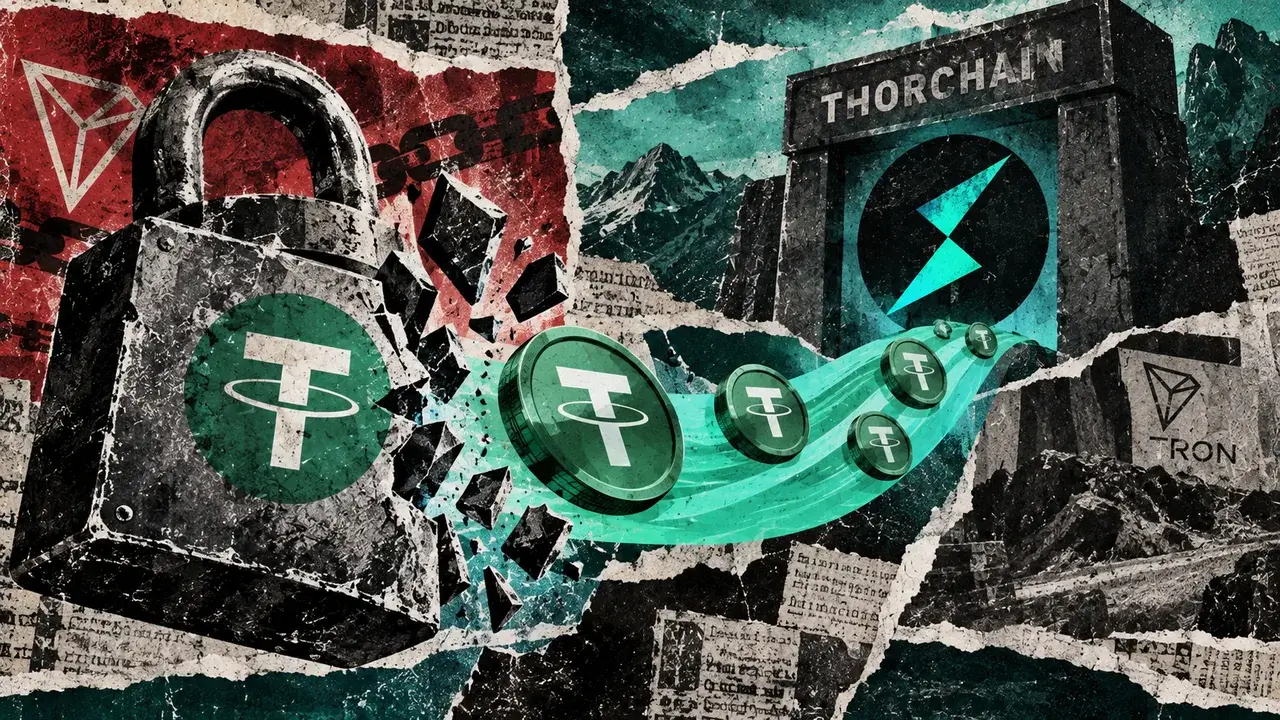
Tether freezes $1.4M in TRON vaults and THORChain stalls
THORChain's TRON operations were interrupted on Oct. 9 after a USDT vault blocklist, according to reports by its co-founder Chad B...
Tether Freezes $1.45M in THORChain USDT Vaults, Then Reverses Blacklist Hours Later
Key Takeaways: The amount of about $1.45 million in USDT was temporarily frozen in THORChain vault addresses. According to THORCha...
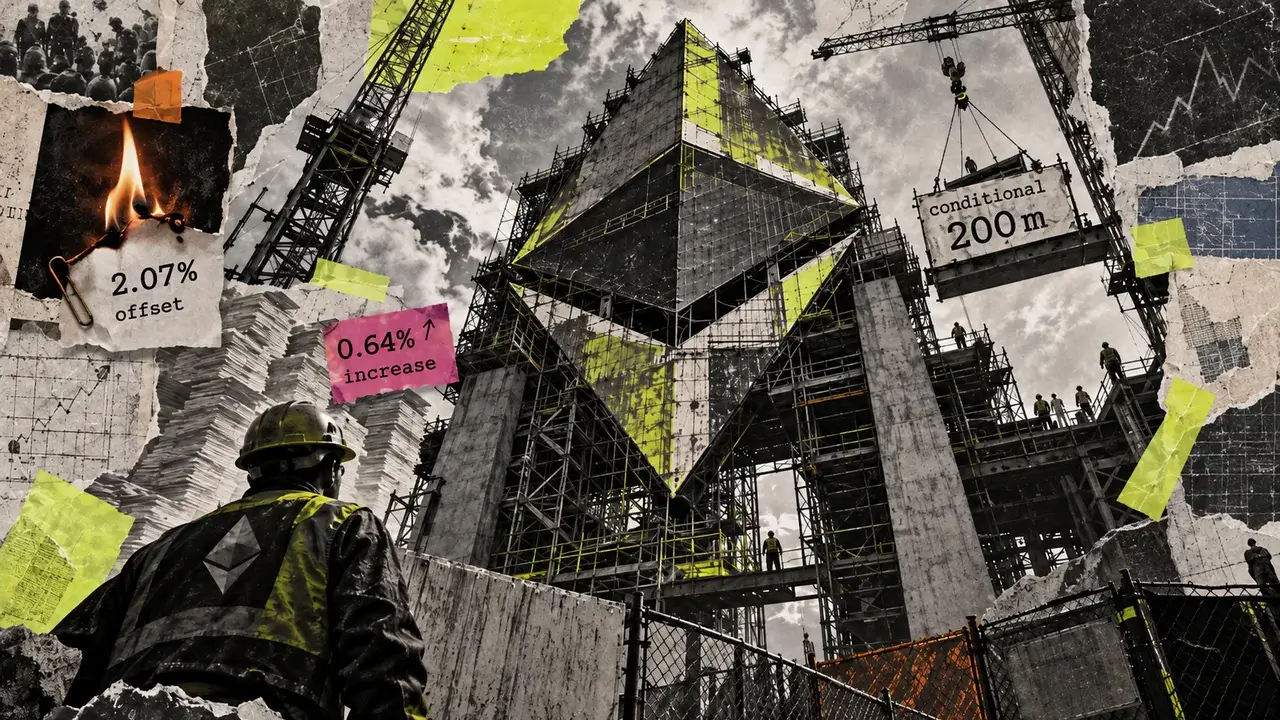
ETH fee burns cover just 2% of new coins printed in 2026
Ethereum's transaction fees have burned enough ETH to offset just 2.07% of the new coins issued in 2026, according to an Oct. 9 su...

OpenAI, Google and Meta battle for AI internet domains as crypto firms target .bitcoin and .wallet
OpenAI, Google, and Meta are competing for AI-related internet domains as cryptocurrency firms pursue their own digital naming rig...
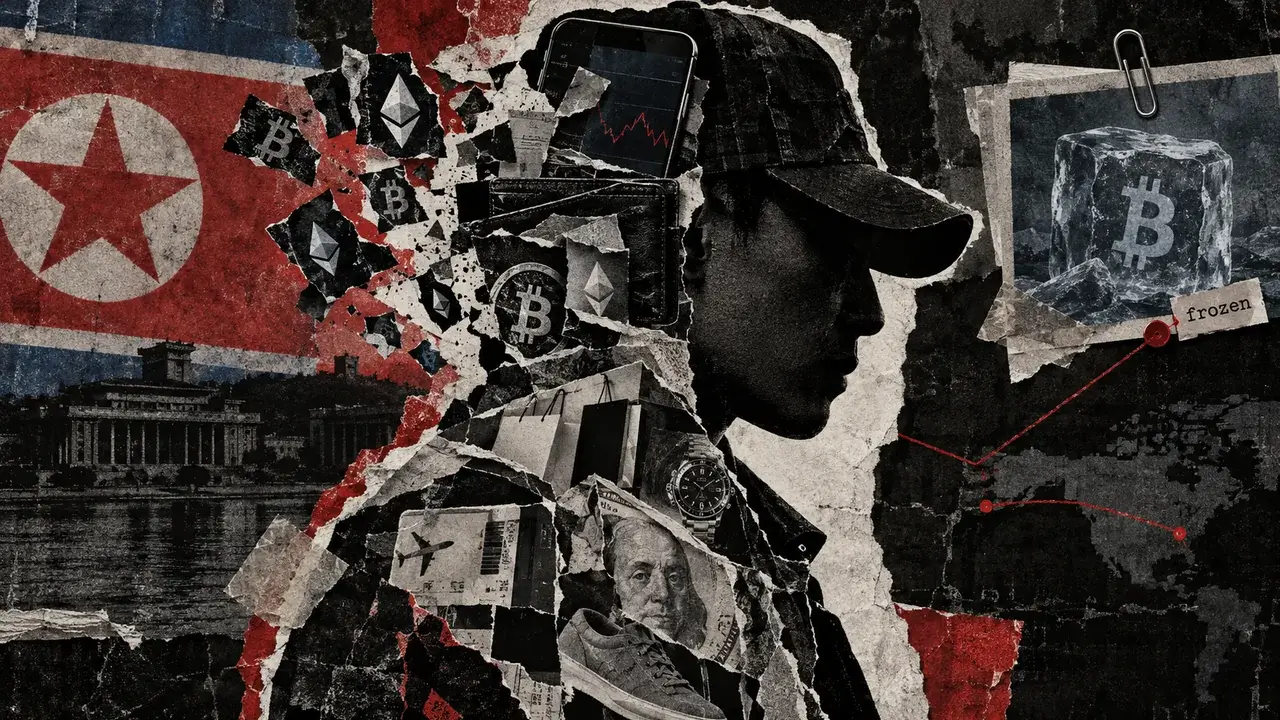
Stealing $1.5B in crypto is easy, cashing out is the trap
North Korean hackers stole around $1.5 billion from Bybit in February 2025. While the hack itself has been widely covered and anal...