Fidelity Unveils “FIDD” Stablecoin, Entering the Ethereum Ecosystem
Key Takeaways: Fidelity Investments has officially announced the launch of the Fidelity Digital Dollar (FIDD), bringing its massive $6 trillion balance sheet into the stablecoin market. Issued by its OCC-chartered nation...
Archive context
Older archive item. Useful for background and entity history, but not a fresh market-moving signal.

Key Takeaways:
- Fidelity Investments has officially announced the launch of the Fidelity Digital Dollar (FIDD), bringing its massive $6 trillion balance sheet into the stablecoin market.
- Issued by its OCC-chartered national trust bank, FIDD is a 1:1 USD-backed token launching directly on the Ethereum mainnet.
- By leveraging its internal asset management arm for reserves, Fidelity poses the first existential threat to crypto-native incumbents like Tether and Circle.
Fidelity Investments, a titan of traditional finance with a client base of 50 million and nearly $6 trillion in assets under management, has ended years of speculation by officially entering the programmable money race. The firm announced today the imminent launch of the Fidelity Digital Dollar (FIDD), a move that fundamentally alters the hierarchy of the digital asset economy.
The “Fortress” Balance Sheet Comes On-ChainThe launch of FIDD introduces a new variable to the stablecoin equation: incumbent creditworthiness. While competitors like Circle (USDC) and Tether (USA₮) have spent years building trust through third-party attestations, Fidelity is leveraging decades of institutional reputation.
Crucially, the reserves backing FIDD will be managed by Fidelity Management & Research. As one of the largest holders of U.S. Treasuries in the world, Fidelity’s ability to manage high-quality liquid assets is undisputed. Mike O’Reilly, President of Fidelity Digital Assets, described this as the maturation of the asset class. “Stablecoins are foundational payment instruments,” O’Reilly remarked. “By marrying the speed of blockchain settlement with the safety of Fidelity’s reserve management, we are creating a treasury tool that institutions can trust implicitly.”
Validating Ethereum as the Global Settlement LayerPerhaps the most surprising aspect of the announcement is Fidelity’s choice of infrastructure. Rather than building a walled garden or a private permissioned ledger, Fidelity is launching FIDD on Ethereum.
This decision is a massive endorsement of Ethereum’s role as the inevitable settlement layer for global finance. It enables FIDD to be composable with the broader DeFi ecosystem, allowing for 24/7 real-time settlement and integration into third-party exchanges. Users will be able to access the token through Fidelity Crypto interfaces, Wealth Management accounts, and standard external wallets, effectively turning every Fidelity account into a Web3-compatible treasury.
The 2026 Stablecoin Oligopoly Shake-UpFidelity’s arrival complicates the battlefield for existing players. The market is already heating up with Ripple’s RLUSD targeting enterprise flows and Tether’s new onshore USA₮ courting US banks. However, Fidelity possesses a unique advantage: it is already the custodian for trillions of dollars of potential liquidity.
For years, the crypto industry has waited for “the institutions” to arrive. With FIDD, Fidelity is not just arriving; they are attempting to become the central bank of the crypto economy. By offering a product that boasts the speed of crypto with the safety of a legacy bank, Fidelity is betting that in the flight to quality, Wall Street will always choose one of its own.
Read More: Mega Crypto Shift? Fidelity Sells its Bitcoin Hoard without Fanfare
The post Fidelity Unveils “FIDD” Stablecoin, Entering the Ethereum Ecosystem appeared first on CryptoNinjas.
Why this matters
Ethereum is showing up inside the Stablecoins theme, so this story is worth tracking for follow-through rather than treating it as a one-off headline.
Original source
Read on CryptoNinjasRelated market context

Circle’s USDC overtakes Tether’s USDT in euro trading as MiCA rules reshape market
MiCA's regulatory framework reshapes the stablecoin market, favoring compliant tokens like USDC, impacting trading dynamics and li...

USDC overtakes USDT in euro stablecoin trading as EU rules reshape market: Kaiko
USDC’s share of euro stablecoin trading has climbed to 56% since January 2024, with deeper liquidity as exchanges restrict USDT un...

Bitget Wallet Gives Users USD and EUR Account Numbers That Convert Deposits to Stablecoins
Bitget Wallet, the self-custodial crypto wallet, is giving its users personal USD and EUR account numbers that can take in bank tr...
Robinhood adopts Ripple’s RLUSD stablecoin, boosting institutional operations
Robinhood's adoption of RLUSD may drive institutional interest, potentially boosting Ripple's ecosystem and influencing future mar...
Robinhood adopts Ripple’s RLUSD stablecoin, expands institutional services
Robinhood's integration of Ripple's RLUSD stablecoin may boost institutional confidence and demand for XRP, impacting market dynam...
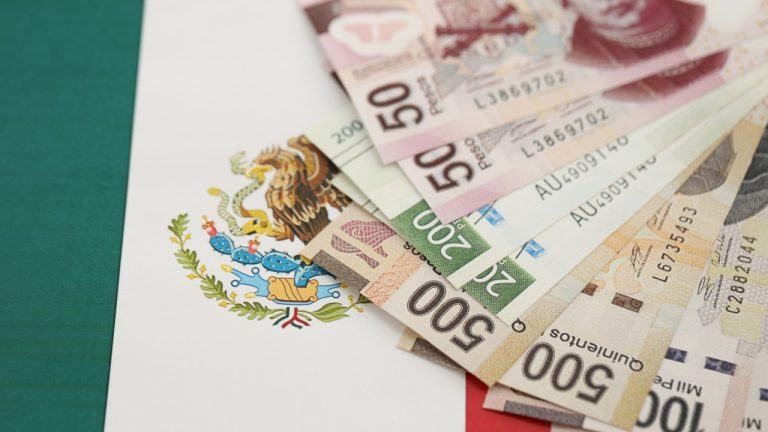
Mexican Peso Stablecoin Gains Anchorage Custody on Ethereum and Beyond
Anchorage Digital Bank has expanded its partnership with the Latin American financial services and cryptocurrency platform Bitso,...