The Ethereum Altair Upgrade Is Next Week. Here's What's in It
It's been fewer than three months since the Ethereum blockchain underwent a massive network upgrade that changed how miners are paid. Now, the blockchain's core developers are embarking on another update, Altair, set to...
Archive context
Older archive item. Useful for background and entity history, but not a fresh market-moving signal.
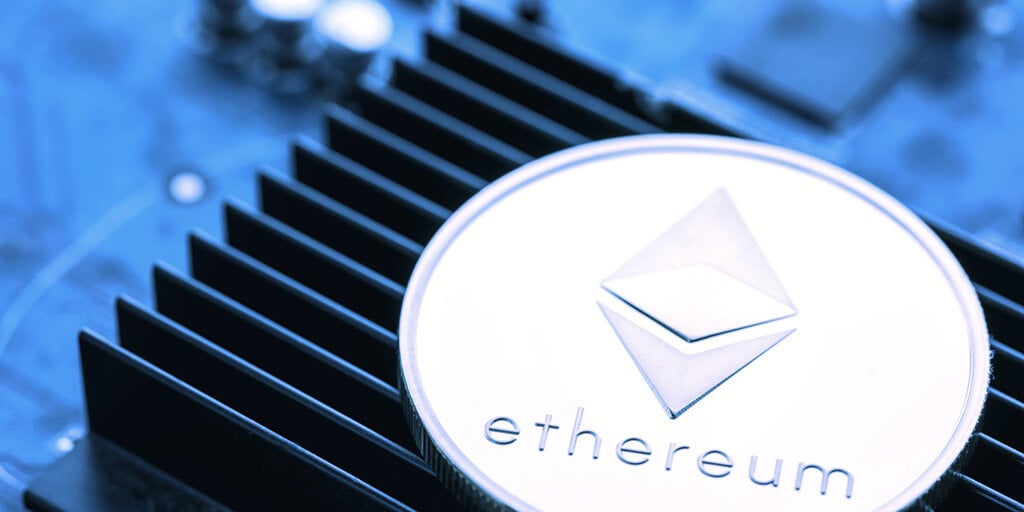
It's been fewer than three months since the Ethereum blockchain underwent a massive network upgrade that changed how miners are paid. Now, the blockchain's core developers are embarking on another update, Altair, set to go into effect on Wednesday, October 27.
Altair is the first time the beacon chain, which is helping transition the network away from proof of work, is being upgraded on the main network. And according to Pooja Ranjan, who heads up a decentralized group of project managers known as the Ethereum Cat Herders, this might be "the only upgrade to the beacon chain before Ethereum switches to proof of stake."
The beacon chain, which went live in December of last year, is a proof-of-stake chain running on mainnet parallel to the proof-of-work chain. It's designed to do a few things. First, it introduces staking to the Ethereum ecosystem. Currently, the Ethereum blockchain uses "miners" to process transactions; each miner uses specialized hardware to compete to be the first one to solve a cryptographic puzzle. Staking does away with that, ensuring decentralization and security by instead having people lock up some of their ETH into the software. For their sacrifice, they become eligible for rewards in the form of more ETH.
It also prepares the mainnet for "shard chains" which will make transactions on the oft-congested network faster by creating 64 blockchains that work in harmony. This feature, which will make so-called "Ethereum 2.0" fully functional, is expected at some point next year, according to documentation from the Ethereum Foundation.
For now, the beacon chain allows people to stake ETH but not withdraw it. "After the merge, there will be a complete switch of consensus mechanism from 'proof of work' to 'proof of stake,'" said Ranjan. "With a later upgrade in 2022, users may be able to withdraw funds."
And while this upgrade isn't a merge, it's nonetheless crucial for those running validator nodes.
According to Tim Beiko, who coordinates the work of Ethereum core developers, Altair has three main benefits. First, after the upgrade, developers will be able to build light clients on the beacon chain. A light client is less bulky than full node software for validating blocks and the transactions in them; it doesn't need to constantly sync with the full blockchain, making it ideal for people who need an easier way to interact with the network.
Ethereum Blockchain Splits as Software Bug Affects More Than Half the NetworkMoreover, said Beiko, "it raises inactivity+slashing penalties to their 'true' level." Stakers can't just sit back and earn a yield. They need to keep their nodes online and updated to the latest software. If they don't, they can receive penalties. Said Beiko, "They had been lowered at launch to be more lenient towards early stakers." Now, those that don't do their job can get their stake slashed, meaning they lose a portion of their ETH.
Finally, it's just a chance to make sure the network can be upgraded on the beacon chain without a hitch. "We want to make sure it works smoothly before the merge," said Beiko.
In the meantime, it's time for people to upgrade their nodes. Danny Ryan, who's coordinating the move to Ethereum 2.0, told Decrypt around half of people have already updated their node, a process that took him about 10 minutes. "I'm confident we'll get quite a bit of upgrading this weekend but we'll only know where we get to by Wednesday."
I just upgraded for Altair!
Have you?
It took me 8 minutes. Why wait?
— dannyryan (@dannyryan) October 22, 2021
If more nodes don't upgrade, it could, in an extreme circumstance, make the network vulnerable to a chain split. That's what happened in August when users of the Geth software client on Ethereum failed to upgrade their software after a bug was found.
The previous network upgrade, known as the London hard fork, introduced a raft of changes, most notably EIP-1559, the Ethereum improvement proposal that redirected transaction fees away from miners and into a wallet no one could access, effectively reducing ETH's rate of monetary expansion.
While Altair doesn't have anything so drastic and won't affect casual users of the network, it's another big step toward the future of Ethereum.
Why this matters
This ethereum story adds another data point to the current market tape and is useful when read alongside nearby source coverage.
Original source
Read on DecryptRelated market context

Ethereum Tests 200 Million Gas Limit On Sepolia As Glamsterdam Moves Forward
TL;DR: Ethereum’s Sepolia testnet is testing a 200 million block gas limit as part of work around the Glamsterdam upgrade. The exp...

Pudgy Penguins Team to Shutter Ethereum Layer 2 Network Abstract
Another Ethereum Layer 2 chain bites the dust: Just days after the creators of the once-hyped Blast said they’re shutting down the...
Pudgy Penguins’ parent firm shuts down its own blockchain
Pudgy Penguins’ parent company, Igloo Inc, announced the shutdown of Abstract Chain after “losing tens of millions of dollars over...

Plume Opens Onchain Access to Fidelity’s $28B Bond ETF Through New nBND Vault
Key Takeaways: Plume has introduced nBND, a tokenized vault with a primary asset of Fidelity Total Bond ETF (FBND). FBND is managi...
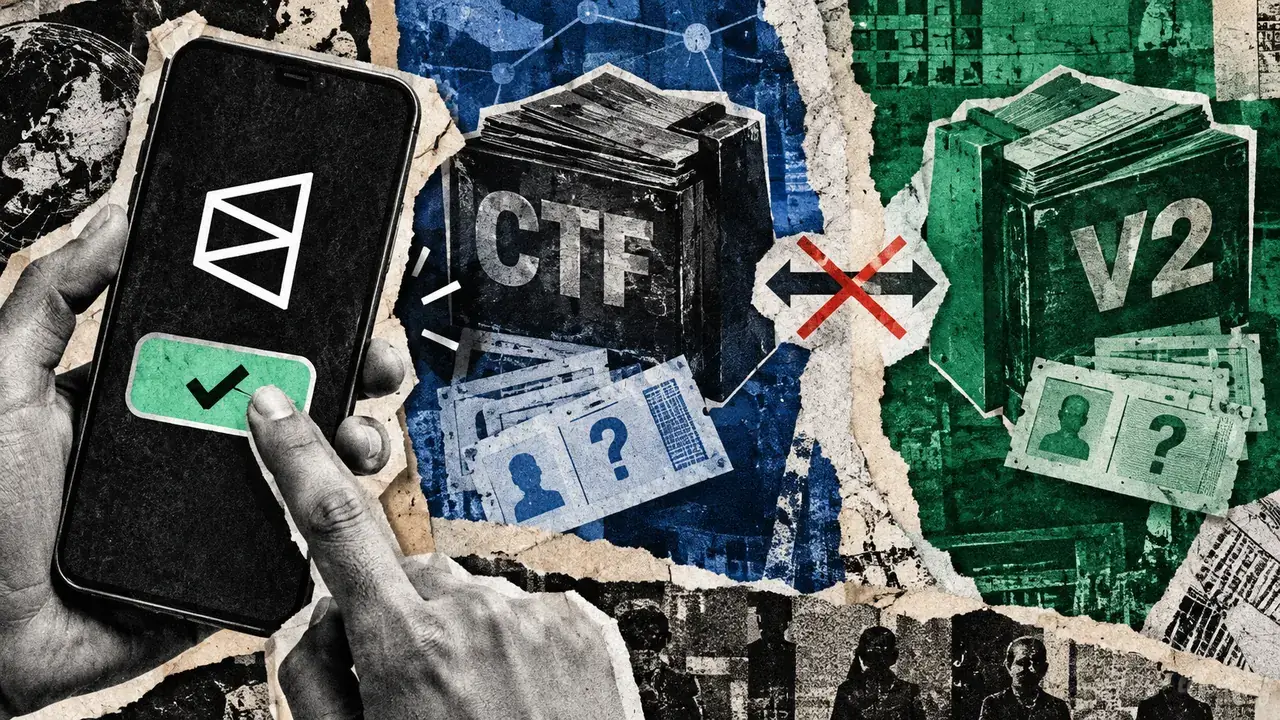
Polymarket’s upgrade won’t automatically move existing bets to new contracts
Polymarket’s Protocol V2 rollout does not automatically move existing bets held under its older Conditional Tokens Framework, or C...

XRP News: XRPL $2.2B Tokenization Depends on Energy Token
In major XRP news today, XRPL reported lead in tokenized commodities rests heavily on a single Justoken energy token: RWA.xyz list...