Visa Looks Into Ways of Paying Transaction Fees on Ethereum Blockchain Using a Card
Visa, a major payment company, is looking into the possibility of allowing users to pay transaction fees on Ethereum, a popular smart contract platform, using their credit cards. This move could simplify the complex proc...
Archive context
Older archive item. Useful for background and entity history, but not a fresh market-moving signal.

Visa, a major payment company, is looking into the possibility of allowing users to pay transaction fees on Ethereum, a popular smart contract platform, using their credit cards.
This move could simplify the complex process of transacting over Ethereum. Currently, users are required to use ETH to pay for Ethereum’s gas fees, which can make transactions complicated.
Using a card to pay for gas feesBy using a card to pay for gas fees, Visa believes the number of steps needed to complete transactions will be reduced.
Gas fees are charges incurred for transactions or operations on blockchains, representing the computational effort required to execute an operation. In the case of Ethereum, gas fees must be paid in ETH, which can be a challenge for some users.
To conduct transactions on Ethereum, users need to maintain a balance of ETH to cover the gas fees. Despite the availability of stablecoins like USDC, this can be inconvenient and complex.
Some opt to use on-ramp services to convert fiat currencies into ETH, while others buy ETH from a centralized crypto exchange and transfer it to their wallet.
However, these methods lack the simplicity and immediacy of traditional financial transactions, and expose users to the volatility of crypto exchange rates.
Visa collabs across three depts.To address this, Visa has collaborated across three departments to allow users to use a card loaded with fiat currency to pay for Ethereum’s gas fees.
We have collaborated to propose a solution that shows how users can pay their on-chain gas fees using fiat money through a card on file.
Our proposed solution utilizes Ethereum’s ERC-4337 standard and a paymaster contract. Visa cardholders can directly cover their gas fees with this approach.
We are confident that this adaptable and innovative approach can enhance the onboarding process for new crypto users and enhance the experience for existing ones.
Why this matters
This ethereum story adds another data point to the current market tape and is useful when read alongside nearby source coverage.
Original source
Read on CryptoGazetteRelated market context

Glamsterdam Upgrade: Sepolia Blocks Leave Most of Ethereum’s New Gas Capacity Unused
Ethereum’s Glamsterdam upgrade has raised Sepolia’s block-gas limit from about 60 million to nearly 200 million, giving developers...

Gate Partners with Visa to Launch Crypto-linked Card Across 40+ Countries and Territories
Gate has announced a collaboration with Visa to launch a crypto-linked card, further expanding the use of digital assets in everyd...

What is Crypto Bunker Mode? Ethereum’s Justin Drake Warns of a Possible AI Break
What is Crypto bunker mode? Ethereum Foundation researcher Justin Drake urged the crypto industry on October 7, 2026, to plan a co...
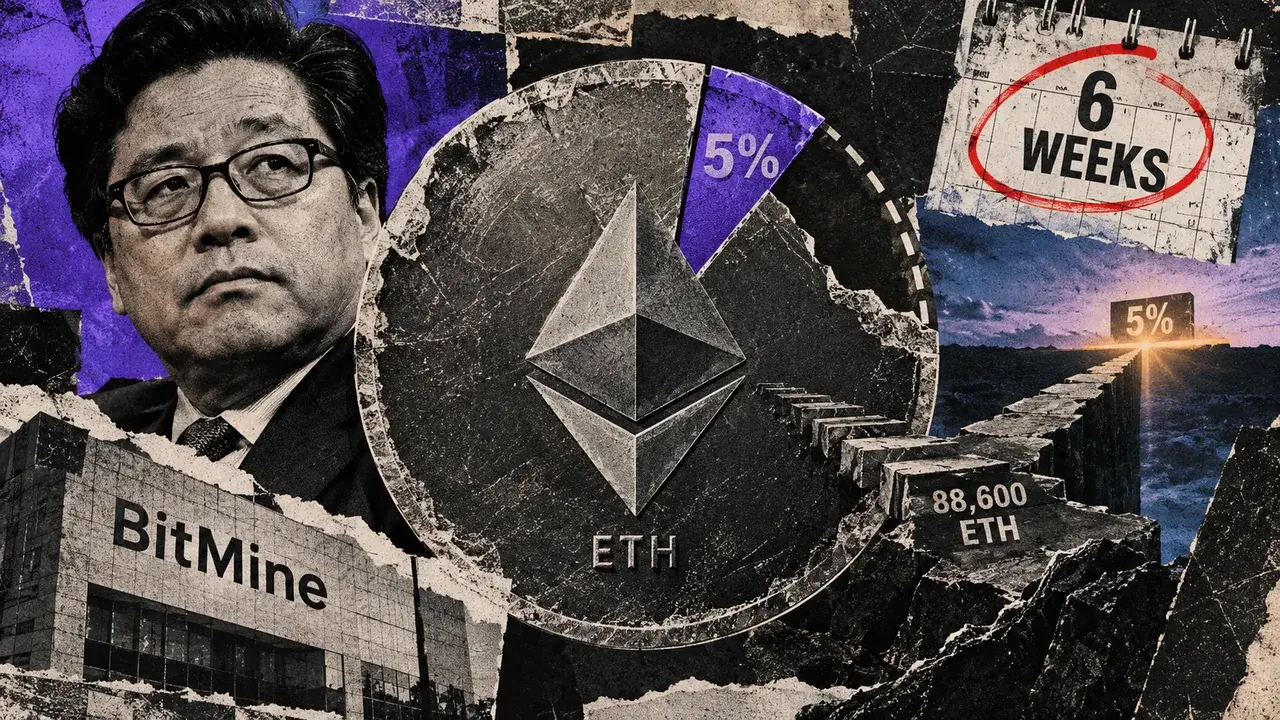
BitMine’s Ethereum buying spree could end in six weeks
BitMine Immersion Technologies Chairman Tom Lee said the company will stop accumulating Ethereum once its holdings reach 5% of the...

Ethereum Tests 200 Million Gas Limit On Sepolia As Glamsterdam Moves Forward
TL;DR: Ethereum’s Sepolia testnet is testing a 200 million block gas limit as part of work around the Glamsterdam upgrade. The exp...
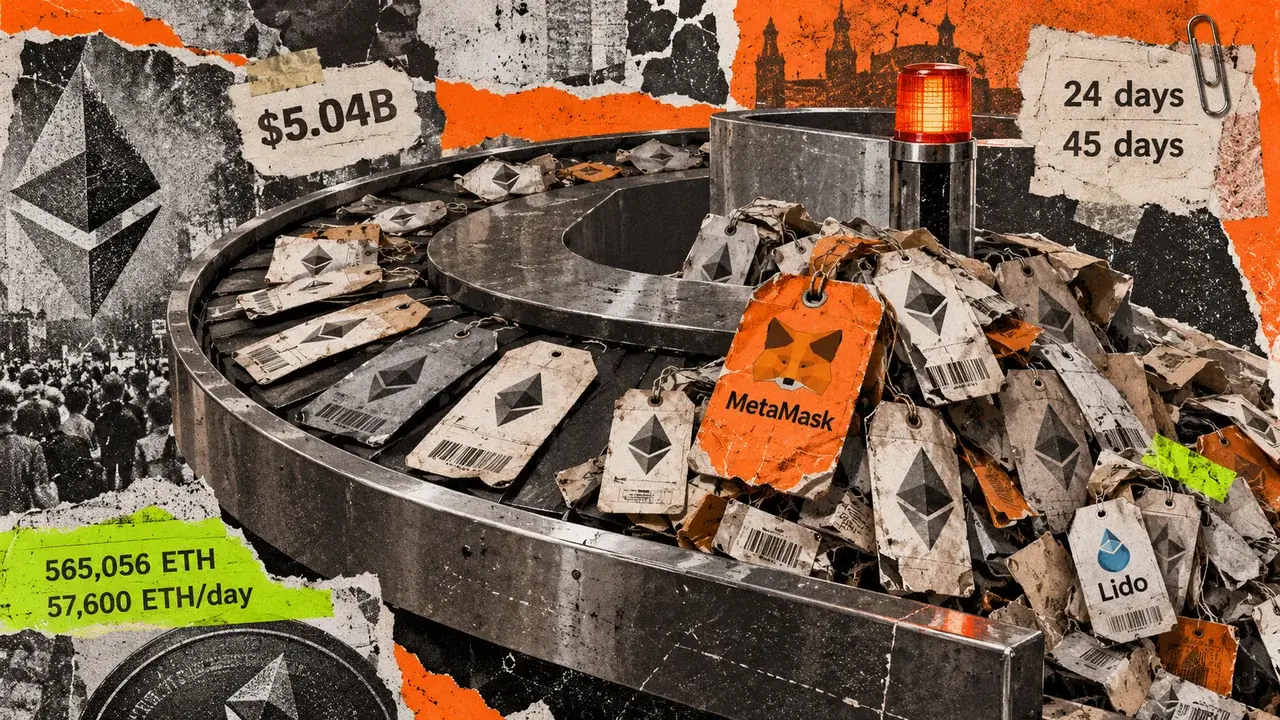
A $1,000 MetaMask incident could turn Ethereum’s staking queue into a $5 billion traffic jam
MetaMask's precautionary validator exits are turning a roughly $1,000 reward diversion into a test of Ethereum's staking capacity....