Bitcoin miners should pay costs in depreciating currency — Ledn exec
Bitcoin (BTC) mining firms should hold their mined Bitcoin and use it as collateral for fiat-denominated loans to pay operating expenses instead of selling BTC and losing the upside of an asset that miners expect to surg...
Archive context
Older archive item. Useful for background and entity history, but not a fresh market-moving signal.
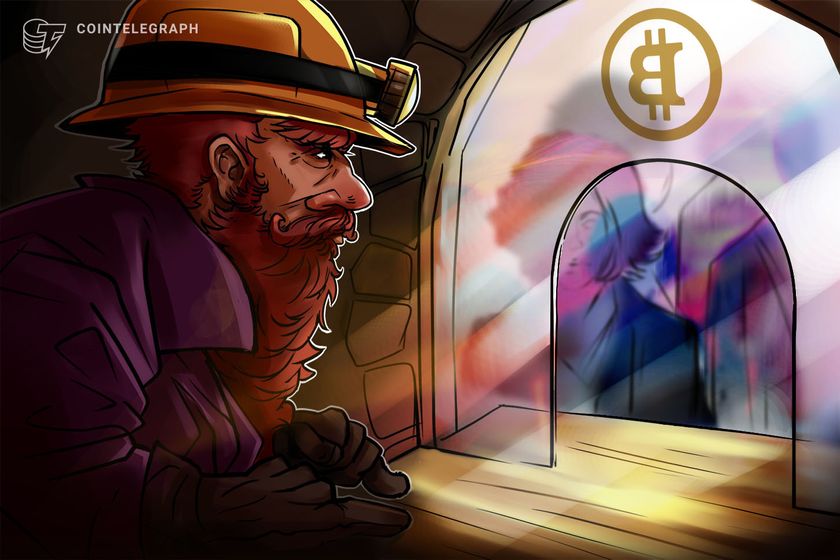
Bitcoin (BTC) mining firms should hold their mined Bitcoin and use it as collateral for fiat-denominated loans to pay operating expenses instead of selling BTC and losing the upside of an asset that miners expect to surge in price, according to John Glover, chief investment officer at Bitcoin lending firm Ledn.
In an interview with Cointelegraph, Glover said that holding onto the BTC carries several benefits including, price appreciation, tax deferment, and the potential to make extra revenue by lending out BTC held in corporate treasuries. The executive added:
"If you are mining, you are generating all this Bitcoin. You understand the thesis behind Bitcoin and why it is likely going to continue to appreciate in the future. You do not want to sell any of your Bitcoin."This debt-based approach is similar to companies like Strategy, which issue corporate debt and equity to finance Bitcoin acquisition and profit from the diverging fundamentals of BTC and the fiat currencies the corporate capital raises are denominated in.
BTC mining hashprice, a metric used to gauge miner profitability, has collapsed as ever-increasing computing resources are deployed to secure the network. Source: Hashrate IndexBitcoin-backed loans could be a valuable lifeline for miners struggling in the highly competitive industry, which is facing increased pressure due to the ongoing trade tensions brought on by the Trump administration's protectionist trade policies and macroeconomic uncertainty.
Related: Riot Platforms secures $100M ‘Bitcoin-backed’ loan from Coinbase
Trade war places even more pressure on beleaguered mining industryThe Bitcoin mining industry is characterized by high competition and capital costs that increase over time as more powerful computing resources are used to mine blocks and secure the network.
US President Trump's sweeping trade tariffs have cast a cloud over the already competitive sector, raising fears that import duties will raise the cost of mining equipment, like application-specific integrated circuits (ASICs), to unsustainable levels.
Mining firms collectively sold over 40% of their mined supply produced in March 2025 amid the heightened macroeconomic uncertainty and fears that the ongoing trade tensions will cause price increases across the board.
According to TheMinerMag, this 40% sell-off marked the reversal of a trend that began post-halving, in April 2024, and represented the highest monthly BTC liquidation among miners since October 2024.
Magazine: Korea to lift corporate crypto ban, beware crypto mining HDs: Asia Express
Why this matters
This mining story adds another data point to the current market tape and is useful when read alongside nearby source coverage.
Original source
Read on CointelegraphRelated market context

SALT Lending says Bitcoin loans are paying for tuition and payroll, not just trades
Bitcoin-backed loans are diversifying financial strategies, potentially reshaping traditional lending and investment landscapes. T...

Bitcoin (BTC) Price Today: $81.1K Becomes Critical as Traders Eye Double-Bottom Setup
Bitcoin recently climbed above $85,000 before encountering renewed selling pressure. Glassnode’s latest Week On-Chain report shows...
Bitcoin loans are paying for tuition and working capital, not just trades, lenders say
Bitcoin-backed lending is evolving into a mainstream source of credit, with borrowers using BTC to access liquidity without sellin...
100 Bitcoin mined in 2010 move for the first time in 16 years
The movement of long-dormant Bitcoin highlights potential shifts in market dynamics and investor strategies, impacting future cryp...

ESMA orders MiCA firms to halt services for non-compliant stablecoins
The EU's deadline for crypto firms to drop non-compliant stablecoins like USDT may reshape market dynamics and regulatory strategi...
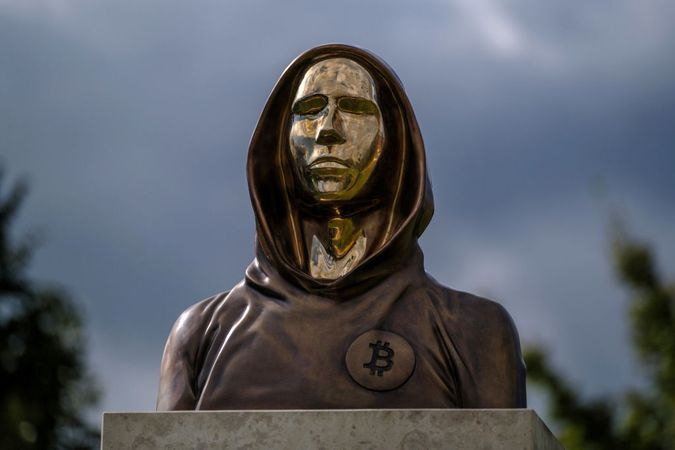
Bitcoin mined for pennies in 2010 moves after 16 years, now worth $8.5 million
The 100 BTC came directly from two mining rewards created during Bitcoin’s “Satoshi era” and had not moved for more than 16 years.