British Columbia Regulates Electricity for Crypto Miners
The Canadian province of British Columbia is taking steps to regulate electricity usage by crypto miners, citing concerns over their unchecked growth and its impact on energy resources. Josie Osborne, Minister of Energy,...
Archive context
Older archive item. Useful for background and entity history, but not a fresh market-moving signal.

The Canadian province of British Columbia is taking steps to regulate electricity usage by crypto miners, citing concerns over their unchecked growth and its impact on energy resources.
Josie Osborne, Minister of Energy, Mines, and Low Carbon Innovation, announced plans on Thursday to address the high energy consumption associated with crypto mining activities in the region. The province aims to balance economic opportunities with sustainable energy management.
The proposed legislative amendment would grant the government authority to restrict or limit electricity usage for crypto mining operations. This move is motivated by concerns that the rapid expansion of the sector could strain the province’s electricity supply, potentially driving up costs for residential and commercial users.
In December 2022, British Columbia initiated a temporary suspension of new electricity connections for cryptocurrency mining projects, set to last for 18 months. This decision affected approximately 21 projects, collectively seeking 11,700 gigawatt hours of power annually.
Minister Osborne emphasized the importance of collaboration with British Columbia Hydro, the provincial power utility, to ensure a stable and sustainable energy future. The goal is to regulate electricity services for energy-intensive crypto mining operations, which typically yield minimal local employment opportunities.
This regulatory approach aligns with British Columbia’s commitment to prioritizing electricity resources for essential needs, such as electric vehicles, heat pumps, and other carbon-reducing initiatives that contribute to job creation and economic development.
Despite being the fourth-largest electricity producer in Canada, British Columbia faces challenges in meeting future energy demands. Concerns have been raised about the region’s ability to consistently generate sufficient power, especially considering growing demand and potential constraints on generation capacity by 2026, as highlighted in a report by the North American Electric Reliability Corporation.
Featured Image: Freepik
Why this matters
This mining story adds another data point to the current market tape and is useful when read alongside nearby source coverage.
Original source
Read on CryptoCurrencyNewsRelated market context

SEC drops to 2 members, and 1 hidden rule shifts crypto power
Hester Peirce’s Oct. 2 resignation has left Paul Atkins and Mark Uyeda as the SEC’s two listed commissioners. A new rule permits o...

VanEck says nuclear power approval could boost AI and ease Bitcoin sell pressure
Nuclear power expansion could transform energy economics, reducing Bitcoin sell-offs and enhancing AI growth through cheaper elect...
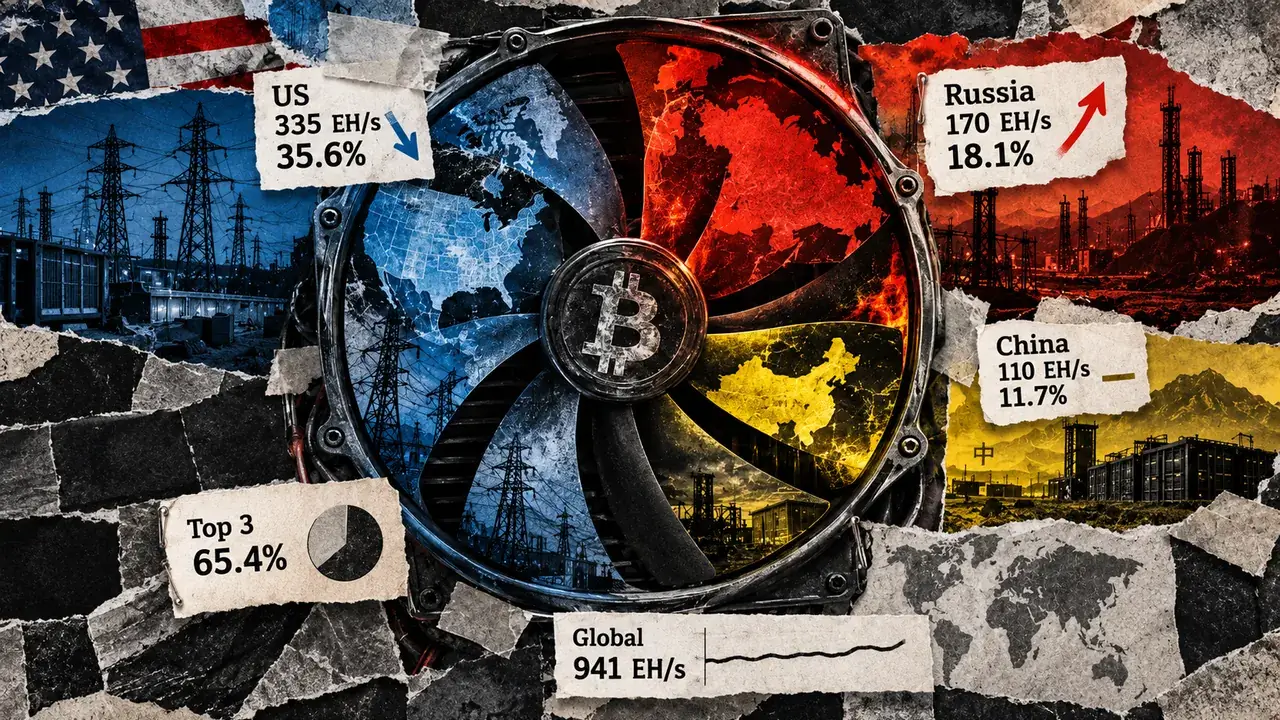
3 countries control 66% of Bitcoin mining, but 1 rival is gaining
Bitcoin's estimated US mining footprint shrank as Russia's grew, with little change in top-three country concentration. Hashrate I...

New Generation of Crypto Miners Released by ASICID
Hong Kong, Hong Kong, October 6th, 2026, Chainwire ASICID Inc. has released its IDMINER Series, a new lineup of cryptocurrency min...
Fortitude Bets Up to $100 Million on Bitmain Zcash Mining Hardware
Fortitude Mining has signed a non-binding agreement for up to $100 million of Bitmain’s next-generation zcash mining hardware, sec...

Hong Kong to regulate bitcoin and digital assets with new legislation this year
Hong Kong's regulatory move may bolster investor trust and align with global trends, potentially driving increased bitcoin adoptio...