El Salvador Takes ‘First Steps’ to Mining Bitcoin With Volcanoes
El Salvador’s president has said via a Twitter video that the country started its project to use geothermal energy—from volcanoes—to mine Bitcoin. President Nayib Bukele, an avid Twitter user, posted the video yesterday...
Archive context
Older archive item. Useful for background and entity history, but not a fresh market-moving signal.
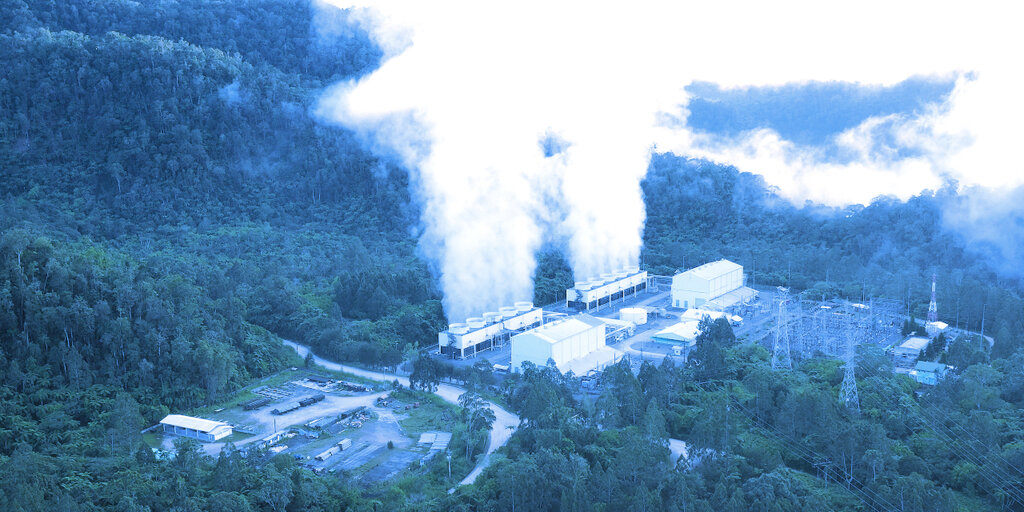
El Salvador’s president has said via a Twitter video that the country started its project to use geothermal energy—from volcanoes—to mine Bitcoin.
President Nayib Bukele, an avid Twitter user, posted the video yesterday with the caption, “First steps,” accompanied by a volcano emoji.
The short clip, which already has 1.8 million views, showed a data center in a forest. It then zoomed in on a worker inside the center hooking up a wire to a Bitcoin mining machine. Bitcoin mining is the energy-intensive process of using powerful computers to verify transactions on the blockchain.
First steps...
#Bitcoin pic.twitter.com/duhHvmEnym
— Nayib Bukele (@nayibbukele) September 28, 2021
Bitcoin mining has come under scrutiny lately because of the sheer amount of energy it uses. More and more mining companies are now looking for clean energy to produce the asset.
Bukele said in June that El Salvador’s state-owned electricity company LaGeo would use "very cheap, 100% clean, 100% renewable, 0 emissions energy from our volcanos" to mine Bitcoin.
El Salvador controversially made Bitcoin legal tender in the country on September 7. It is the first country in the world to do so.
The idea is the brainchild of the country’s millennial president, who came to power in 2019. Despite Bukele being popular in the country (recent polls put his approval rating above 80%), the president’s Bitcoin Law has been criticized by the likes of the World Bank—and some Salvadorans.
El Salvador President Submits Bill to Recognize Bitcoin as Legal Tender
Citizens slammed the idea earlier this month when thousands took to the streets to protest against the president—which were the biggest protests since Bukele took power, according to local media.
El Salvador’s Bitcoin Law says that businesses have to accept payment in Bitcoin if they have the technology.
Citizens don’t have to use it but are encouraged to do so by the government: there is a state wallet, called Chivo, and those who download it to their smartphone are rewarded $30 in Bitcoin. Salvadorans have shared images on Twitter of their cryptocurrency gifts since using the wallet.
The wallet had technical issues at first but Bukele now claims more citizens are using the wallet than any bank in the country.
Why this matters
This mining story adds another data point to the current market tape and is useful when read alongside nearby source coverage.
Original source
Read on DecryptRelated market context
Blink Wallet Adds Inactivity Fee to Custodial Accounts, Accelerating Migration to Self Custody
Bitcoin Magazine Blink Wallet Adds Inactivity Fee to Custodial Accounts, Accelerating Migration to Self Custody Blink Wallet annou...
Bitcoin Mining Firm Luxor Raises $16 Million to Scale AI Compute Trading and Hardware
Bitcoin Magazine Bitcoin Mining Firm Luxor Raises $16 Million to Scale AI Compute Trading and Hardware Seattle-based Luxor Technol...

Bitget Wallet Officially Launches Virtual Accounts to 100M Crypto Users
Key Takeaways: Bitget Wallet introduces free USD & EUR virtual accounts. All deposits automatically go to USDT or USDC. The fee fo...
Bitget Wallet Gives Users USD and EUR Account Numbers That Convert Deposits to Stablecoins
Bitget Wallet, the self-custodial crypto wallet, is giving its users personal USD and EUR account numbers that can take in bank tr...
VanEck Launches All-in-One Wealth Builder ETF With Bitcoin Exposure
Bitcoin Magazine VanEck Launches All-in-One Wealth Builder ETF With Bitcoin Exposure VanEck launched the Wealth Builder ETF today,...

Two Solo Bitcoin Miners Hit the Jackpot Against Industrial Mining Giants
Two solo miners independently discovered Bitcoin blocks in rapid succession on Monday and Tuesday, marking an unusual back-to-back...