New York Governor Signs Law Partially Banning Bitcoin Mining on Fossil Fuels
A moratorium on some crypto mining operations relying on carbon-based energy has been signed into law in New York. Businesses engaged in proof-of-work mining in the state will not be able to expand or renew their permits...
Archive context
Older archive item. Useful for background and entity history, but not a fresh market-moving signal.

A moratorium on some crypto mining operations relying on carbon-based energy has been signed into law in New York. Businesses engaged in proof-of-work mining in the state will not be able to expand or renew their permits for the next two years as a result of the ban, which is likely to have consequences for the industry across the United States.
‘First of Its Kind’ PoW Mining Moratorium Takes Effect in New YorkNew York Governor Kathy Hochul signed a law on Tuesday partially banning cryptocurrency mining using power generated from fossil fuels. The legislation will prevent companies involved in proof-of-work (PoW) mining that don’t use solely renewable energy such as hydropower from expanding, and renewing or obtaining new permits in the next two years.
The bill introducing the temporary restrictions, which passed the state assembly and senate this past spring, targets specifically PoW authentication, the method employed to validate blockchain transactions for cryptocurrencies like bitcoin, as it requires significant amounts of electricity to run the powerful computing hardware.
In a legal filing quoted by the CNBC, Hochul noted that the decision “is the first of its kind in the country.” According to a report by Bloomberg, the governor has been postponing the signing of the mining law amid intensive lobbying from the sector. She also emphasized her intention to “ensure that New York continues to be the center of financial innovation” while prioritizing environmental protection.
Representatives of the industry fear that the ban could have a domino effect across the U.S., a major player in the crypto mining market. The nation’s share of the average monthly global hashrate neared 38% in January, according to the Cambridge Bitcoin Electricity Consumption Index. The Chamber of Digital Commerce issued a warning statement:
The approval will set a dangerous precedent in determining who may or may not use power in New York State.
The law would weaken New York’s economy and stifle its future as a leader in technology and global financial services, said the Chamber’s founder and chief executive Perianne Boring. In earlier comments, she also pointed out that the decision will eliminate jobs and “disenfranchise financial access to the many underbanked populations.”
According to other experts, the moratorium could force crypto mining companies to relocate to more favorable jurisdictions such as Georgia, North Carolina, North Dakota, and Wyoming, with jobs and tax money moving out of New York. Among them is Texas, which in addition to friendly regulations also offers access to abundant renewable power and excess energy from sources like stranded gas.
Aggressive carbon-reduction targets were also part of the reasoning behind last year’s government crackdown on crypto mining in China, the former leader in the industry. In Europe, proponents of the idea to ban PoW mining attempted to add provisions prohibiting services for cryptocurrencies that rely on the energy-intensive mining method to the EU’s Markets in Crypto Assets (MiCA) legislation. In October, amid limited energy supplies from Russia, Brussels renewed efforts to reduce power consumption in crypto extraction.
Do you expect other states to impose similar restrictions following the enforcement of the PoW mining ban in New York? Let us know in the comments section below.
Why this matters
This mining story adds another data point to the current market tape and is useful when read alongside nearby source coverage.
Original source
Read on Bitcoin NewsRelated market context

PowerCompute Mines 8.1 Bitcoin In September After Using BTC To Slash Debt
TL;DR: PowerCompute mined 8.1 BTC in September, up 37% from a year earlier. Its month-end Bitcoin holdings fell to 63.7 BTC after...

Bitcoin Falls Below $81,000 as Oil Spikes, Fed Talks Tough
Bitcoin Magazine Bitcoin Falls Below $81,000 as Oil Spikes, Fed Talks Tough Bitcoin’s price has dropped further, sliding with othe...
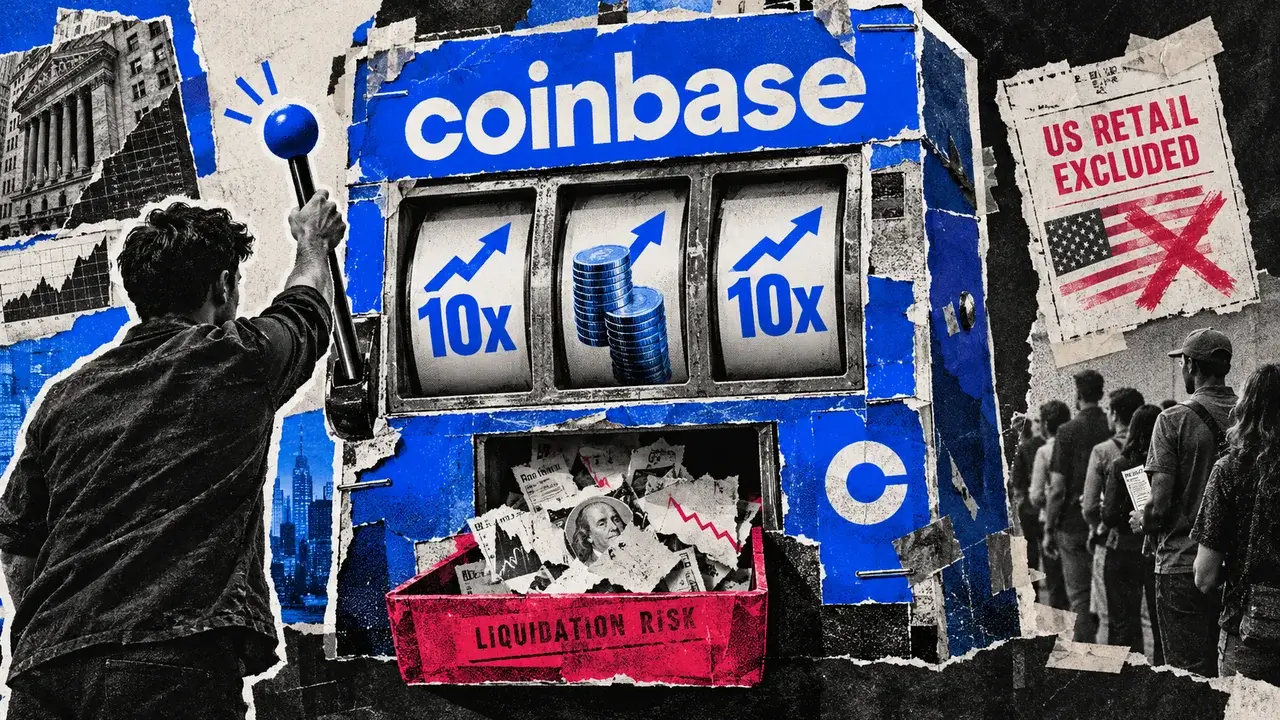
Coinbase rolls out 10x spot leverage, but blocks US retail from it
Coinbase plans to introduce spot borrowing with up to 10x leverage, letting eligible traders borrow against collateral to buy cryp...

Bitcoin miners escape months of distress as daily revenue surges by 78%
Bitcoin miners are emerging from months of financial pressure as rising BTC prices lift daily industry revenue by 78%. According t...

AI may be keeping Bitcoin’s biggest macro headwind alive after the Fed stops hiking
Bitcoin faces a new macro headwind from the artificial-intelligence boom as massive infrastructure spending competes for long-term...

82 Million Galaxy Devices Will Support USDC Transfers This October
USDC is set to become Samsung Wallet’s default dollar stablecoin as Coinbase expands its partnership with the smartphone maker. Th...