Russia’s Anti-Monopoly Agency Proposes Higher Electricity Rates for Home Crypto Miners
The anti-monopoly service of Russia has suggested that Russians minting digital currencies at their homes should pay more for the spent electrical energy. The proposal comes after the submission of a bill tailored to reg...
Archive context
Older archive item. Useful for background and entity history, but not a fresh market-moving signal.
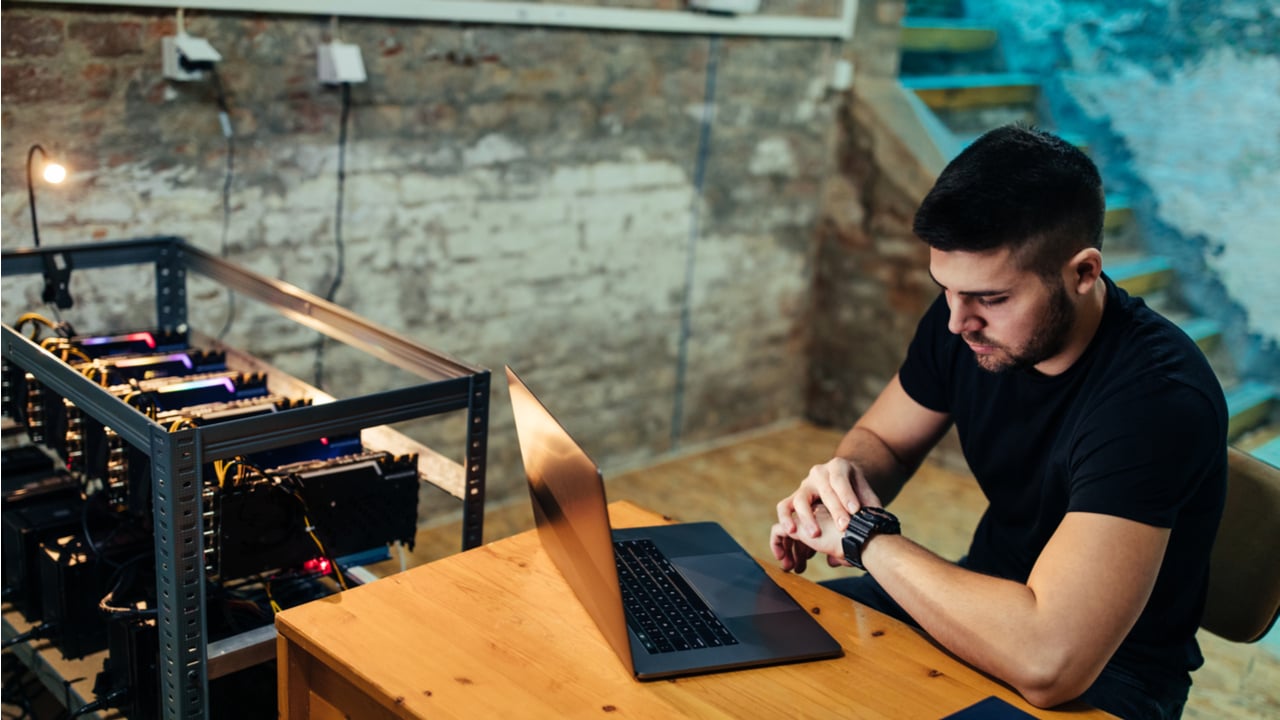
The anti-monopoly service of Russia has suggested that Russians minting digital currencies at their homes should pay more for the spent electrical energy. The proposal comes after the submission of a bill tailored to regulate cryptocurrency mining to the Russian parliament.
Russian Miners Using Household Electricity Should Pay Higher Bills, Anti-Monopoly Body Says
Russia’s Federal Anti-monopoly Service (FAS) has designed a scheme to charge amateur crypto miners increased rates for the electricity they use. The agency insists its approach to solving the problem with rising consumption in residential areas, due in part to the growing popularity of mining, can reduce the load on the electrical networks.
Authorities in the Russian Federation maintain differentiated electricity tariffs depending on the status and location of consumers, the Rossiyskaya Gazeta daily explains in an article. Businesses subsidize household prices through their own tariffs, which can be up to two times higher than the rates for the general population.
Private consumers often try to exploit their low rates to earn money by powering anything from car repair shops to woodworking shops, the Community of Energy Consumers association notes. As a result, grids in residential areas are overloaded as they are not designed to cope with the excessive power usage, which has also spiked due to home mining.
The FAS now wants to introduce a threshold for electricity consumption, above which higher rates will be imposed. Thus, according to the anti-monopoly service, household needs will be separated from commercial ones. The consumption of various household appliances, including those with increased power usage like air conditioning units, will be accounted for.
Each Russian region will be able to set the amount of electricity that will be supplied at preferential rates, taking into account factors such as power usage for heating in the cold months and the length of the heating season, the FAS pointed out. In December, the federal government allowed regional authorities to independently determine the local electricity tariffs.
Power supply networks in the residential areas of many regions with historically low electricity prices, such as Irkutsk Oblast, Krasnoyarsk Krai, and Dagestan, have suffered breakdowns due to the spread of improvised crypto mining farms minting coins in basements and garages.
The introduction of differentiated tariffs is expected to reduce interest in mining and other ways of earning at the expense of subsidized household electricity. The agency hopes the new approach can also lower production costs for businesses calculated in the prices of their goods and services, ultimately suppressing inflation.
The proposal comes as Russian lawmakers are reviewing a new draft law on cryptocurrency mining. The legislation aims to regulate the industry in the country, which is rich in cheap energy resources and favorable climatic conditions. Its competitive advantages can potentially turn Russia into a global mining leader, officials have acknowledged.
What are your thoughts on the new electricity pricing that will affect crypto miners in Russia? Tell us in the comments section below.
Why this matters
This mining story adds another data point to the current market tape and is useful when read alongside nearby source coverage.
Original source
Read on Bitcoin NewsRelated market context
Russia’s Sberbank Given Green Light to Custody Bitcoin
Bitcoin Magazine Russia’s Sberbank Given Green Light to Custody Bitcoin Russia’s largest bank has announced it is the first in the...

Tether Celebrates 12 Years, USD₮ Surpasses 700M Users
Key Takeaways: Tether marked the 12th anniversary of the world’s largest stablecoin by market cap, USD₮. The company claims that U...
CFTC Chair Says New Crypto Rulemaking Will Prevent Another FTX-Style Collapse
Bitcoin Magazine CFTC Chair Says New Crypto Rulemaking Will Prevent Another FTX-Style Collapse Pro-crypto regulator Mike Selig has...

Trust Wallet integrates MoonPay so US users can buy crypto without leaving the app
The integration enhances user convenience and self-custody appeal but raises concerns about dependency on a single provider's stab...
Ether is about to lose a steady buyer as Tom Lee says Bitmine will stop token purchases
Tom Lee said Bitmine will be “done stacking” once it owns 5% of ETH, setting an end date to an accumulation streak that began in m...

Glamsterdam Upgrade: Sepolia Blocks Leave Most of Ethereum’s New Gas Capacity Unused
Ethereum’s Glamsterdam upgrade has raised Sepolia’s block-gas limit from about 60 million to nearly 200 million, giving developers...