Tether Targets South America’s Surplus Power for Low-Carbon Bitcoin Mining – But Will Volatility Bite?
Tether and Adecoagro have signed a memorandum of understanding to explore a joint Bitcoin mining project using renewable energy in Brazil, according to an announcement published on July 3. Key Takeaways: Tether and Adeco...
Archive context
Older archive item. Useful for background and entity history, but not a fresh market-moving signal.

Tether and Adecoagro have signed a memorandum of understanding to explore a joint Bitcoin mining project using renewable energy in Brazil, according to an announcement published on July 3.
Key Takeaways:
- Tether and Adecoagro signed an MoU to explore Bitcoin mining powered by renewable energy in Brazil.
- The project uses Adecoagro’s 230 MW energy capacity and Tether’s operational tools.
- South America is emerging as a new base for renewable-powered crypto infrastructure.
The announcement said that the plan would use Adecoagro’s 230 megawatts of renewable power capacity across South America to run Bitcoin mining operations.
Tether and Adecoagro To Power Bitcoin Mining With Renewable Energy In Brazil
Learn more: https://t.co/Q8NhdgG79q
Tether will provide infrastructure and operational oversight through its in-house Mining OS, which the company plans to release as open source in the coming months.
“We’re excited to explore innovative ways to maximize the value of our renewable energy assets,” said Adecoagro co-founder and CEO Mariano Bosch.
“This project opens the door to stabilizing a portion of the energy we currently sell on the spot market, locking in pricing, while also gaining exposure to the upside potential of Bitcoin,” said Bosch.
The pilot project has been approved by Adecoagro’s Independent Committee under its related-party transaction policy. The companies plan to evaluate how Bitcoin mining could serve both as an alternative electricity off-take and a strategic treasury component.
Tether CEO Paolo Ardoino said the initiative stresses the firm’s goal to back decentralized networks with physical infrastructure.
“We believe this model can drive financial inclusion, promote energy efficiency, and serve as a blueprint for responsible innovation at the intersection of technology and sustainability,” he said.
Renewable-Powered Bitcoin Mining Gains GroundAdecoagro Board Chair Juan Sartori, who also leads Tether’s business initiatives, described the plan as a convergence of agriculture, energy, and technology.
“[The partnership] allows us to explore a new intersection between agriculture, energy, and technology,” he said.
The companies said the project will assess the viability of adding Bitcoin to Adecoagro’s balance sheet, similar to how it treats farmland assets. The collaboration could also inform longer-term diversification of Adecoagro’s energy strategy.
Bitcoin mining tied to renewable energy is drawing increased attention from energy producers looking to balance load and monetize excess supply.
South America’s emerging role in sustainable mining is also shaping how institutions assess digital asset exposure. While past mining growth concentrated in North America and Central Asia, companies in Brazil, Paraguay, and Argentina are starting to frame crypto infrastructure as part of their broader energy and industrial strategies.
Frequently Asked Questions (FAQs)What distinguishes Brazil’s energy profile for crypto mining?Brazil has a high share of renewable electricity—mainly hydro and biomass—which makes it an appealing base for energy-intensive activities that seek low-carbon operations, including Bitcoin mining.
How could this affect Bitcoin’s environmental reputation?If scaled, projects like this may shift the narrative around Bitcoin’s carbon footprint by anchoring mining operations in clean energy regions, particularly in the Global South.
Are there risks in linking corporate energy strategies to crypto markets?Yes. Bitcoin price volatility and regulatory uncertainty could impact financial planning, especially if mining becomes a sizable part of a company’s energy demand or treasury model.
The post Tether Targets South America’s Surplus Power for Low-Carbon Bitcoin Mining – But Will Volatility Bite? appeared first on Cryptonews.
Why this matters
This mining story adds another data point to the current market tape and is useful when read alongside nearby source coverage.
Original source
Read on CryptonewsRelated market context

CFTC Chair Says New Crypto Rulemaking Will Prevent Another FTX-Style Collapse
Bitcoin Magazine CFTC Chair Says New Crypto Rulemaking Will Prevent Another FTX-Style Collapse Pro-crypto regulator Mike Selig has...

Tether Signs Deal With Kazakhstan's Central Bank to Explore a Stablecoin and Tokenized Assets
Tether, issuer of the USDT stablecoin, will help Kazakhstan's central bank study a tenge-pegged token and put real-world assets on...
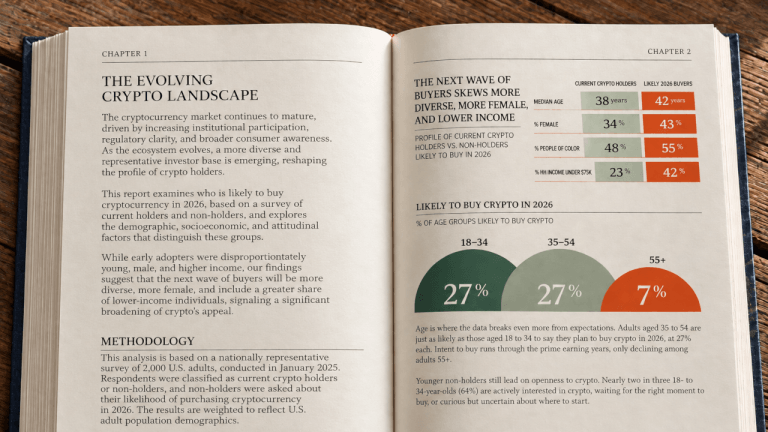
33M Americans Are Eyeing Crypto, but the Next Wave Looks Different: Survey
An estimated 33 million Americans without crypto holdings are likely to buy this year, a new survey indicates. Their demographic p...

Decrypt Money Accounts on Solana to Power The Information Exchange
One self-custodial platform to power Earn, Swaps, Predictions and Perps on Decrypt, as it builds out its financial and intelligenc...

Securitize’s Chongwu Du says tokenized finance will run on a few blockchains, not one
Tokenized finance's reliance on multiple blockchains could enhance resilience and innovation, fostering a more diverse financial e...

SoFi launches stablecoin card settlement on Mastercard, projecting over $25 billion a year
SoFi's stablecoin initiative could revolutionize banking by enhancing transaction efficiency, though adoption and consumer awarene...