Meet Ordinals, the New Bitcoin NFT Engine, and the Drama Surrounding Them
Ordinals, a new way of using and getting content using Bitcoin, are enabling creators to harness the utility of NFTs (non-fungible tokens) directly from the blockchain, essentially creating native Bitcoin NFTs. This has...
Archive context
Older archive item. Useful for background and entity history, but not a fresh market-moving signal.

Ordinals, a new way of using and getting content using Bitcoin, are enabling creators to harness the utility of NFTs (non-fungible tokens) directly from the blockchain, essentially creating native Bitcoin NFTs. This has stirred the pot in some circles, which are now discussing if this is the way in which Bitcoin’s blockchain should be used, and how this new use case will affect bitcoin nodes and fees in the future.
Ordinals Enable Bitcoin NFTs Courtesy of TaprootA newfound use case for the Bitcoin chain is now being tested by individuals that have found a way of getting content directly to the blockchain. The project, called Ordinals, and launched just a few days ago, has enabled anyone to create Bitcoin NFTs (called inscriptions) as part of its functionality. This opportunity was inadvertently opened by the Taproot upgrade that the network underwent in November, which extended the length of Bitcoin transactions to almost the whole size of a block.
This has been key for what’s currently happening. Before Taproot, transactions could only be 80 bytes in size, limiting the usability of what was stored in the block space. Now, Bitcoin NFTs are being saved directly on the chain, enabling the benefits of portability, durability, and decentralization that characterize Bitcoin.
This could present unique benefits for content creators and users, given that each piece of content stored on the blockchain via Ordinals will have to be synced by each node out there, giving them the longevity of the blockchain itself. Most NFT projects that harness other chains, Ethereum included, just store pointers to the information, that does not reside directly on the blockchain.
Controversy Behind the New FunctionalityWhile there are some ostensible advantages surrounding the adoption of Bitcoin NFTs, the rise of this new feature has awakened an old debate about the true function of the network and what constitutes an attack against the Bitcoin ecosystem. There are already two groups in this public debate: those who support this new face of Bitcoin, and those who believe this is a spam attack that should be avoided and even censored.
The first group alleges that this is a net positive for the chain and that it will contribute to bringing more fees and uses cases for the chain. This is the case of known bitcoin-influencer Dan Held, who believes that each transaction paying its fee is not spam and that the chain is permissionless for anyone to build on top of it.
The second group states that, even if there is nothing that they can do to stop it, this will hurt Bitcoin’s financial and transactional use case. Blockstream CEO Adam Back, believed by some to be Satoshi Nakamoto, is part of this faction, stating that bitcoin users can “educate and encourage developers who care about bitcoin’s use-case to either not do that, or do it in a prunable space-efficient eg time-stamp way.”
Luke Dashjr, a bitcoin developer, called this an “attack” on the protocol and asked for “spam” filters to be developed to counter ordinal functionality. Another Twitter user called “Bitcoin is saving” criticized this from another point of view, explaining that this would affect the viability of marginalized people in developing countries for running Bitcoin nodes and sending transactions.
What do you think about Ordinals and Bitcoin NFTs? Tell us in the comments section below.
Why this matters
This nft story adds another data point to the current market tape and is useful when read alongside nearby source coverage.
Original source
Read on Bitcoin NewsRelated market context

Ethereum Price Prediction: Is Tom Lee’s $25K ETH Target Too Ambitious?
Tom Lee’s $10,000 Ethereum price prediction implies a 1000% move from ETH’s current price at around $2,500. BitMine’s accumulation...

What Is Crypto Spot Trading?
For example, a token can be up 70% and still be a terrible trade if you have no idea when to take profits. Likewise, a 30% dip can...

Vitalik Warns AI Math Could Threaten Crypto Keys Before Quantum Computing Arrives
Key Takeaways: Vitalik Buterin states that the rise of today’s cryptography is outpaced by AI-accelerated mathematics. In addition...
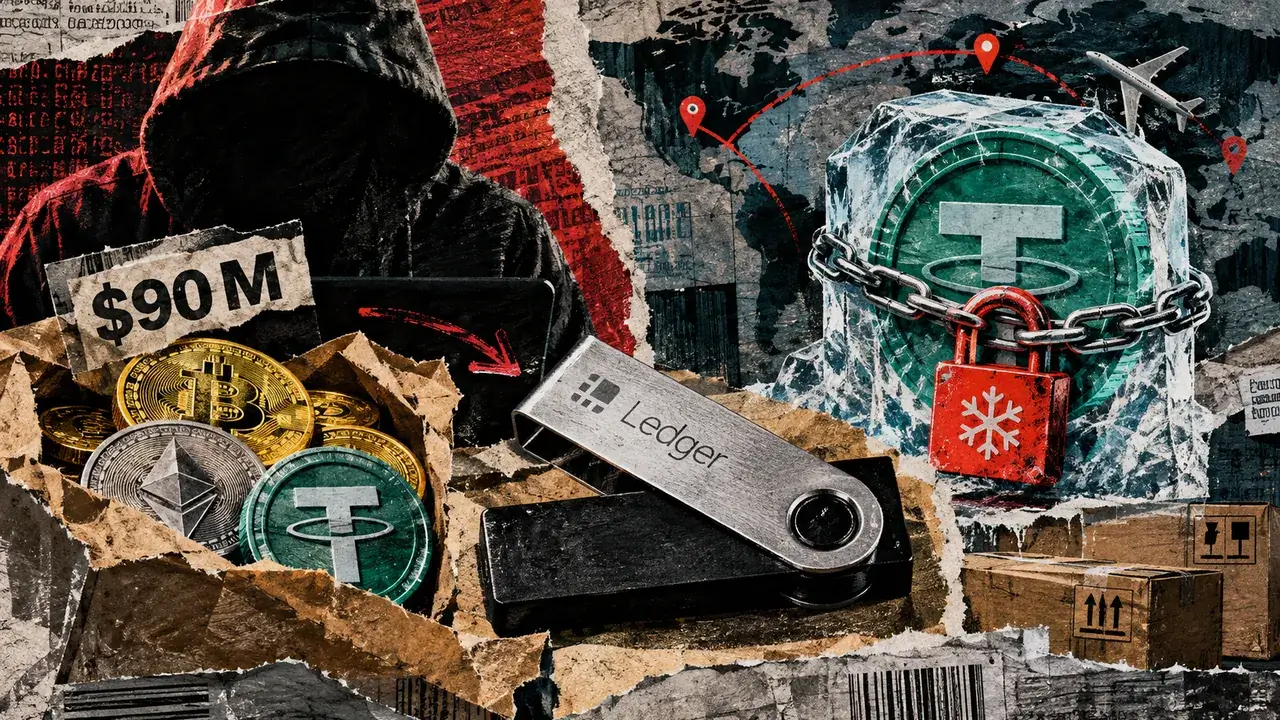
Ledger hack scare nears $90 million as Tether moves to freeze stolen USDT
Suspected Ledger wallet thefts are approaching $90 million as Tether freezes USDT stablecoin linked to the incident, according to...

Securitize Puts 12 U.S. Stocks on Solana With 1:1 Backing and 24/7 Trading Plans
Key Takeaways: Securitize has already launched tokenized U.S. stocks on Solana, including NVIDIA, Tesla and Apple. Each token repr...

STRK rallies as Starknet weighs a move from Ethereum layer 2 to its own layer 1
Starknet's potential shift to layer 1 could redefine blockchain security priorities, challenging Ethereum's timeline and reshaping...