Ordinals Explained | What are Ordinals? Episode 2
Defining Bitcoin OrdinalsThe Role of Ordinals in BitcoinBitcoin ordinals refer to the unique identification numbers assigned to each satoshi on the blockchain. They serve as a timestamp and help establish the order in wh...
Archive context
Older archive item. Useful for background and entity history, but not a fresh market-moving signal.
Bitcoin ordinals refer to the unique identification numbers assigned to each satoshi on the blockchain. They serve as a timestamp and help establish the order in which satoshis occur. Ordinal theory enables participants to verify the chronology of satoshis, ensuring that the network reaches a consensus on the state of the blockchain.
When a Bitcoin transaction takes place, it is recorded on the blockchain, which is essentially a decentralized ledger. Each satoshi is assigned a unique ordinal number, which acts as a digital fingerprint. This ordinal number is generated using complex cryptographic algorithms, making it virtually impossible to tamper with or forge.
By using ordinal numbering, Bitcoin ensures that all participants can agree on the order of satoshis. This is crucial in a decentralized system where there is no central authority to validate and confirm transactions.
Exploring Bitcoin InscriptionsThe Purpose of Bitcoin InscriptionsBitcoin inscriptions are the actual messages or data that are recorded in the blockchain. They can be used to record any arbitrary data, but are also used to issue and transfer arbitrary tokens. In that case, they include details such as the sender, the recipient, the amount, and any additional information associated with the transaction. Inscriptions provide a comprehensive record of data inscribed on the Bitcoin blockchain, enabling seamless auditing and verification.
How Bitcoin Inscriptions Contribute to BlockchainBitcoin inscriptions are committed to the blockchain using Bitcoin transactions, ensuring that they cannot be tampered with. These inscription transactions, along with the associated metadata, are organized into blocks and added to the blockchain by miners just like regular transactions. This distributed ledger structure guarantees immutability, providing the same degree of immutability to inscriptions as all other Bitcoin transactions.
The Connection Between Bitcoin Ordinals and InscriptionsHow Ordinals and Inscriptions InteractBitcoin ordinals and inscriptions work in harmony to create a robust and reliable system. Ordinals provide a means to associate an inscription with an owner, while inscriptions allow for a means to inscribe arbitrary data to the blockchain guaranteeing its availability. Together, they form an interconnected web of information that fuels the entire Ordinals ecosystem.
The Future of Bitcoin: Ordinals and InscriptionsHow Ordinals and Inscriptions Could Shape Bitcoin's FutureBitcoin ordinals and inscriptions form the foundation of a secure and transparent digital artifact and token ecosystem. As the landscape evolves, their importance cannot be underestimated. Further research, innovation, and adoption in the field of ordinals and inscriptions will pave the way for a more robust and efficient Bitcoin network, ultimately shaping the future of digital finance, art, and collectibles.
Why this matters
This nft story adds another data point to the current market tape and is useful when read alongside nearby source coverage.
Original source
Read on Bitcoin MagazineRelated market context
WhiteBIT Integrates Lightning Network for Fast and Cheap Bitcoin Transactions
Bitcoin Magazine WhiteBIT Integrates Lightning Network for Fast and Cheap Bitcoin Transactions The Lightning Network continues to...
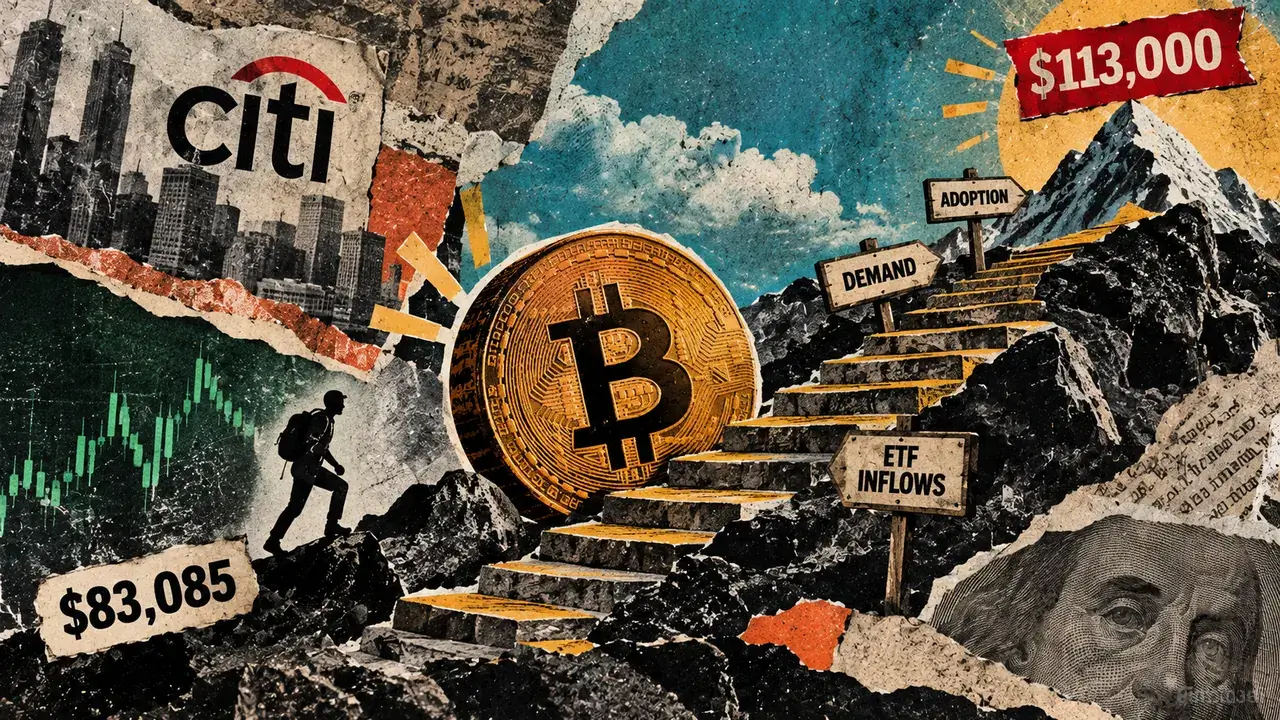
Citi predicts Bitcoin going back to $113,000. Here’s what the buying data shows
Citi's $113,000 Bitcoin target would require a roughly 36% rise from the Oct. 7 reference price, keeping it below its previous rec...

PowerCompute Mines 8.1 Bitcoin In September After Using BTC To Slash Debt
TL;DR: PowerCompute mined 8.1 BTC in September, up 37% from a year earlier. Its month-end Bitcoin holdings fell to 63.7 BTC after...

Glamsterdam Upgrade: Sepolia Blocks Leave Most of Ethereum’s New Gas Capacity Unused
Ethereum’s Glamsterdam upgrade has raised Sepolia’s block-gas limit from about 60 million to nearly 200 million, giving developers...
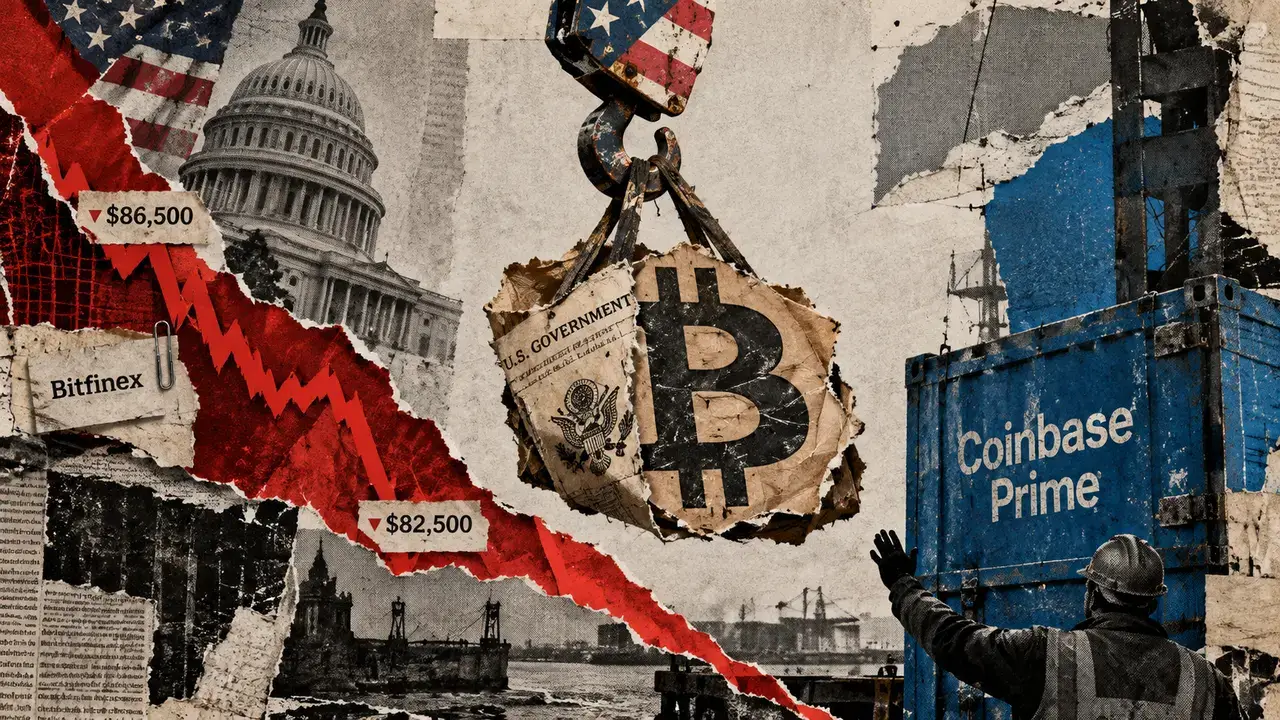
US government moves another $1 billion in Bitcoin as BTC slides $4,000
US government-linked wallets moved over $1 billion in Bitcoin on Oct. 8 as BTC prices fell and more coins reached Coinbase Prime....

Coinbase puts DATA-USD into auction mode after Story token migration
The auction mode for DATA-USD aims to stabilize initial trading by gauging market sentiment, potentially reducing volatility and e...