Belarus President Pushes for Stronger Crypto Rules
During a government meeting on September 5, 2025, Lukashenko gave officials one month to create transparent rules for the crypto industry. The president’s concerns grew after government inspectors found major violations...
Archive context
Older archive item. Useful for background and entity history, but not a fresh market-moving signal.

During a government meeting on September 5, 2025, Lukashenko gave officials one month to create transparent rules for the crypto industry.
The president’s concerns grew after government inspectors found major violations at cryptocurrency platforms. Half of all money that Belarusian investors send abroad through these platforms never comes back. Even worse, 1,600 people have lost money trying to profit from risky crypto investments, and three out of six token-issuing companies have collapsed entirely.
“It won’t do,” Lukashenko said firmly about the current situation. He made it clear that protecting citizens from fraud is his top priority while still supporting technological progress.
Belarus Plans World’s First Experimental Crypto BankIn a groundbreaking move, Belarus could become the first country to create an experimental crypto bank. The National Bank’s First Deputy Chairman Aleksandr Yegorov presented this proposal to Lukashenko during the same September meeting. The president approved the concept and ordered officials to prepare a detailed plan within 30 days.
Similar crypto banks exist only in Switzerland, Singapore, and one U.S. state. The Belarusian version would operate as a non-bank financial organization under strict government oversight. Unlike traditional banks, this crypto bank would not accept deposits from Belarusian citizens in local currency to protect them from potential losses.
Instead, the bank would focus on attracting foreign investors and handling cryptocurrency-only transactions. The government believes this approach will create a safe testing ground for crypto banking while protecting local citizens from excessive risk.
Country’s Crypto Success Story Continues GrowingBelarus has built an impressive track record in the cryptocurrency world since 2017. The country became the first nation globally to legalize smart contracts and cryptocurrencies through its Digital Economy Development Decree.
The results speak for themselves. Belarus’ Hi-Tech Park now hosts 18 cryptocurrency companies serving over 300,000 clients worldwide. Foreign trade in digital currencies reached $1.2 billion in 2024 and hit $1.7 billion in just the first seven months of 2025. Officials expect this number to reach $3 billion by year’s end.
The Hi-Tech Park, often called the “Silicon Valley of Eastern Europe,” offers companies special tax benefits and legal protections until 2049. This regulatory framework has attracted major international companies including Google, Uber, and General Electric to establish operations in Belarus.
Mining Operations Set to Expand Using Surplus EnergyLukashenko sees cryptocurrency mining as a perfect way to use Belarus’ excess electricity. In March 2025, he instructed the Energy Minister to develop mining operations, saying “We have excessive electricity. They are free to make this cryptocurrency.”
The president pointed to global trends, noting that major economies are building cryptocurrency reserves. He believes Belarus should follow this path rather than just selling electricity to foreign mining companies.
This strategy makes economic sense for Belarus, which has significant energy production capacity. The country can generate revenue from cryptocurrency mining while using its natural resources more efficiently.
Digital Ruble Launch Planned for 2026Belarus is also developing its own Central Bank Digital Currency called the digital ruble. The government plans to launch this state-controlled cryptocurrency in late 2026 after completing pilot testing that began in 2023.
The digital ruble will initially handle government services, social payments, and retail transactions. Long-term plans include connecting it to international trade systems, especially within BRICS countries and the Eurasian Economic Union.
Unlike decentralized cryptocurrencies, the digital ruble will remain under complete government control. Officials see this as protection against risks from foreign digital currencies while maintaining economic independence.
Moving Forward with Better ProtectionCommunications Minister Kirill Zalessky explained that cryptocurrency regulations continue evolving based on real-world experience. The government regularly releases new rules to address emerging issues and prevent illegal activities.
“The cryptocurrency sphere is complicated, new, and risky,” Zalessky said. “Every citizen needs to understand this is for people who know what they’re doing.”
The government has already blocked numerous scams since 2018 and implemented new rules to minimize losses for honest investors. Officials work closely with the National Bank, President’s Administration, and other agencies to maintain proper oversight.
Lukashenko emphasized that any new regulations must have no gaps that criminals could exploit. He wants potential investors to understand exactly how the system works before putting their money at risk.
What This Means for the FutureBelarus continues balancing innovation with consumer protection in its cryptocurrency approach. The country’s early adoption of crypto-friendly laws created significant economic benefits, but recent problems showed the need for stronger oversight.
The planned crypto bank represents a careful next step that could influence how other countries handle digital banking. By limiting risks to citizens while attracting foreign investment, Belarus hopes to maintain its position as a global cryptocurrency leader while building a safer, more sustainable digital economy.
Why this matters
This research story adds another data point to the current market tape and is useful when read alongside nearby source coverage.
Original source
Read on Brave New CoinRelated market context
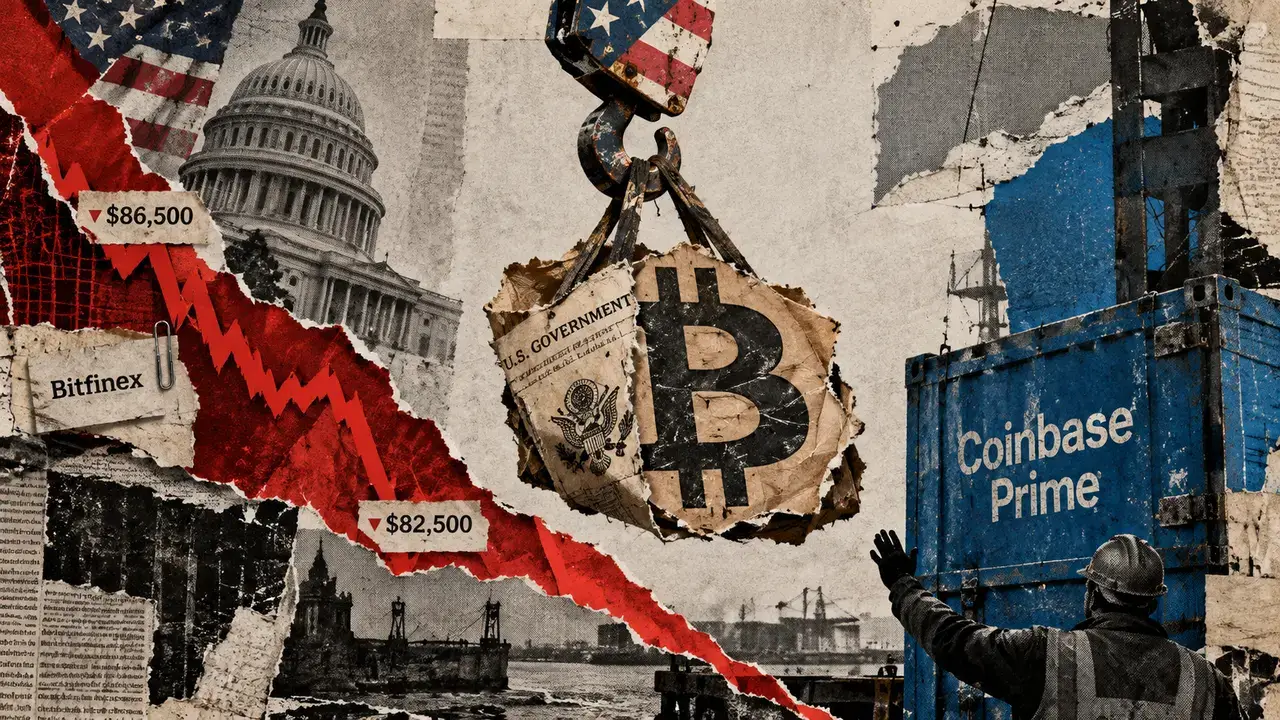
US government moves another $1 billion in Bitcoin as BTC slides $4,000
US government-linked wallets moved over $1 billion in Bitcoin on Oct. 8 as BTC prices fell and more coins reached Coinbase Prime....

U.S. Government Sends $1 Billion in Seized Bitfinex Bitcoin to Unlabeled Wallets
A wallet holding bitcoin stolen in the 2016 Bitfinex hack sent 12,267 BTC, worth about $1.01 billion, to new addresses on Thursday...

Thailand’s SEC finalizes rules for Bitcoin and Ether ETFs
Thailand's SEC crypto ETF rules enhance local market access, fostering domestic financial growth and investor protection while red...
Banking Giant Standard Chartered Expands Crypto Custody to Singapore
Standard Chartered is preparing to bring institutional crypto custody to Singapore, expanding its digital asset operations into an...

Coinbase and Gennius plan ONED USD stablecoin access through Latin American banks
Coinbase's partnership with Gennius could reshape Latin American banking by integrating stablecoins, enhancing financial inclusion...
‘We Know Where It Is’: Treasury Secretary Threatens To Freeze $1B of Iran’s Crypto
Bitcoin Magazine ‘We Know Where It Is’: Treasury Secretary Threatens To Freeze $1B of Iran’s Crypto U.S. Treasury Secretary Scott...