Google Unleashes “Nano-Banana”: The Game-Changer in AI Image Editing
What’s new? Google introduced Gemini 2.5 Flash Image—nicknamed Nano‑Banana—on August 26, 2025, integrating advanced image editing and generation into its Gemini ecosystem. It’s now rolling out across the Gemini app and t...
Archive context
Older archive item. Useful for background and entity history, but not a fresh market-moving signal.

- What’s new?
Google introduced Gemini 2.5 Flash Image—nicknamed Nano‑Banana—on August 26, 2025, integrating advanced image editing and generation into its Gemini ecosystem. It’s now rolling out across the Gemini app and to developers via Gemini API, AI Studio, and Vertex AI platforms. - What can it do?
- Natural language image editing: Want to blur backgrounds, remove stains, change someone’s pose, or even delete a person? Just ask.
- Multi‑image fusion & consistency: Seamlessly combine multiple images—drop a product into a new scene, keep characters or branding consistent across frames, or reinterpret diagrams with “world knowledge.”
- Iterative, conversational editing: Yes, you can have a back‑and‑forth conversation with your image edits—perfecting them step by step.
The model combines Gemini 2.5’s multimodal inputs, advanced reasoning, and speed with image generation technology, source: X
- Price tag?
On Google Cloud, it’s priced at $30 per 1 million output tokens, and with each 1024×1024 image burning ~1,290 tokens, that works out to about $0.039 per image. - Wider distribution & watermarking
Google partnered with OpenRouter and fal.ai, exposing Nano‑Banana to millions of developers. Meanwhile, every output—visible or invisible—carries a SynthID watermark and metadata tag to flag it as AI‑generated. - Why now, and how’s it stacking up?
OpenAI fired first in March 2025 by adding image generation to GPT‑4o, helping ChatGPT shoot past 700 million weekly users. Google counters with Gemini’s tighter monthly base of 400 million users as of August 2025. - Industry buzz & integration
- Gemini 2.5 Flash Image isn’t just on Google’s turf—it’s getting baked into Adobe Firefly, Firefly Boards, and Adobe Express, arriving for users September 1. They’ve promised up to 20 free experiments, with unlimited generations for paid tiers.
- The model is also being flexed in creative workflows by Poe (Quora), WPP, Freepik, Leonardo.ai, and Figma—all lauding its consistency, real-time responsiveness, and creative freedom.
- Concerns?
As expected, the more powerful these image tools become, the louder the deepfake and misinformation alarms get. Even with watermarking, the floodgates are open.
If you thought AI-image apps peaked with DALL·E or Midjourney, think again. Nano-Banana is a text-driven, multi-image, watermark-equipped Swiss Army knife for visuals. Google’s flexing hard—and it’s not just to play catch-up; it wants to redefine creative workflows.
Why this matters
This research story adds another data point to the current market tape and is useful when read alongside nearby source coverage.
Original source
Read on Brave New CoinRelated market context
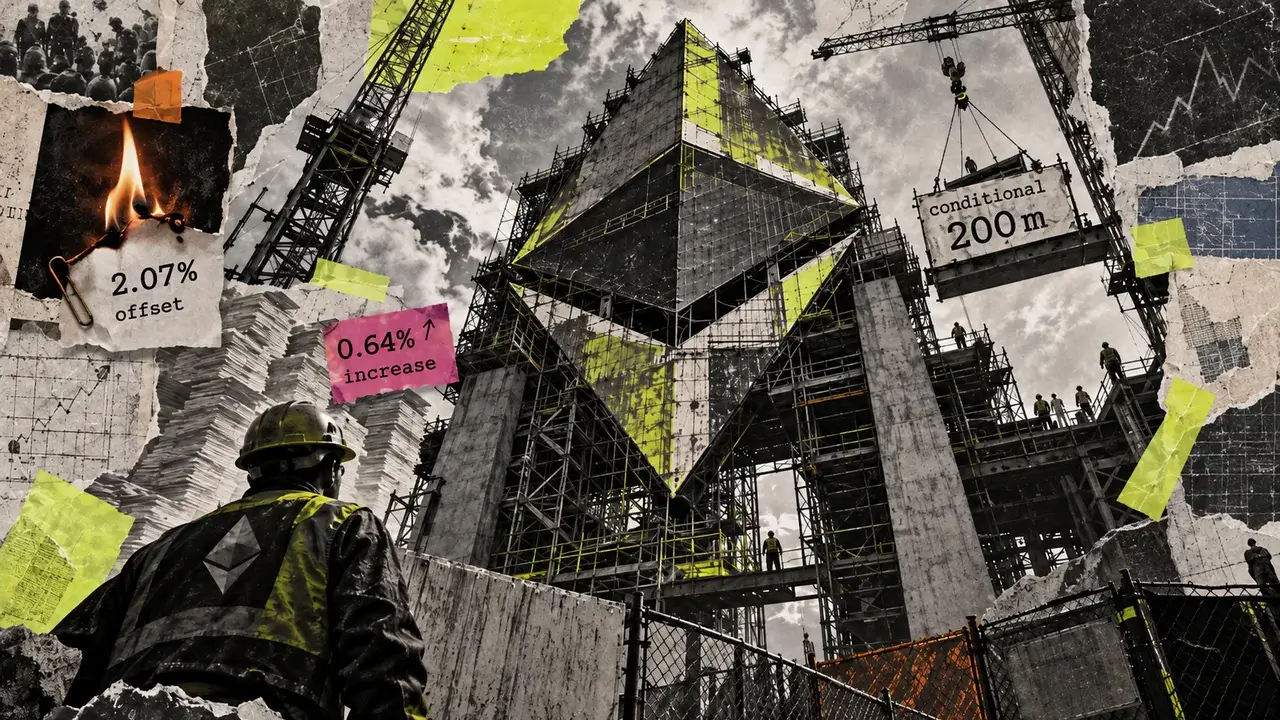
ETH fee burns cover just 2% of new coins printed in 2026
Ethereum's transaction fees have burned enough ETH to offset just 2.07% of the new coins issued in 2026, according to an Oct. 9 su...

What happens when crypto trades stocks while Wall Street sleeps?
Wall Street closes at 4 p.m., but apparently that's becoming more of a suggestion than a rule. You can now spend the evening watch...

This Sam Altman-Backed Life Insurer Runs Entirely on Bitcoin, and Just Raised $37.5 Million
The Bermuda-based insurer, which runs entirely on Bitcoin, drew the funding from existing backers led by Bain Capital Crypto after...

Ledger hack scare nears $90 million as Tether moves to freeze stolen USDT
Suspected Ledger wallet thefts are approaching $90 million as Tether freezes USDT stablecoin linked to the incident, according to...
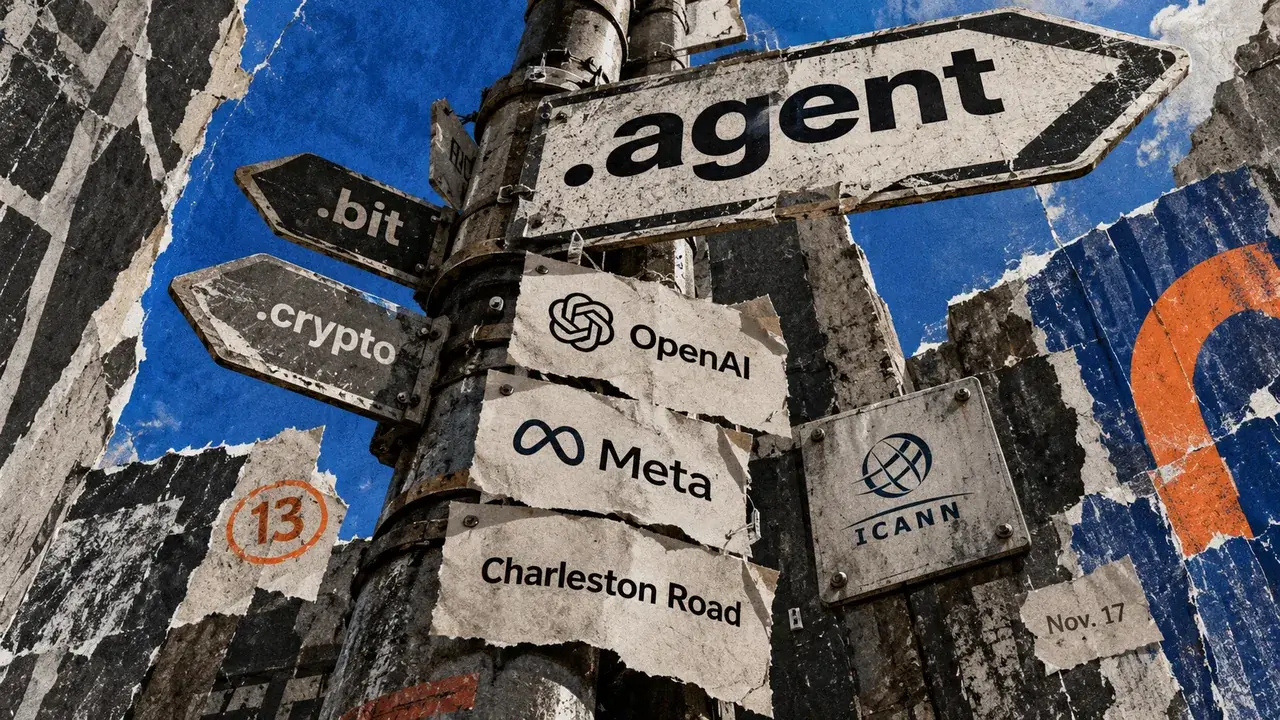
OpenAI, Google and Meta battle for AI internet domains as crypto firms target .bitcoin and .wallet
OpenAI, Google, and Meta are competing for AI-related internet domains as cryptocurrency firms pursue their own digital naming rig...

Bitcoin’s weekend rebound faces an $80,400 test after nearly $730 million in ETF outflows
Bitcoin traded near $82,900 in PerpFinder’s Oct. 10, 09:36 UTC snapshot, with traders watching whether the weekend rebound brings...