How Machine Learning is Revolutionizing Real-Time Forex Market Analysis
As we dive deeper into this topic, we’ll explore how machine learning transforms our approach to Forex market analysis. From identifying patterns to making split-second decisions, this technology is clearly reshaping the...
Archive context
Older archive item. Useful for background and entity history, but not a fresh market-moving signal.

As we dive deeper into this topic, we’ll explore how machine learning transforms our approach to Forex market analysis. From identifying patterns to making split-second decisions, this technology is clearly reshaping the trading landscape. Let’s uncover the impact of machine learning on real-time Forex market analysis and see how it’s changing the game for traders worldwide. While Forex trading relies heavily on advanced technology, other investment opportunities, such as under $5 coins, are also gaining attention for their potential high returns in the cryptocurrency market.
Understanding Machine Learning in Forex Market Analysis Definition and Core Concepts of Machine LearningMachine learning uses algorithms to analyze data patterns and make predictions. Core concepts involve supervised learning, unsupervised learning, reinforcement learning, and neural networks.
Overview of Forex Market AnalysisForex market analysis involves evaluating past and present data to forecast currency movements. Key methods include technical analysis, fundamental analysis, and sentiment analysis. For those interested in specialized insights, platforms like altsignals.io offer Gold Signals Groups, where traders can access expert signals and strategies tailored to maximize returns in the forex market.
Benefits of Machine Learning in Real-Time Forex Market AnalysisMachine learning is reshaping real-time Forex market analysis, bringing precision and enhancing various facets of trading. Let’s explore the key benefits.
Improved Predictive AccuracyMachine learning algorithms significantly boost predictive accuracy. By analyzing vast datasets, they identify subtle patterns and trends often missed by human analysts. These algorithms use techniques like supervised learning, where historical data trains models to predict future price movements accurately. Models refine themselves continuously, enhancing their forecasting reliability. This leads to better-informed trading decisions and higher potential returns.
Enhanced Speed and EfficiencyMachine learning transforms the speed and efficiency of analyzing Forex markets. Algorithms process and analyze data in seconds, allowing traders to react instantly to market changes. This real-time analysis aids in capturing fleeting opportunities, optimizing entry and exit points. Increased efficiency means traders save time on manual data processing, focusing more on strategic decision-making. The capability to handle large volumes of data swiftly also contributes to more comprehensive market insights.
Better Risk ManagementIncorporating machine learning into Forex trading bolsters risk management strategies. Advanced algorithms can assess risk levels by evaluating historical data, current market conditions, and predictive analytics. These insights help traders set more precise stop-loss orders and position sizing, reducing potential losses. Predictive models also foresee adverse market movements, enabling preemptive adjustments. Overall, machine learning enhances our ability to navigate volatile markets, ensuring safer trading experiences.
Key Machine Learning Techniques Used in Forex Analysis Supervised LearningSupervised learning involves training models on labeled data. We use this to predict future currency movements by analyzing historical Forex data. For example, linear regression models help identify trends and correlations.
Unsupervised LearningUnsupervised learning identifies hidden patterns without labeled data. Clustering algorithms, such as k-means, group similar currency pairs. These models enable us to uncover relationships within the Forex market that we might otherwise miss.
Reinforcement LearningReinforcement learning trains algorithms by rewarding them for correct actions. In Forex trading, we use it to optimize trading strategies. Models learn to make decisions by receiving feedback from their market performance, improving the overall trading tactics.
Case Studies and Real-World Applications Successful Implementations by Forex TradersVarious Forex traders have successfully implemented machine learning to enhance their trading strategies and market analysis. Notable names include Citadel LLC and Renaissance Technologies, known for leveraging machine learning algorithms to predict price movements and optimize trading execution.
Performance Metrics and OutcomesMachine learning impacts real-time Forex analysis by improving performance metrics like accuracy, speed, and profitability. Results show increased predictive accuracy, faster reaction times, and higher profit margins, driving better risk management and decision-making for traders.
Challenges and LimitationsMachine learning has transformed Forex market analysis, but it’s not without challenges.
Data Quality and AvailabilityHigh-quality, real-time data is essential for effective machine learning models. Inconsistent or outdated data can lead to inaccurate predictions. Additionally, obtaining vast, reliable datasets is often costly and time-consuming.
Model InterpretabilityUnderstanding machine learning model predictions is complex. Black-box models, such as deep learning, offer limited insight into their decision-making processes. This lack of transparency can hinder trust and regulatory compliance.
Algorithmic Trading RisksWhile machine learning improves trading efficiency, it doesn’t eliminate risks. Bugs in algorithms can cause significant financial losses. Moreover, reliance on automated systems can magnify market volatility during unexpected events.
Future Trends and DevelopmentsMachine learning is set to further transform real-time Forex market analysis. Let’s dive into emerging trends reshaping this domain.
Advanced Algorithms and TechniquesCutting-edge algorithms like deep learning and neural networks are refining Forex market predictions. These technologies enhance pattern recognition, leading to more accurate forecasting and trading strategies.
Integration with Other TechnologiesIntegrating machine learning with blockchain and big data analytics can offer more comprehensive market insights. This synergy improves transparency and data accuracy, crucial for real-time decision-making in Forex trading.
ConclusionMachine learning is undeniably transforming real-time Forex market analysis by offering unparalleled accuracy and speed. We can expect even more precise forecasting and improved decision-making by leveraging advanced algorithms and integrating with cutting-edge technologies like blockchain and big data analytics. While challenges remain, the benefits far outweigh the drawbacks, making machine learning an indispensable tool for modern Forex traders. As we continue to innovate and refine these technologies, the future of Forex trading looks more promising than ever.
Image design by rawpixel.com on Freepik
Why this matters
This research story adds another data point to the current market tape and is useful when read alongside nearby source coverage.
Original source
Read on Brave New CoinRelated market context
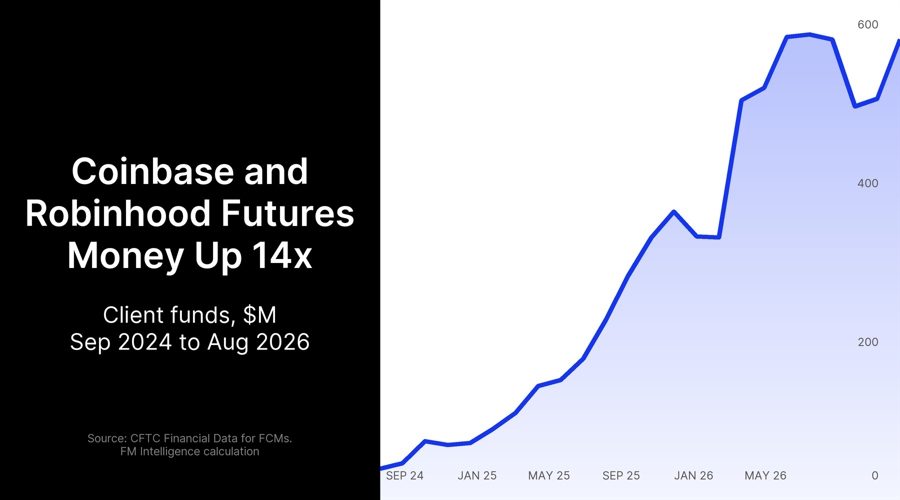
Coinbase and Robinhood Futures Arms Now Hold More Client Money Than the US Retail Forex Pool
The futures brokers of Coinbase and Robinhood held $581.4 million of segregated client money at the end of August. That is more th...

BTC price support holds ahead of US CPI data: Three things Bitcoin traders need to know this week
Bitcoin traders braced for inflation-based volatility after BTC price action preserved key weekly support around $82,500.

SUI Crypto Up +2% Following $30M DATA Network Investment
SUI crypto trades at $1.12, up +2.2% over 24 hours, as traders weigh a sharp recent rebound against overhead resistance. The Sui F...
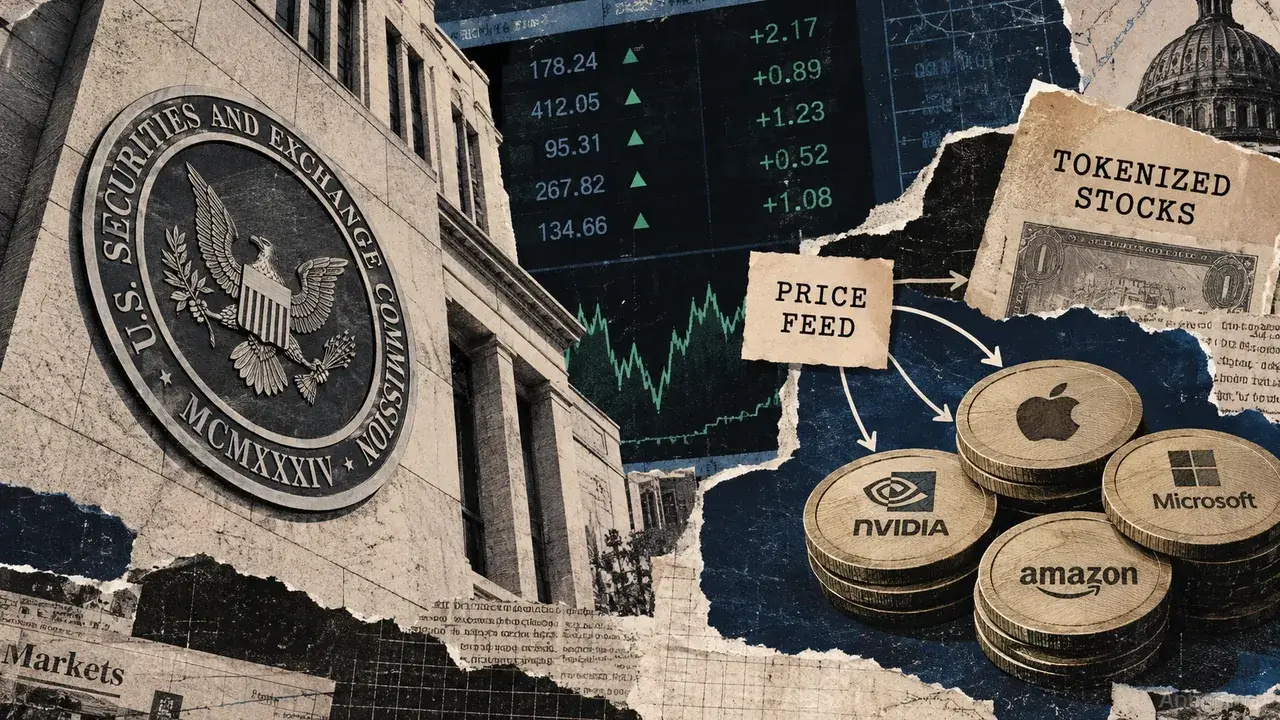
Tokenized stocks can carry the same rights without the same trading protections
Tokenized stocks eligible for the SEC’s September exemption must carry equivalent shareholder rights, yet their trading venues can...

Australia’s ASIC seeks to extend trading protections to crypto-settled products
ASIC's updated CFD safeguards could reshape digital asset trading, impacting market strategies and regulatory compliance for broke...

Most Tokenized Stock Trading Happens Outside U.S. Market Hours, IMF Finds
More than half of all trading in tokenized U.S. stocks happens while Wall Street is closed, according to new data from the Interna...