“Just Crypto Dust”: South Korean Lawmakers Sell off Coins Amid Scandal
According to Sisa Journal, many prominent MPs have sold cryptocurrencies from their wallets. This controversy involves former lawmaker Kim Nam-guk charged for insider trading and using private information to deal with cr...
Archive context
Older archive item. Useful for background and entity history, but not a fresh market-moving signal.

According to Sisa Journal, many prominent MPs have sold cryptocurrencies from their wallets.
This controversy involves former lawmaker Kim Nam-guk charged for insider trading and using private information to deal with cryptocurrencies. Such claims have prompted MPs to publicly announce their current crypto-holding status before elections.
The latest move by lawmakers in South Korea to distance themselves from crypto ownership reflects the mounting conflict between digital assets and public confidence. Government officials now must negotiate a more complicated regulatory environment when deeper problems with insider trading and mishandling of digital assets are revealed as political scandals.
Insider Trading Shakes ParliamentDemocratic Party legislator Kim Jun-hak sold $85,700 bitcoin holdings shortly after disclosing his assets. The move coincides with increased scrutiny of politicians involved in crypto trading activities, notably in light of the “Coin Gate” scandal.
Lawmaker Park Chun-kwan of the People’s Party declared that she was holding 58.8 million Solana (SOL) worth $44,128. Later, he revealed that he had sold all of his crypto assets in February 2023. Like many of his counterparts, Cheon Ha-ram of the New Reform party has admitted to possessing wallets filled with crypto coins received via airdrops.
In an interview with Sisa Journal Cheon Ha-ram said, “I sold everything that could be sold. I am left with only small amounts of scrap that cannot be traded. I knew my wife was trading coins, but I never got involved and I didn’t know which type of coin she traded and how much.”
According to Sisa Journal, just 36 of 300 National Assembly officials declared having cryptocurrencies with a non-zero value before the election on April 10. Nevertheless, these disclosed holdings represent only 0.01% of the entire asset value of all lawmakers.
The legislators’ cryptocurrency sell-off appears to be the direct consequence of public pressure and scandals that have shaken the political landscape. For example, the media site reported that several MPs disposed of their airdropped coins shortly after receiving them to prevent allegations of impropriety.
The story revolves around Kim Nam-guk, a legislator accused of using cryptocurrency to hide his assets. He is currently being investigated for reportedly concealing $7.5 million in assets through crypto wallets. This transaction was made to conceal his wealth from authorities, escalating the debate over the ethical usage of cryptocurrencies by public officials.
People Demand Answers in Social MediaThe crypto sell-off by numerous MPs indicates that the scandal will have a significant impact on the way lawmakers deal with digital currencies. Despite the politicians’ statements claiming they simply possess a tiny amount of cryptocurrencies, the public and media remain skeptical.
As stories of these cryptocurrency-related concerns spread, social media became a bustling hub of debate, with many people expressing their views on X (formerly Twitter). Hashtags like #CoinGate and #CryptoScandal are now trending in South Korea, with posts ranging from humorous remarks about MPs’ claims to hold just “crypto dust” to serious demands for greater transparency. Many of them believe that the sell-offs are simply a cover-up in response to rising political and legal pressure.
As the investigation against Kim Nam-guk and other politicians progresses, it becomes evident that South Korea’s judicial system is struggling to cope with the issues posed by digital assets in the public sector. With the people’s trust being jeopardized, Government official’s views on cryptocurrency regulation remains uncertain.
This is a sponsored article. Opinions expressed are solely those of the sponsor and readers should conduct their own due diligence before taking any action based on information presented in this article.
Why this matters
This research story adds another data point to the current market tape and is useful when read alongside nearby source coverage.
Original source
Read on Brave New CoinRelated market context
Moscow Exchange to Launch Bitcoin Trading, Testing Underway
Bitcoin Magazine Moscow Exchange to Launch Bitcoin Trading, Testing Underway The Moscow Exchange plans to let clients trade crypto...
South Korean Lender Jeonbuk Bank to Offer Bitcoin-Backed Loans
Bitcoin Magazine South Korean Lender Jeonbuk Bank to Offer Bitcoin-Backed Loans Jeonbuk Bank has become the first bank in South Ko...

South Korea’s Jeonbuk Bank Lends Won Against Bitcoin, Using Court Sales for Defaults
Jeonbuk Bank, a regional South Korean lender, has extended a corporate loan in won secured by Bitcoin, under a setup in which the...
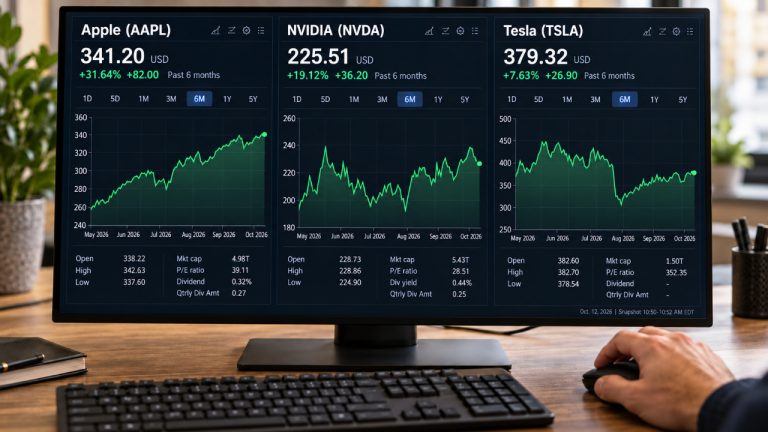
Bybit Brings 1,000+ US Stocks and ETFs Into Crypto Trading Accounts
Eligible Bybit users can now trade U.S. equities in the accounts they already use for cryptocurrency trading. The service connects...

China Crypto Strategy Expands as Beijing Backs National Blockchain Network
China announced crypto plans for a national blockchain network. The proposal appeared in a policy document from the Communist Part...

Most Tokenized Stock Trading Happens Outside U.S. Market Hours, IMF Finds
More than half of all trading in tokenized U.S. stocks happens while Wall Street is closed, according to new data from the Interna...