OpenAI’s GPT-5 Debuts: Impressive, Profitable, and Still Not Quite Human
OpenAI says GPT-5 outclasses its predecessors in four key areas: Fewer hallucinations – the bot still makes stuff up, just a little less often. Sharper code – it can spin up functional websites and apps in a single sitti...
Archive context
Older archive item. Useful for background and entity history, but not a fresh market-moving signal.
OpenAI says GPT-5 outclasses its predecessors in four key areas:
- Fewer hallucinations – the bot still makes stuff up, just a little less often.
- Sharper code – it can spin up functional websites and apps in a single sitting.
- Bigger creative muscle – poems that almost scan and plotlines that actually resolve.
- Polite non-compliance – instead of a hard “No,” GPT-5 tries to be helpful within policy, or at least explains why it won’t break bad.
Users willing to hand over Gmail, Calendar, and Contacts can let ChatGPT act as a digital concierge, booking tables, ordering gifts, or gently reminding you that your mother-in-law’s birthday is coming.
On top of text, image, and voice generation, GPT-5 now claims a bedside manner: it will proactively flag possible health concerns. OpenAI insists it’s not a doctor replacement, but you can bet millions will treat it like Dr. Chat anyway.
Altman’s hedged bet on AGISam Altman, OpenAI’s CEO, hailed GPT-5 as “generally intelligent” yet admitted it’s still “missing something quite important, many things quite important.” Chief among the gaps: true continuous learning. Today’s model freezes at deployment; it doesn’t iterate on fresh data in real time like, say, you doom-scrolling Twitter.
That caveat matters because OpenAI’s own definition of AGI involves outperforming humans at “most economically valuable work.” Until the system can learn on the fly, the finish line remains blurry, and conveniently movable.
Jobs on the chopping blockIf you’re billing by the hour in an air-conditioned office, brace yourself. Dario Amodei of Anthropic recently mused that half of all entry-level white-collar roles could vanish within five years. Lawyers, accountants, junior bankers, anyone whose job boils down to reading, summarizing, and regurgitating, should polish their résumés with verbs like “prompt-engineering.”
GPT-5’s soft-skills revamp might even erode the moat around therapists and life coaches, though Nick Turley, OpenAI’s ChatGPT lead, assures us the model is now “significantly less sycophantic.” Translation: it won’t just echo your bad ideas back at you with heart-eye emojis.
Follow the moneyInvestors, smelling trillion-dollar upside, are throwing cash at anything that whispers “AGI.” Rumor has it OpenAI is arranging a secondary share sale that could peg its valuation at $500 billion, above SpaceX and closing in on Visa. Remember, the company doesn’t sell widgets; it sells tokens and $200-a-month Pro subscriptions. Free users get throttled, which feels a bit like test-driving a Ferrari with the speed limiter on.
Elsewhere, Google’s DeepMind teased an unreleased “world model,” while Meta’s Mark Zuckerberg claimed superintelligence is “now in sight.” It’s a sprint, a marathon, and a PR spectacle rolled into one, fuelled by cloud-compute contracts and fear of missing out.
The contrarian takeYes, GPT-5 is a leap. But calling it “generally intelligent” feels like congratulating a calculator for passing kindergarten arithmetic. Real-world intelligence isn’t just about spitting out code snippets or haikus on demand; it’s about forming durable mental models, updating them continuously, and acting autonomously in messy environments. Until a model can learn mid-conversation, persuade a cat to take its medicine, or file quarterly taxes without exploding, humans still have a tenuous edge.
OpenAI’s own admission that GPT-5 lacks online learning underscores the point: this is still a static brain in a dynamic world. Impressive, yes. Autonomous, no.
Where we go nextExpect a flood of GPT-5-powered copilots grafted onto every productivity suite imaginable. Expect regulators to fret about deepfake phone scams that sound exactly like your CEO. And, inevitably, expect GPT-6 rumors by Christmas, because in AI, nothing ages faster than last quarter’s breakthrough.
For now, savor the novelty: a chatbot that flatters you less, codes a little cleaner, and only occasionally pretends to know things it doesn’t. Just don’t hand over your livelihood to it quite yet. To borrow Altman’s words, we’re “missing something quite important.” Odds are, that something is still us.
Why this matters
This research story adds another data point to the current market tape and is useful when read alongside nearby source coverage.
Original source
Read on Brave New CoinRelated market context

Being right about Bitcoin won’t save your 3x leveraged ETF position
Bitcoin's next recovery could vindicate your investment thesis but leave your leveraged fund deep in the red, because the fund's d...

Sam Altman ChatGPT AI Predicts Bitcoin to Hit Insane All-Time High in 2026
Sam Altman’s ChatGPT AI predicts Bitcoin could reach a new all-time high in 2026, nearly doubling its October 2025 high of $126,00...

What happens when crypto trades stocks while Wall Street sleeps?
Wall Street closes at 4 p.m., but apparently that's becoming more of a suggestion than a rule. You can now spend the evening watch...
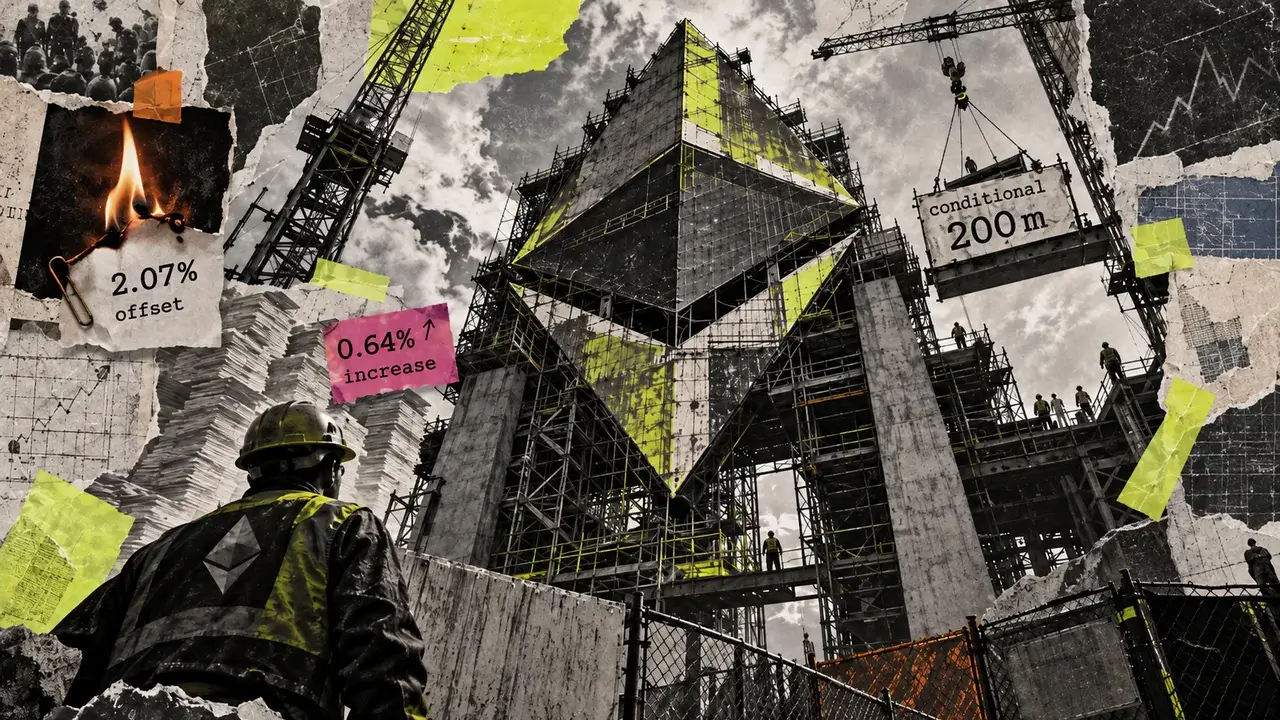
ETH fee burns cover just 2% of new coins printed in 2026
Ethereum's transaction fees have burned enough ETH to offset just 2.07% of the new coins issued in 2026, according to an Oct. 9 su...
This Sam Altman-Backed Life Insurer Runs Entirely on Bitcoin, and Just Raised $37.5 Million
The Bermuda-based insurer, which runs entirely on Bitcoin, drew the funding from existing backers led by Bain Capital Crypto after...
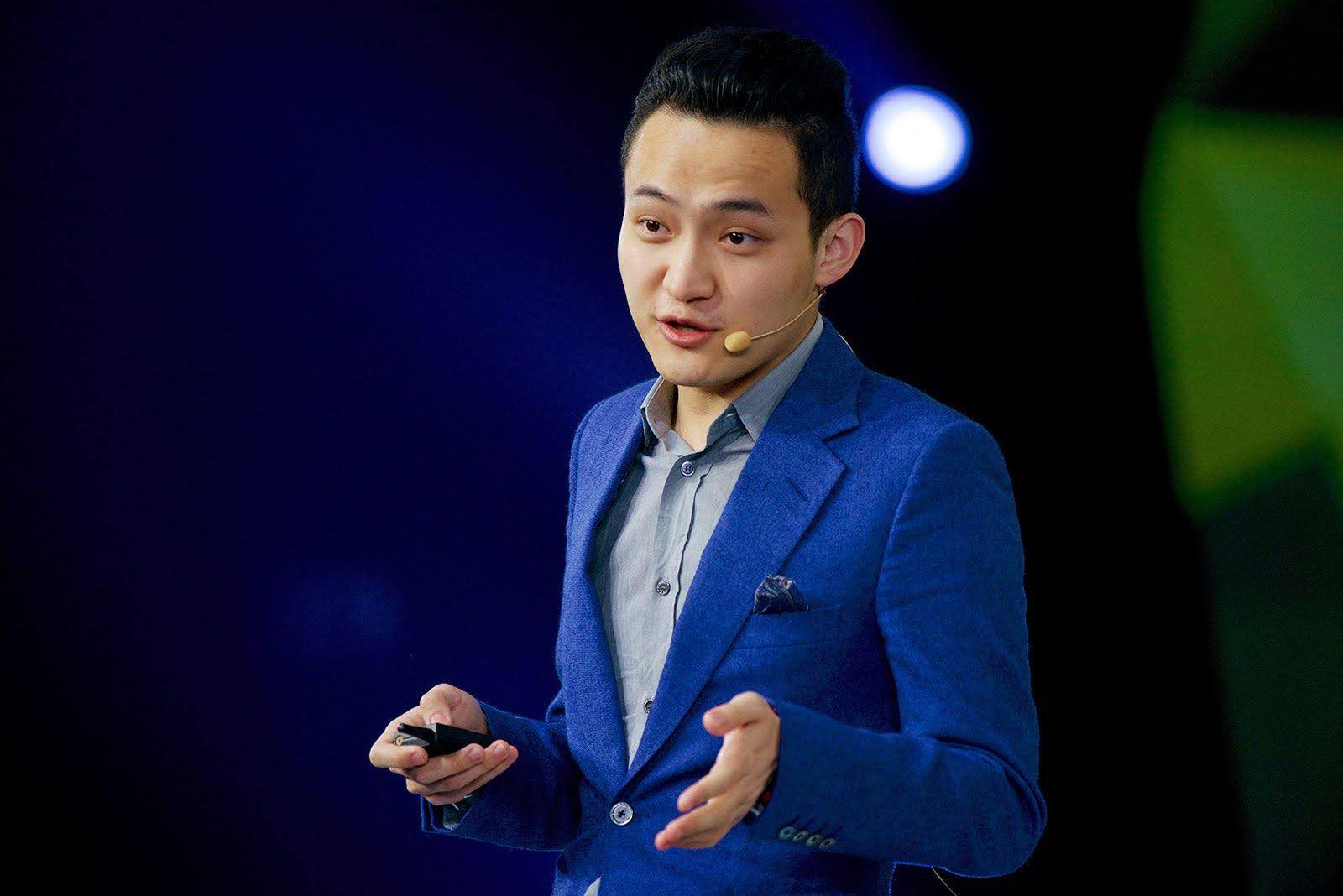
Justin Sun’s $2.25B Crypto Portfolio Includes $1.09B in SUSDS Across 10 Blockchains
Key Takeaways: Earlier, Arkham reported that it tracks around $2.25 billion worth of on-chain assets for Justin Sun, spanning 10 d...