The Bukele Effect: Unraveling the Consequences of a Presidential Resignation
At the beginning of December, just two months before El Salvador’s next presidential election, President Najib Bukele relinquished his leadership of the country. This came as a surprise to the rest of the world who are l...
Archive context
Older archive item. Useful for background and entity history, but not a fresh market-moving signal.

At the beginning of December, just two months before El Salvador’s next presidential election, President Najib Bukele relinquished his leadership of the country. This came as a surprise to the rest of the world who are largely unfamiliar with the quirks of the Salvadoran political system. In this article, we’ll discuss what this means for Bukele and El Salvador going forward.
Bukele is a charismatic populist leader renowned for his strong challenges against the country’s drug and gang problem. He has worked hard to restore a positive growth outlook and made Bitcoin legal tender in El Salvador in 2021. His approach has garnered a lot of attention both domestically and abroad. While he has faced international criticism, (not unfounded) for going against the grain, he’s largely been praised at home for restoring civil order and prioritizing safety and economic well-being.
The Political LandscapeThe political landscape in El Salvador has entered a critical phase in the lead-up to the presidential election in February. Bukele announced his resignation from the presidency on Dec 1st. Claudia Juana Rodriguez de Guevara has subsequently been appointed as the new official president of El Salvador.
Bukele’s resignation officially frees up the president to focus the next several months of his attention on a re-election campaign. The move is considered a formality, as consecutive-term presidencies are expressly prohibited by the Constitution of El Salvador. Bukele, who has garnered popularity both from the people of El Salvador, but also from the inner workings of government, was granted a six-month leave of absence to pursue the presidency again by 67 of the 84 deputies in Congress.
Bukele will be joined on the campaign trail by his now ex-vice president Félix Ulloa, who is also seeking re-election and has appointed Juana as the new interim president. This, however, is another point of contention among Bukele’s critics.
Enter Claudia JuanaWho is Claudia Juana? According to the Constitution, Bukele had to present a shortlist of candidates to replace him during the allotted six-month leave before the expected commencement of the next term.
However, he only proposed one person: Claudia Juana Rodríguez de Guevara, his private secretary who oversees his financial activities. Claudia however, is more than a glorified bean counter and has overseen several prominent roles within the government such as the president of the Board of Directors of the National Directorate of Municipal Works (DOM), an institution responsible for handling the country’s budget. Nevertheless, the position is mere pageantry, and Bukele will continue to pull the strings from behind the curtain.
The saga dates back to September 2021, when Bukele’s reelection bid was given the green light when the Constitutional Chamber of the Supreme Court elaborated an interpretation of the text that allows a sitting president to participate in the elections if he is on leave from office at least six months before the vote.
This type of move is not unprecedented in Latin America. Two notable examples are ex-Honduran leader Juan Orlando Hernández, who retired in 2022 after two consecutive terms, and Nicaraguan President Daniel Ortega who has been the country’s leader since 2007 using the exact same tactic to remain in power. The six-month leave granted to Bukele was the last requirement the president needed in order to begin campaigning for the February 4 elections. The Salvadoran Supreme Court made the decision and ratified the change in policy taking special account of Bukele’s popularity and success thus far.
Under the president’s admittedly controversial state of exception, gang violence has fallen to widespread approval. This is despite the multiple reports of human rights violations in prisons, arbitrary detentions, and short-term forced disappearances. The president has the justice system and the polls on his side and is also facing an opposition that is weighed down by corruption cases and has little popular support. Critics argue that Bukele’s actions are unconstitutional, and are voicing support for respect for common norms. However, in a country that has been mired in turmoil since the 70’s the implications of ‘normal’ are unclear, and as The Economist put it “He subverts the system, but remains popular”. Bukele has masterfully appeared to restore the faith of the populous in their ability to rejuvenate the country and reignite its former glory.
This election will be a crucial juncture, testing both the constitution’s resilience and the nation’s democratic foundations while testing the power of the people to proactively and collectively decide the future direction of their nation. Bukele, despite his detractors, has united the majority of the people and planted seeds of restoration, and for the first time in a half-century, they are on the cusp of breaking through. Bukele, if re-elected will embark on extremely ambitious infrastructure and economic reforms that aim to set the country up for decades of flourishing.
Volcan Capital is a boutique asset management and investment company headquartered in the future: El Salvador. The company has been established to assist international capital looking for either a geopolitical hedge or growth prospects in this emerging market: in other words, the Singapore or Dubai of 40 years ago.
A range of investment opportunities are available for discovery in El Salvador, across various sectors including energy and manufacturing, textiles and apparel, business services, and tourism, as well as aeronautics and agriculture. To learn more about Bukele’s plans for economic growth → read Volcan Capital’s Research Report.
Why this matters
This research story adds another data point to the current market tape and is useful when read alongside nearby source coverage.
Original source
Read on Brave New CoinRelated market context
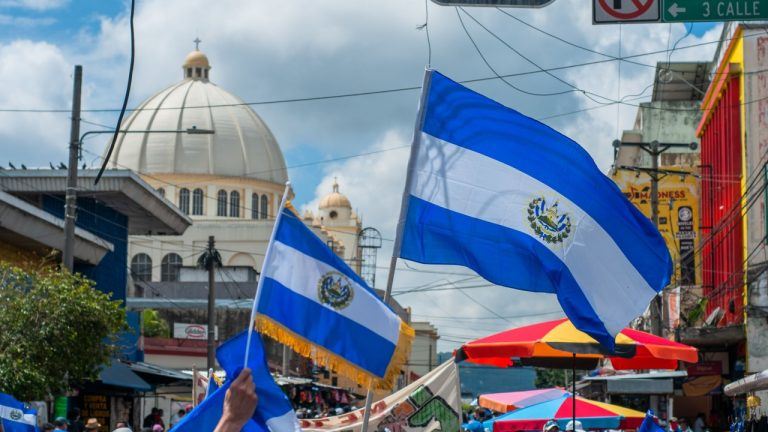
Former Visa and JPMorgan Execs Take Over El Salvador’s Chivo Wallet
According to Lionguard Labs, the new Chivo wallet will offer Salvadorans a comprehensive suite of services, including wallet-activ...
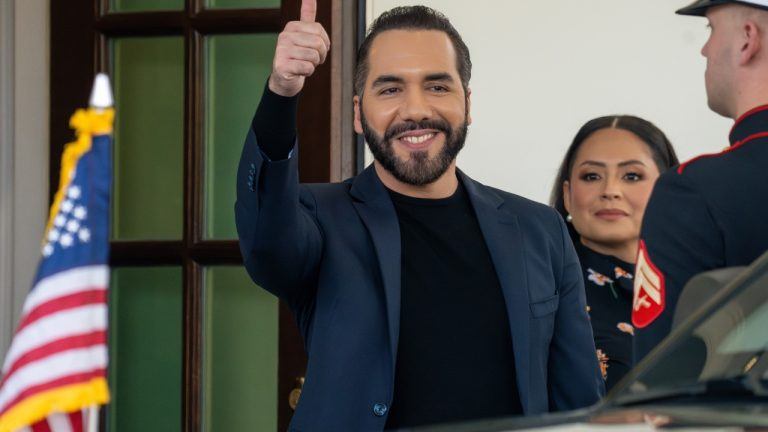
El Salvador Defies IMF Waiver Terms to Stack More Bitcoin Daily
According to the country’s Bitcoin Office, the one-bitcoin-a-day accumulation strategy has continued, even after the IMF stressed...

Bitcoin Price Prediction: Can BTC USD Hold $82K Ahead of Next Week’s CPI Drop?
Bitcoin price prediction notes a brief recovery on Saturday, October 10, but the market remains poised for a weekly loss as rising...

Bank of England says it will be ‘the banker to the stablecoin’
The Bank of England's support for stablecoins could enhance financial stability and innovation, influencing global regulatory appr...
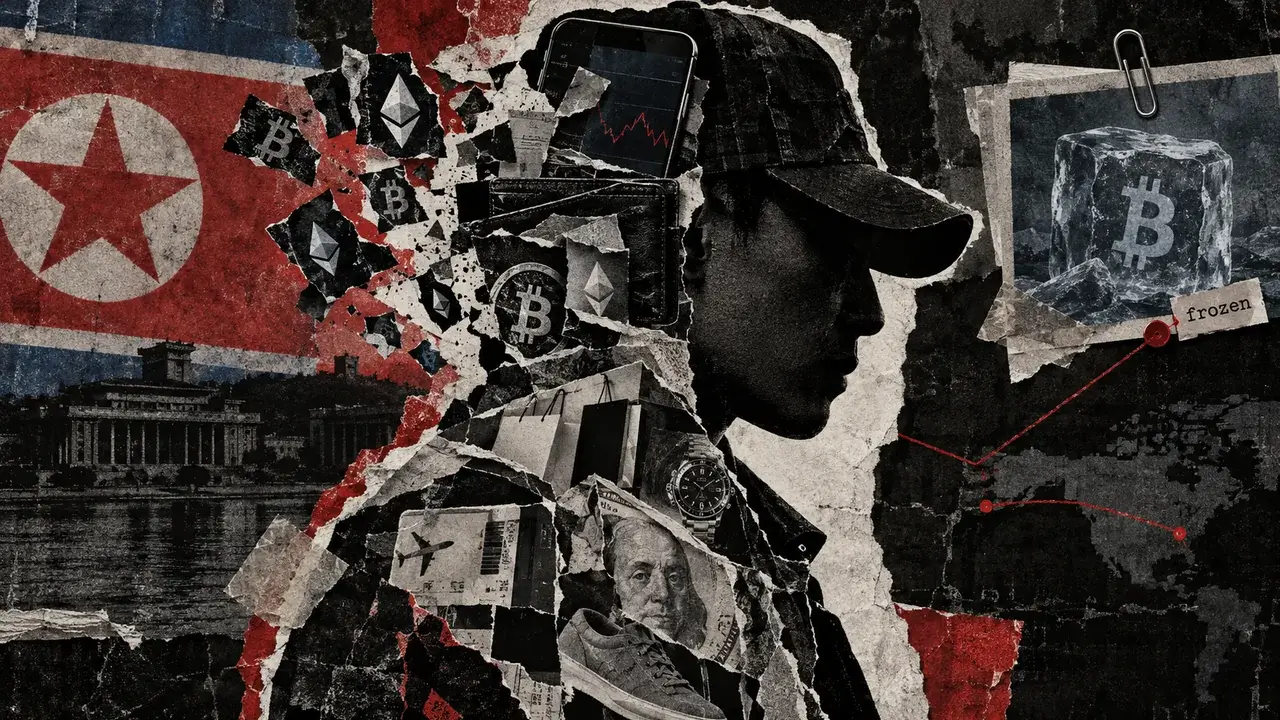
Stealing $1.5B in crypto is easy, cashing out is the trap
North Korean hackers stole around $1.5 billion from Bybit in February 2025. While the hack itself has been widely covered and anal...
‘We Know Where It Is’: Treasury Secretary Threatens To Freeze $1B of Iran’s Crypto
Bitcoin Magazine ‘We Know Where It Is’: Treasury Secretary Threatens To Freeze $1B of Iran’s Crypto U.S. Treasury Secretary Scott...