Tornado Cash Trial Begins with Discussions around Motions In Limine and Data Custodians
Bitcoin Magazine Tornado Cash Trial Begins with Discussions around Motions In Limine and Data Custodians The Tornado Cash trail commenced today in the Southern District of New York (SDNY). UPDATE #1 FROM DAY 1 OF TORNADO...
Archive context
Older archive item. Useful for background and entity history, but not a fresh market-moving signal.
Bitcoin Magazine
Tornado Cash Trial Begins with Discussions around Motions In Limine and Data Custodians
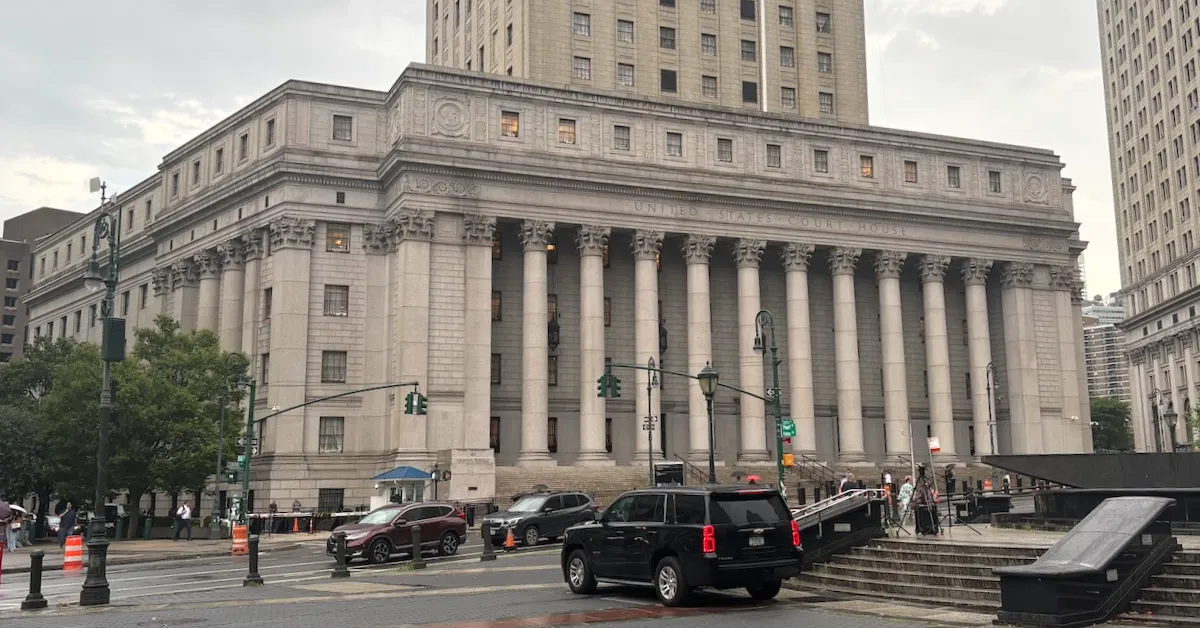
The Tornado Cash trail commenced today in the Southern District of New York (SDNY).
UPDATE #1 FROM DAY 1 OF TORNADO CASH TRIAL pic.twitter.com/3YduuDEFGp
— Frank Corva (@frankcorva) July 14, 2025Only during the first 90 minutes of the day did Judge Failla, the judge presiding over the trial, engage with the prosecution and defense in front of the courtroom. The rest of the day was dedicated to the jury selection process.
The judge commenced the session by discussing three remaining motions in limine from the defense, including one regarding an opposition to data extraction from Tornado Cash co-founder Alexey Pertsev’s mobile phone and another regarding a Brady request by the defense.
Motion In Limine #1: Data Extraction from Persev’s PhoneBoth in a status conference on Friday and in a letter sent to to the court over the weekend, the defense called into question the integrity of the data extracted from the phone of Alexey Pertsev, the Tornado Cash co-founder who has been sentenced to 64 months in prison in The Netherlands due to money laundering charges related to Tornado Cash.
It claimed that some of the messages in the data, particularly Pertsev’s Telegram messages, lacked context, and therefore shouldn’t be admissible.
The defense referenced one message in particular, a quote misattributed to Pertsev: “Heya, anyone around to chat about axie? Would like to ask a few general questions about how one goes about cashing out 600 mil.”
The message referred to the $600 million crypto exploit of the online game Axie Infinity, funds from which were laundered through Tornado Cash. What the court records didn’t originally show was that this message was forwarded from a CoinDesk reporter to the defendant, Roman Storm, from Pertsev.
The judge addressed the issue but stated that it wasn’t a basis to exclude the rest of the data extracted from Pertsev’s phone from the body of evidence in the case.
Motion In Limine #2: Denying the Defense’s Brady RequestJudge Failla also denied the defense’s recent Brady request. (This type of request is named after the Brady v. Maryland Supreme Court case, which took place in 1963. The case established the Brady rule, which stipulates that exculpatory evidence be provided to the defense so that it can be utilized as a part of due process.)
“The idea that there’s more exculpatory information is highly unlikely,” said Judge Failla.
The defense didn’t push back on the judge’s decision.
Calling into Question the Legitimacy of the Data Provided by CustodiansSome of the data that the prosecution plans to use as evidence in the case was provided by companies including Apple, X, and Dragonfly (the venture capital firm that invested in Tornado Cash).
The defense questioned the legitimacy of the data provided in light of the recent discovery of the misattributed Telegram message.
It requested that representatives from these companies testify during the trial on the legitimacy of the data.
Judge Failla denied this request, stating that such testimonies were unnecessary.
The defense accepted the denial as it pertained to Apple and X but pushed back in support of the request as it pertained to Dragonfly, calling to question the relevance of the data Dragonfly provided as well as the devices from which the data was obtained.
Issues over the Dragonfly Telegram MessagesThe defense claimed that the Telegram messages from Dragonfly employees that the company turned over to the court should not be included in the body of evidence (while also stating that the Tornado Cash deal documents the company turned over were okay to include).
To this, the prosecution admitted that some of these Telegram messages contained hearsay but explained that the messages also contained information about Tornado Cash business dealings and that, therefore, they shouldn’t be excluded from the body of evidence.
Judge Failla then cited a ruling from U.S. vs El Gammal, a second circuit court case from 2020 that stipulated that Facebook records were business records, in defense of keeping the messages as part of the body of evidence.
The prosecution also cited U.S. vs. Figueroa, a case from 2023 in which the court decided it was legal to admit business records that are legal in certain contexts, claiming that the Telegram messages that the court had obtained are both business records and relevant to the case.
In a final statement on the matter, the defense claimed that it was only speculation that the devices from which the Telegram messages were obtained were company-owned devices.
Judge Failla, notably flustered by this statement, stated that the defense had no basis for this claim and that she had certification that stated that the phones were in fact company devices.
The prosecution added that the records Dragonfly produced were in response to a grand jury subpoena, alluding to the notion that it would have been unlikely that Dragonfly chose to perjure itself over such a matter.
Jury SelectionThe jury selection process began at 11:15 AM EST and lasted for the remainder of the day.
Approximately 45 of the 90 potential jurors addressed the court and/or spoke with the judge in a sidebar session.
The jury selection process will resume tomorrow at 9:00 AM EST.
If time permits, the prosecution and defense will make their opening statements later in the day tomorrow.
This post Tornado Cash Trial Begins with Discussions around Motions In Limine and Data Custodians first appeared on Bitcoin Magazine and is written by Frank Corva.
Why this matters
This research story adds another data point to the current market tape and is useful when read alongside nearby source coverage.
Original source
Read on Bitcoin MagazineRelated market context
Crypto Long & Short: Zcash and the case for privacy in the age of AI
AI has made it cheap to link wallet addresses to the people behind them, and the permanence of the blockchain means records don’t...

Federal judge dismisses privacy lawsuit against Crypto.com over cookie tracking
The dismissal highlights the challenge of proving concrete harm in privacy lawsuits, impacting future litigation strategies in dig...

Winklevoss twins pitch a low-fee spot Zcash ETF at Token2049
The Winklevoss twins' low-fee Zcash ETF proposal could intensify competition, potentially driving down costs in the cryptocurrency...
US government moves $470 million in seized crypto to Coinbase wallets, raising Bitcoin sale questions
The US government moved about $470 million in seized crypto to likely Coinbase Prime addresses, according to Arkham, reviving ques...

Winklevoss Zcash ETF Filing Brings Privacy Coin Exposure To Nasdaq
TL;DR: Winklevoss Asset Services has filed an S-1 with the SEC for the Winklevoss Zcash ETF, a proposed Nasdaq-listed product desi...
Solana’s monthly active programs top 8,400 in September, per onchain data
Solana's growth in active programs signals increased developer engagement, potentially boosting its ecosystem's innovation and use...