Aztec Legacy Exploit Shows The Long Tail Risk Of Deprecated Crypto Contracts
Old smart contracts can remain dangerous long after a protocol has moved on. A SlowMist analysis of a $2.19 million theft from Aztec Connect has put that problem back in focus. The affected contract was part of a depreca...
Archive context
Older archive item. Useful for background and entity history, but not a fresh market-moving signal.

Old smart contracts can remain dangerous long after a protocol has moved on.
A SlowMist analysis of a $2.19 million theft from Aztec Connect has put that problem back in focus. The affected contract was part of a deprecated legacy system, not the active Aztec network, but the incident is still an important warning for DeFi users and developers.
TL;DR- SlowMist analyzed a $2.19 million exploit affecting Aztec Connect’s deprecated legacy infrastructure.
- The active Aztec network was not described as compromised in the primary analysis.
- The issue highlights the risk of immutable contracts that remain on-chain after a product has been sunset.
- For users, the lesson is simple: old protocol interfaces and abandoned contracts can still carry live financial risk.
In traditional software, a discontinued product can often be patched, shut down, or fully removed from user reach. On-chain systems are different. If a smart contract is immutable and still holds assets or permissions, it may continue to exist as a live attack surface.
That is the uncomfortable lesson from the Aztec Connect exploit analyzed by SlowMist. The contract was part of a legacy system that had already been deprecated, but attackers were still able to target it. Reports around the incident have also pointed to additional legacy-contract concerns, but the cleanest primary source supports the $2.19 million Aztec Connect case.
That distinction matters. This is not a story about the current Aztec network being compromised. It is a story about the long tail of old smart contracts, where users may assume risk has disappeared simply because a product is no longer promoted.
The immutability trade-offCrypto often treats immutability as a feature, and in many ways it is. Users do not want protocol operators to rewrite rules whenever market conditions become inconvenient. But immutability has a second side: if a flawed or exposed contract cannot be paused or upgraded, developers may have little room to intervene when something goes wrong.
Aztec’s legacy issue fits that broader trade-off. Deprecated infrastructure can remain on-chain even when the team has moved to newer systems. If users leave funds behind or continue interacting with old contracts, the protocol’s current development roadmap may not protect them.
This creates a messy security problem for DeFi. Developers can post warnings, wind down interfaces, and recommend migrations, but they may not be able to erase every old contract. Attackers, meanwhile, can keep scanning for assets, edge cases, and forgotten permissions.
What traders and users should watchFor everyday users, the practical lesson is to treat old contracts with caution. A familiar protocol name does not automatically mean an old interface or bridge remains safe. Before interacting with any legacy contract, users should check whether the protocol still supports it, whether funds are still being monitored, and whether an official migration path exists.
For developers, the incident is a reminder that sunset plans need to be part of protocol design. Deprecating a system is not the same as removing risk. Clear warnings, withdrawal windows, monitoring, and emergency procedures all matter, especially when admin controls are intentionally limited.
The key point is not that immutable code is bad. The key point is that immutability makes operational discipline more important. Once code is live and unchangeable, abandoned infrastructure can become part of the security perimeter for years.
This article was written by the News Desk and edited by Samuel Rae.
This report is based on information from SlowMist. at SlowMist
Why this matters
This maps to the Security Incidents hub, so it can help confirm whether that theme is gaining breadth across the crypto news cycle.
Original source
Read on NewsBTCRelated market context
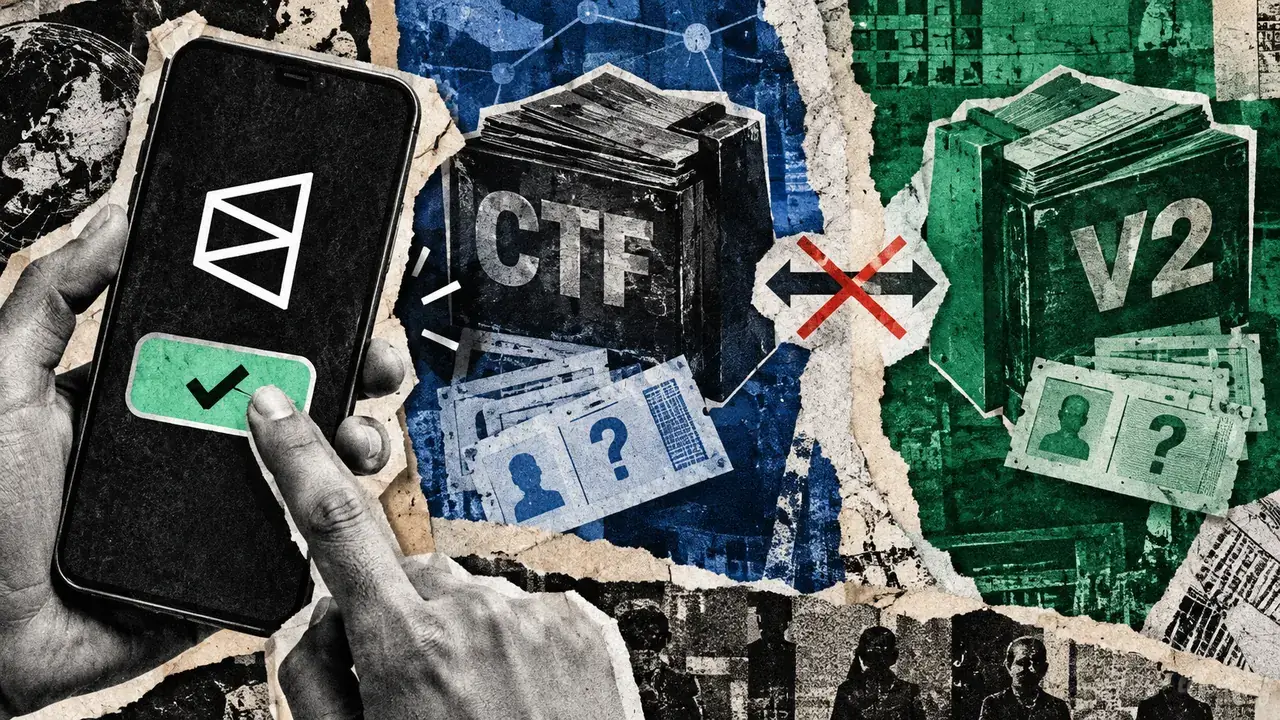
Polymarket’s upgrade won’t automatically move existing bets to new contracts
Polymarket’s Protocol V2 rollout does not automatically move existing bets held under its older Conditional Tokens Framework, or C...
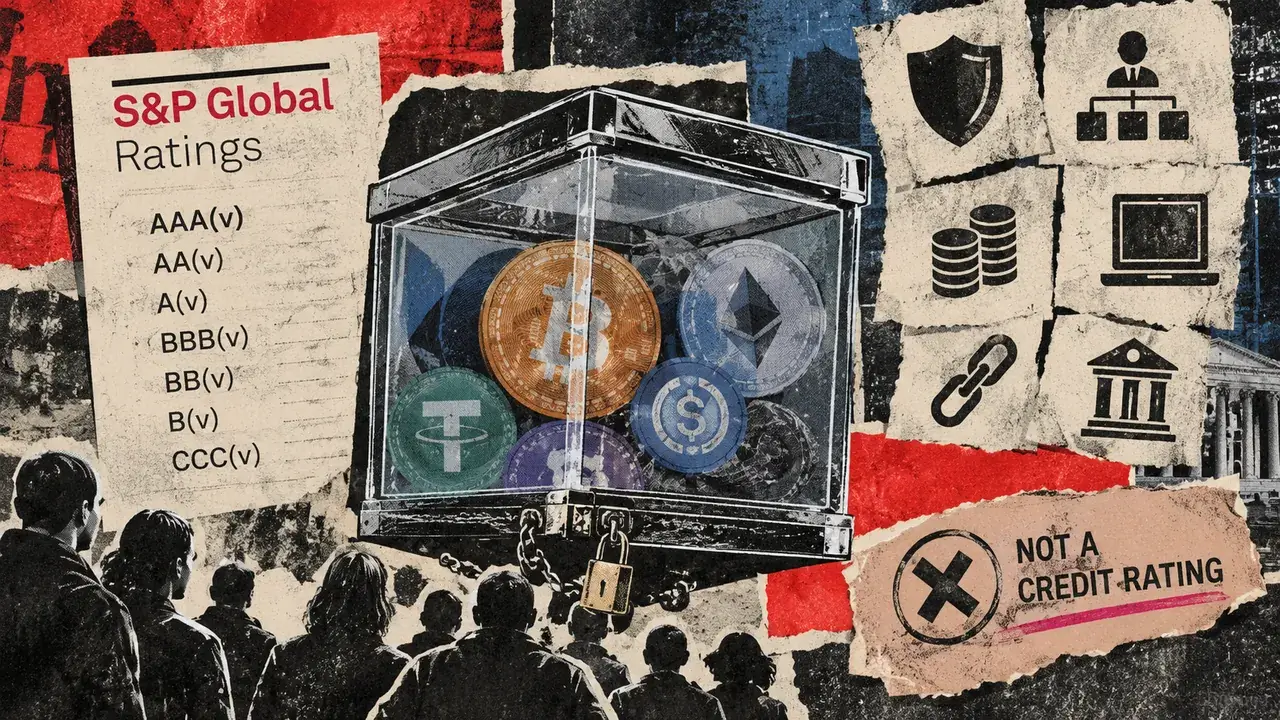
S&P brings ratings-style scrutiny to $10 billion crypto vault market as $6 million Base incident exposes risks
S&P Global is bringing ratings-style risk assessments to crypto lending vaults as the fast-growing market confronts fresh security...

Lido plans Morpho Blue fork ‘Lido Lend’ for new lending protocol in Q4 2026
Lido's entry into lending could enhance DeFi's appeal to passive investors, but governance and risk management will be critical ch...
Cybersecurity consultant found guilty of stealing $55M in crypto from Uranium Finance
The conviction highlights the vulnerabilities in DeFi systems and underscores the effectiveness of blockchain forensics in tracing...

Tether Celebrates 12 Years, USD₮ Surpasses 700M Users
Key Takeaways: Tether marked the 12th anniversary of the world’s largest stablecoin by market cap, USD₮. The company claims that U...

Jupiter Lend overtakes Kamino as Solana’s largest lending protocol
Jupiter Lend's rise highlights the dynamic nature of DeFi on Solana, emphasizing the importance of innovation and strategic positi...