Crypto ‘Pig-Butchering’ Scam Escalating Into A National Security Risk— Study
Chain analysts and law enforcement are sounding the alarm about a type of fraud known as “pig-butchering,” in which criminals groom victims online and push them into fake crypto investments. According to Chainalysis, cry...
Archive context
Older archive item. Useful for background and entity history, but not a fresh market-moving signal.

Chain analysts and law enforcement are sounding the alarm about a type of fraud known as “pig-butchering,” in which criminals groom victims online and push them into fake crypto investments.
According to Chainalysis, crypto scams sent close to $10 billion on-chain in 2024, with pig-butchering revenue growing almost 40% year-over-year and the number of deposits into those scams rising more than 200% — even as the average deposit size fell roughly 55%.
These shifts point to a model that now relies on many more victims paying smaller amounts, making the operation both lucrative and hard to trace.
Organized Networks Behind The ScamsInvestigators say these are not lone fraudsters. Reports have disclosed that scam networks operate like organized criminal enterprises, sometimes using trafficked workers in compounds to call, message and manage victims.
Victim grooming can span weeks or months, turning emotional manipulation into a steady revenue stream for the gangs. Research and reporting have tied some of these operations to regions in Southeast Asia and to groups that move money through concentrated crypto wallets.
AI And Marketplaces Help Scammers ScaleLaw enforcement and analysts warn that generative AI and service markets are making the pig butchering scams cheaper and faster to run.
According to Chainalysis and multiple news outlets, AI tools are being used to create convincing chatbots, voice clones and fake profiles, while online marketplaces sell domain services and hosting that let scammers spin up lifelike investment sites. That combination has helped fraud operators widen their reach and target more people at once.
Infrastructure And SanctionsAuthorities have started to hit the infrastructure that supports the scams. The US Treasury’s OFAC sanctioned a Philippines-based firm, Funnull Technology Inc., and its alleged administrator for supplying internet infrastructure and tools used by fraud networks.
Chainalysis and other researchers tied Funnull’s services to sites used in pig-butchering, and US losses linked to those operations were said to exceed $200 million in some investigations. Sanctions aim to cut off access to the web services scammers use to appear legitimate.
Exchanges And Stablecoin Issuers Help Freeze Illicit FundsPrivate companies have been part of the response. In a coordinated effort with APAC law enforcement, Chainalysis, exchanges and stablecoin issuers helped trace and block nearly $47 million in USDT that had been consolidated by scammers into a few wallets.
Earlier actions involving other cases led to much larger freezes. Those moves show how industry cooperation can stop some cash-outs before criminals convert crypto into fiat.
Featured image from Unsplash, chart from TradingView
Why this matters
This security story adds another data point to the current market tape and is useful when read alongside nearby source coverage.
Original source
Read on NewsBTCRelated market context
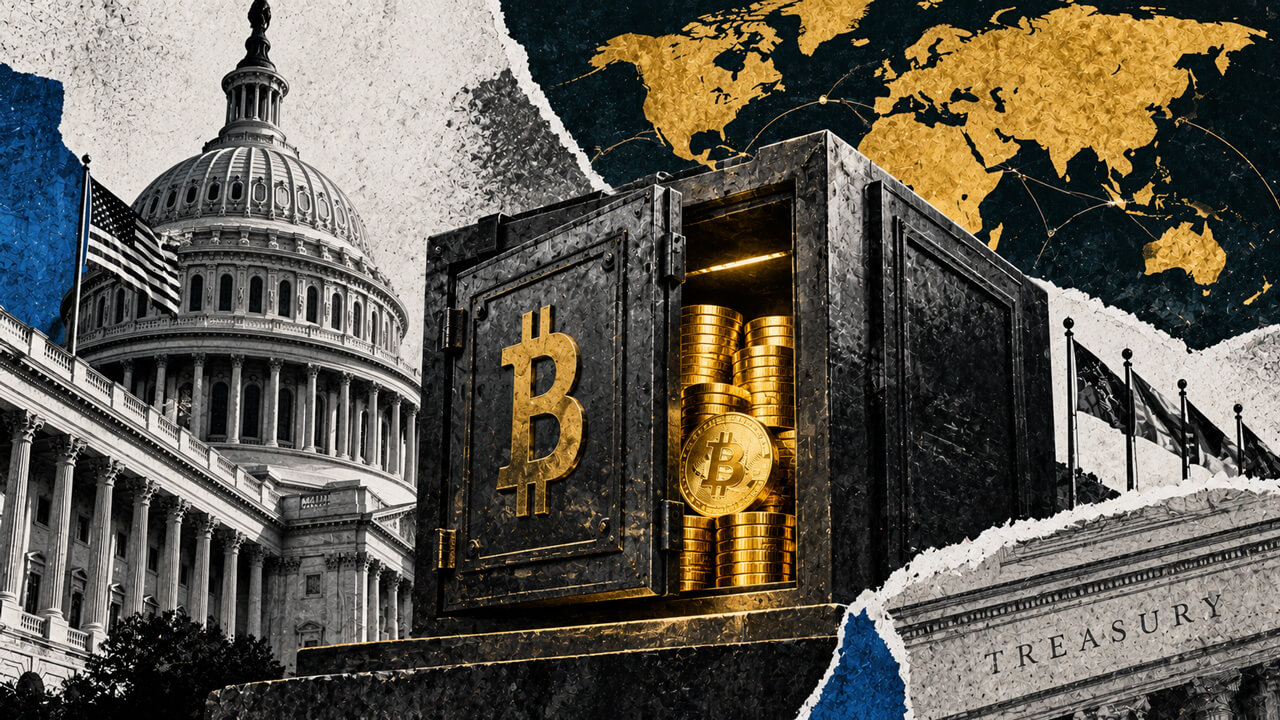
US government moves $470 million in seized crypto to Coinbase wallets, raising Bitcoin sale questions
The US government moved about $470 million in seized crypto to likely Coinbase Prime addresses, according to Arkham, reviving ques...

Glamsterdam Upgrade: Sepolia Blocks Leave Most of Ethereum’s New Gas Capacity Unused
Ethereum’s Glamsterdam upgrade has raised Sepolia’s block-gas limit from about 60 million to nearly 200 million, giving developers...

Polygon Opens Its Money Stack To TRON’s $94 Billion USDT Market
TL;DR: Polygon Open Money Stack now supports TRON, giving payment and fintech businesses a single infrastructure layer for bank tr...
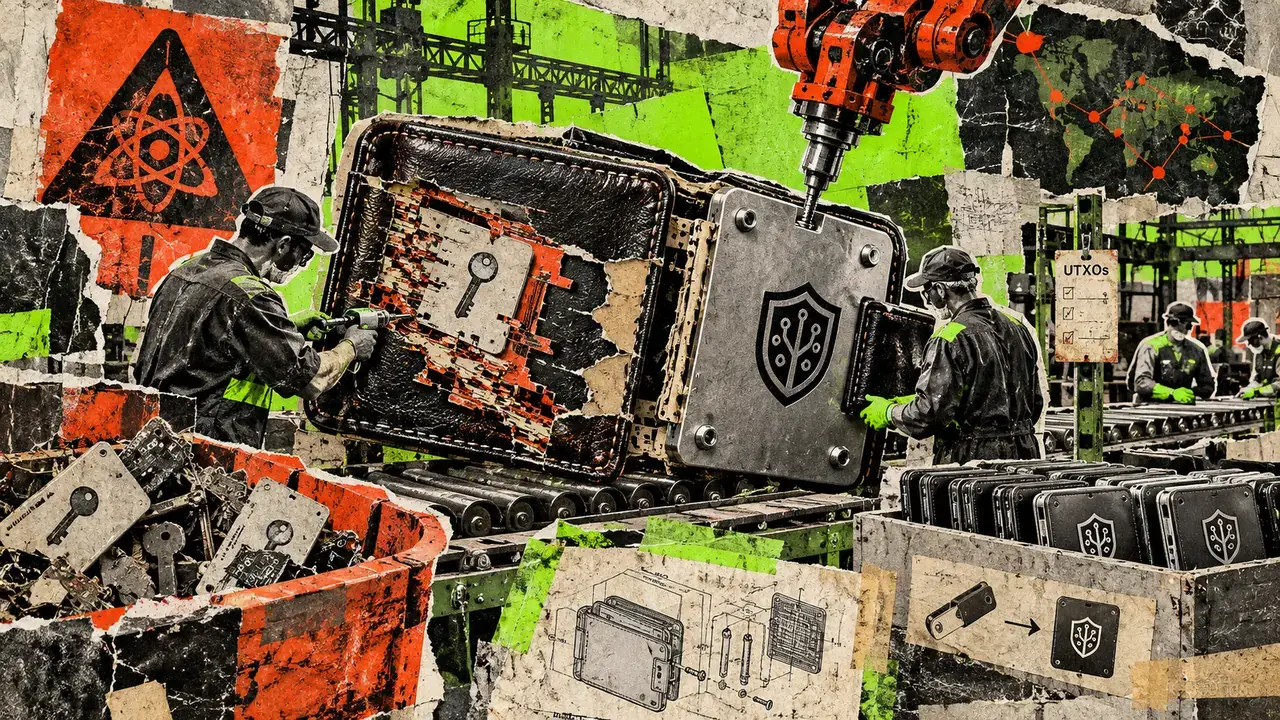
Europol says crypto’s quantum upgrade could take years and urges work to start now
Europol, the EU’s law enforcement agency, is urging the cryptocurrency industry to begin preparing wallet and protocol upgrades fo...
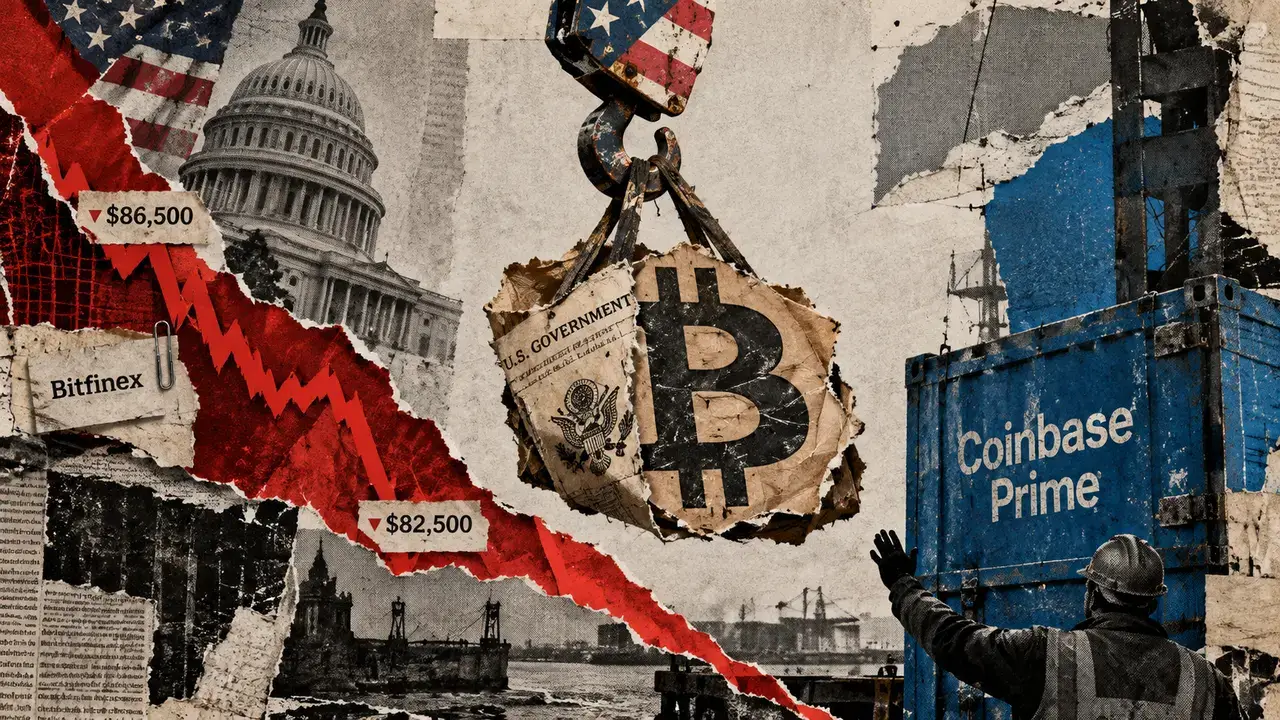
US government moves another $1 billion in Bitcoin as BTC slides $4,000
US government-linked wallets moved over $1 billion in Bitcoin on Oct. 8 as BTC prices fell and more coins reached Coinbase Prime....

UK sanctions crypto platforms suspected of supporting Russian financial networks
The UK sanctioned Cryptomus, Heleket and TokenSpot in a Russia sanctions package, with TRM Labs identifying links to Grinex and Ga...