Crypto Wallets MetaMask, Phantom Targeted in $500K Phishing Attack: Report
Check Point Research (CPR) has discovered a “massive search engine phishing campaign” that has resulted in at least half a million dollars worth of crypto stolen from users. “Over the past weekend, Check Point Research e...
Archive context
Older archive item. Useful for background and entity history, but not a fresh market-moving signal.
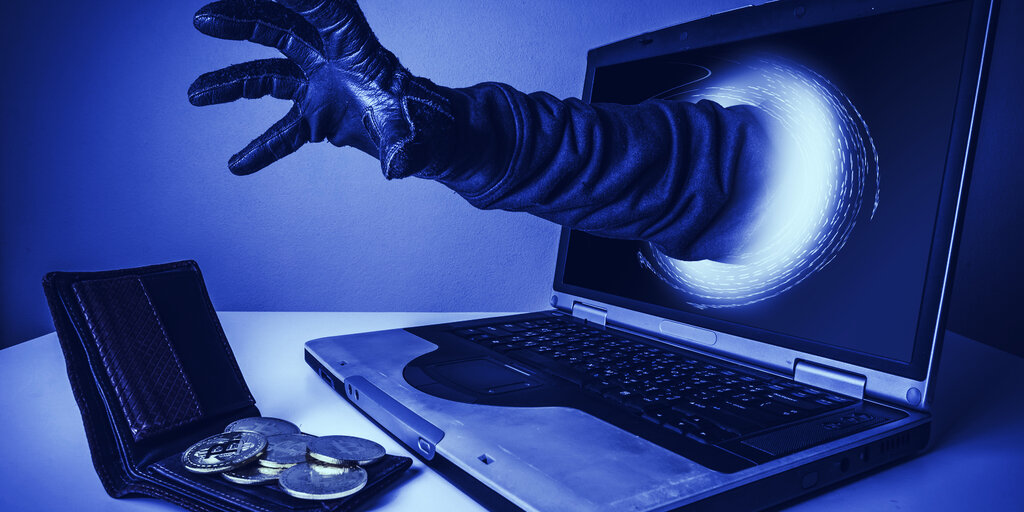
Check Point Research (CPR) has discovered a “massive search engine phishing campaign” that has resulted in at least half a million dollars worth of crypto stolen from users.
“Over the past weekend, Check Point Research encountered hundreds of incidents in which crypto investors lost their money while trying to download and install well-known crypto wallets or change their currencies on crypto swap platforms like PancakeSwap or Uniswap,” CPR said.
“I just installed the phantom wallet and somehow I ended up downloading the scam,” one Reddit user said, adding, “I am somewhat new to wallets.”
The scam, CPR found, has also been hitting MetaMask and Phantom users, two popular crypto wallets, with scammers mimicking legitimate websites almost perfectly.
“Over the past weekend, researchers from CPR spotted multiple phishing websites that looked like the original website, because the scammers copied its design,” CPR added.
Phantom and MetaMaskFor the Phantom domain, users were encountering phishing domains like “phanton.app” or “phantonn.app,” as opposed to the legitimate “phantom.app.”
The same was true of the scammers’ MetaMask tactics, which saw domains like “MètaMask” appear via Google ad campaigns. In the case of MetaMask, the scammers were also trying to steal user private keys to access their wallets.
“What makes this phishing campaign unique is the fact that the scammers are not sending phishing links via email like traditional phishing scams,” CPR said. “Instead, they are using Google ad campaigns to make their phishing websites appear before the original site when anyone searches the keyword,” the group added.
But what can users do to protect themselves? CPR has provided cautionary steps for crypto users.
These include looking at the first website in your search and ensuring that it is not an ad. Users, CPR suggests, should also never give out their passphrase.
Last but not least, CPR says, “always double-check the URLs.”
Why this matters
This security story adds another data point to the current market tape and is useful when read alongside nearby source coverage.
Original source
Read on DecryptRelated market context
Cardano’s Programmable Token Standard Goes Live With Built-In KYC and Freeze Controls
The Cardano Foundation announced on Wednesday at TOKEN2049 that CIP-0113, Cardano’s programmable token standard, is live on Cardan...

Non-Custodial Crypto Exchanges: How Self-Custody Is Changing the Way Users Swap Digital Assets
For many users, the distinction comes down to custody. A centralized platform may hold assets on behalf of its customers, while a...

Tether Celebrates 12 Years, USD₮ Surpasses 700M Users
Key Takeaways: Tether marked the 12th anniversary of the world’s largest stablecoin by market cap, USD₮. The company claims that U...

Abstract to Shut Down Dec. 15 After Consumer Crypto Model Fails to Scale
Key Takeaways: Abstract will close on 15th December, 2026, and users will have to move assets off the network before the time. The...

Why Abstract is killing its Ethereum L2 instead of launching a token to save it
Abstract will shut down on Dec. 15 despite onboarding more than 400,000 users, hosting 144 apps, and landing brands including Disn...

Cardano News: CIP-0113 Upgrade Could Change ADA Future
Good news coming from The Cardano Foundation as it launched CIP-0113 on mainnet, giving issuers of regulated stablecoins, funds, a...