DeFi Platform Delta Primes Loses $6 Million In Security Breach, Is North Korea Involved?
Decentralized Finance (DeFi) platform Delta Primes suffered a security breach on Monday, affecting the protocol’s users. The attack took $6 million from the project’s pools and is under investigation. However, on-chain i...
Archive context
Older archive item. Useful for background and entity history, but not a fresh market-moving signal.

Decentralized Finance (DeFi) platform Delta Primes suffered a security breach on Monday, affecting the protocol’s users. The attack took $6 million from the project’s pools and is under investigation. However, on-chain investigators suspect it could be linked to North Korean hackers and be part of a larger-scale scheme.
Hackers Drain $6 Million From DeFi ProtocolOn Monday morning, cyber security platform Cyvers Alerts informed the community about the ongoing attack on DeFi borrowing protocol Delta Primes. The initial report revealed that Cyvers’ system had detected multiple suspicious transactions involving the project on the Arbitrum chain.
The transactions suggested the DeFi protocol’s team had lost the private key, initially losing $4.5 million from the DPUSDC, DPARB, and DPBTCb pools. The suspicious draining address immediately swapped the USDC for Ethereum (ETH).
In the next hour, Cyvers detailed that the attackers had seemingly changed the proxy, pointing to a malicious address. Other reports explained that “this malicious contract can inflate the deposited amount of the hacker on all pools.”
The attackers drained another $1.48 million from the pools before Delta Prime’s team regained control. Two hours after the initial reports, the DeFi platform addressed the incident.
Per the post, DeltaPrime Blue, on the Arbritum chain, was attacked and drained for $5.98 million. The team confirmed that the attack was due to a compromised private key, with the cause still being investigated.
Delta Prime’s team also assured users that DetalPrime Red, on Avalanche, was safe from this attack, detailing that the “implementation here is covered solely by multisigs and cold wallets (as it should be).”
Additionally, the post claimed that the risk was already contained, reassuring its community that the DeFi protocol’s insurance pool would cover potential losses:
The risk is contained, we’re working on asset-retrieval and the insurance pool will cover any potential losses where possible / necessary. Additionally, we’re looking into other ways to reduce user losses to a minimum.
Are North Korean Hackers Responsible?Despite the quick response, some users expressed their concerns about the incident. When questioned about it, the team explained that there were no timelocks for DeltaPrime Blue:
This is exactly what timelocks are for. The switch from this hot & non-timelocked owner to a cold timelocked owner should have been done on Arbitrum like it was on Avalanche (and like other initial owners on Arbi)
One community member criticized the team for not having the same security measures on DeltaPrime Blue and Red, stating there was no excuse for the mistake. Moreover, on-chain sleuth ZachXBT suggested that the attack could be linked to a larger-scale problem.
A month ago, Zach assisted another team with another crypto hack. The investigation unveiled that over 25 projects within the space had unknowingly hired multiple IT workers from North Korea using fake identities as developers.
Today, the crypto detective revealed that the DeFi protocol was among the teams he alerted about the North Korean IT workers in August. He also noted that the method used for Delta Prime’s exploit was similar to the hack he originally assisted.
As of this writing, Delta Prime’s team has not addressed the possible link. However, it stated that they would focus on getting the funds back and that “the event isn’t over yet.”
Why this matters
This security story adds another data point to the current market tape and is useful when read alongside nearby source coverage.
Original source
Read on NewsBTCRelated market context
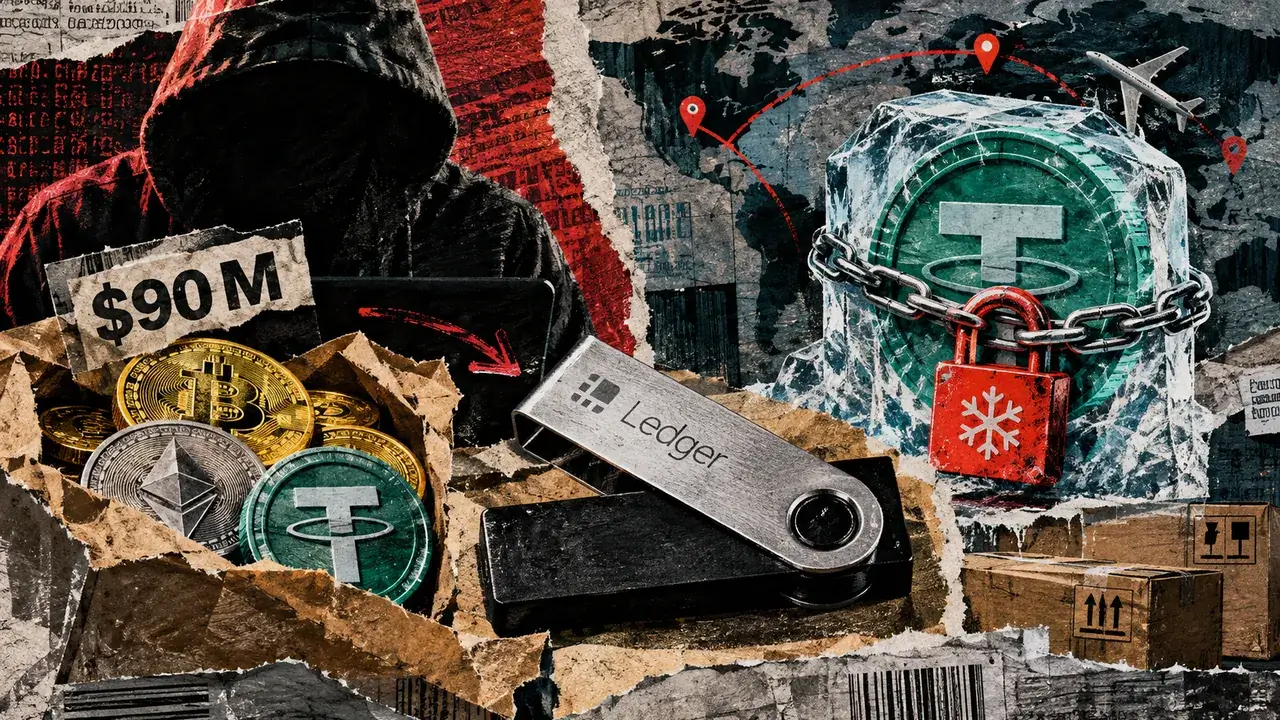
Ledger hack scare nears $90 million as Tether moves to freeze stolen USDT
Suspected Ledger wallet thefts are approaching $90 million as Tether freezes USDT stablecoin linked to the incident, according to...

Sui’s Hashi Launches With $500M to Turn Bitcoin Into Productive DeFi Collateral Markets
Key Takeaways: With more than $500 million in locked-in tokens, Hashi will launch its phased mainnet launch. The protocol enables...

Tether froze 1.45 million USDT in THORChain vaults, then reversed course three hours later
The incident highlights the vulnerability of DeFi protocols to centralized issuer actions, emphasizing the need for diversified as...

Stealing $1.5B in crypto is easy, cashing out is the trap
North Korean hackers stole around $1.5 billion from Bybit in February 2025. While the hack itself has been widely covered and anal...

Bitcoin holder loses 80 BTC worth $5.2 million after moving funds to reseller-bought Ledger
The incident underscores the critical importance of purchasing hardware wallets from official sources to ensure asset security. Th...

Tether freezes USDT linked to Ledger user thefts near $90 million
The freeze highlights the need for robust supply chain security and raises concerns about the limitations of centralized control i...