EU Bans Crypto Services for Russians in New Sanctions Over Ukraine Escalation
An array of crypto-related services have been targeted in the latest round of sanctions on Russia approved by the EU. The measures are part of an expected tightening of the economic and financial restrictions in response...
Archive context
Older archive item. Useful for background and entity history, but not a fresh market-moving signal.
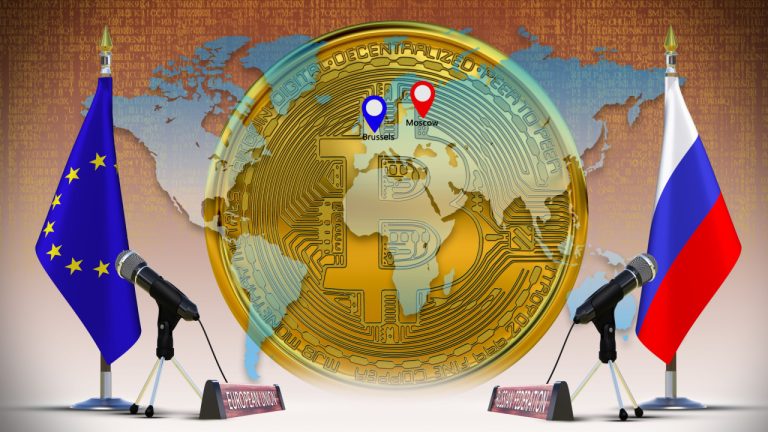
An array of crypto-related services have been targeted in the latest round of sanctions on Russia approved by the EU. The measures are part of an expected tightening of the economic and financial restrictions in response to Moscow’s decision to annex Ukrainian territories.
EU Council Adopts Full Ban on Crypto Wallet and Custody Services for Russian Persons
The Council of the European Union announced new sanctions against Russia on the backdrop of the deepening military conflict in Ukraine. The penalties, expected to hurt the Russian government and economy, come after Moscow took steps to annex the Ukrainian regions of Donetsk, Luhansk, Zaporizhzhia, and Kherson.
In a statement, the EU’s High Representative for Foreign Affairs and Security Policy Josep Borrell emphasized that the sanctions are a response to the latest escalation with the “fake referenda” in these four oblasts. Russian individuals and entities that have played a role in their organization will be specifically targeted.
Other Russian citizens and businesses are also going to take a hit, including those that deal with cryptocurrencies. The new measures include a full ban on the provision of wallet, account, or custody services for crypto assets to Russian persons and residents. That’s regardless of the value of these assets, according to the eighth package of sanctions imposed by Brussels.
This spring, when the EU approved its fifth round of such measures, the Council prohibited only the provision of “high-value” crypto-asset services to Russians and organizations registered in their country. The ban applied to digital funds exceeding €10,000 (close to $11,000 at the time).
New European Sanctions to Hit Russian Imports and Exports
While the earlier restrictions were meant to limit the transfer of wealth through digital assets and close other loopholes in the crypto space, a recent report revealed that pro-Russian groups have been actively using cryptocurrency, often in small transactions, to fund paramilitary operations in Ukraine. According to the research, they have raised $400,000 in crypto since the start of the invasion in late February. Russian authorities have also been working to allow businesses to employ crypto payments for international settlements.
With the latest move, the EU also bans the provision of IT consultancy and legal advisory services to Russia as well as architectural and engineering services. Russian imports and exports have been targeted, too, including the maritime transport of crude oil and petroleum products to third countries. The provision of related services will be allowed only if these have been purchased at or below a pre-established price cap, which is yet to be determined.
Among the other measures is a ban on EU nationals to hold any posts on the governing bodies of some Russian state-owned or government-controlled entities. The Council also decided to broaden the criteria under which persons can be designated as facilitating the circumvention of restrictions imposed by the European Union. The European Commission, the executive body in Brussels, welcomed the latest sanctions package.
Do you think the new EU sanctions will significantly limit access to cryptocurrencies for Russians? Share your thoughts on the subject in the comments section below.
Why this matters
This security story adds another data point to the current market tape and is useful when read alongside nearby source coverage.
Original source
Read on Bitcoin NewsRelated market context

UK sanctions crypto platforms suspected of supporting Russian financial networks
The UK sanctioned Cryptomus, Heleket and TokenSpot in a Russia sanctions package, with TRM Labs identifying links to Grinex and Ga...
Russia’s Sberbank Given Green Light to Custody Bitcoin
Bitcoin Magazine Russia’s Sberbank Given Green Light to Custody Bitcoin Russia’s largest bank has announced it is the first in the...

UK sanctions crypto payment processors Cryptomus, Heleket, and exchange TokenSpot
The UK's sanctions highlight the increasing scrutiny on crypto's role in evading financial restrictions, impacting global complian...

RedStone launches Sanctions Oracle for onchain compliance on Ethereum
RedStone's Sanctions Oracle enhances onchain compliance, potentially reshaping DeFi protocols by automating sanctions checks and r...
ESMA orders MiCA firms to halt services for non-compliant stablecoins
The EU's deadline for crypto firms to drop non-compliant stablecoins like USDT may reshape market dynamics and regulatory strategi...

Greece plans 10% tax on crypto gains, aligning with European trends
Greece's crypto tax plan may influence European regulatory trends, potentially affecting market dynamics and Bitcoin's long-term v...