EU Issues Bitcoin, Crypto Ban On Russia With New Sanctions
Previously-limited transactions between Russian bitcoin wallets and EU service providers are now completely banned.The European Union (EU) doubled down on previous sanctions against Russia which limited bitcoin and crypt...
Archive context
Older archive item. Useful for background and entity history, but not a fresh market-moving signal.
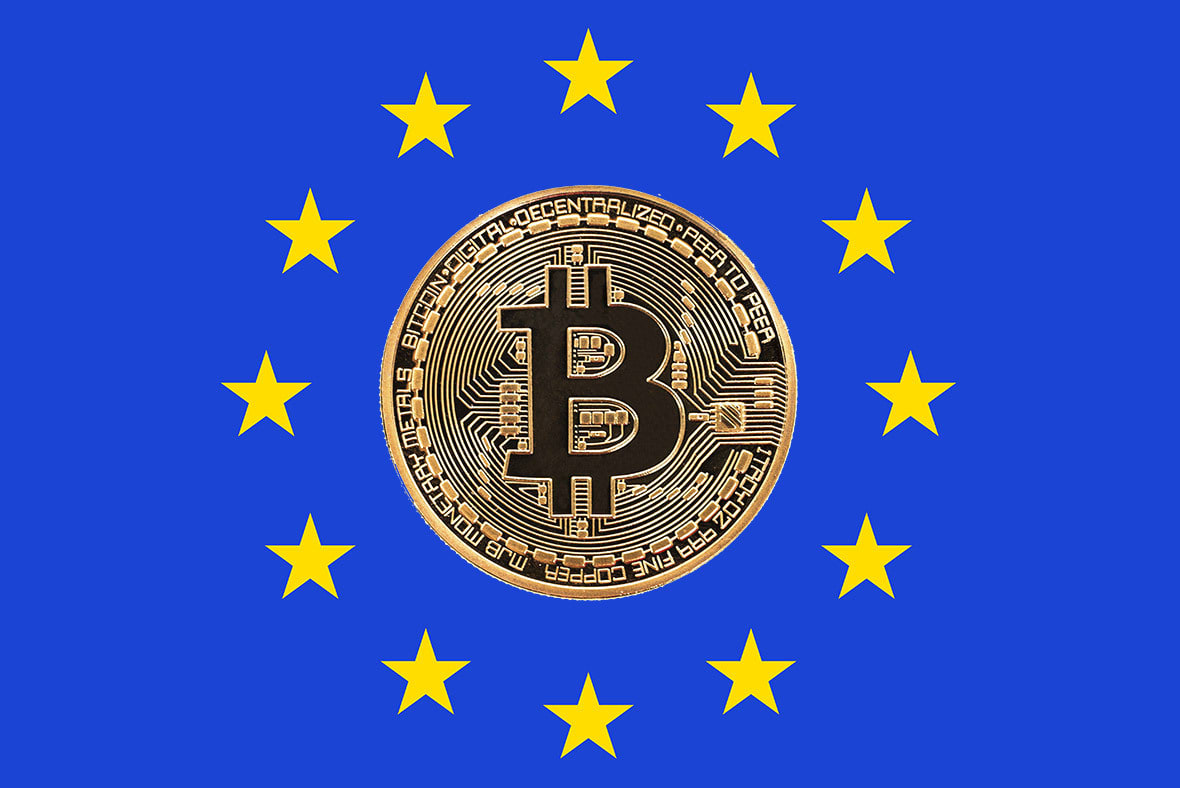
Previously-limited transactions between Russian bitcoin wallets and EU service providers are now completely banned.
The European Union (EU) doubled down on previous sanctions against Russia which limited bitcoin and cryptocurrency transactions resulting in an outright ban against all transactions, per a statement from the European Commission.
“The Commission welcomes the Council's adoption of an eighth package of hard-hitting sanctions against Russia for its aggression against Ukraine,” reads the statement.
All bitcoin and cryptocurrency wallets, accounts and custody services in Russia are hereby banned. Previously, transactions were limited to €10,000 ($9,900).
The ban comes on the heels of recent news from Russia, where its Ministry of Finance announced the country’s intentions to allow any industry to accept bitcoin and cryptocurrency for international trade. Last month, Russian Deputy Finance Minister Alexei Moiseev stated that "there is no way to do without cross-border settlements in cryptocurrency."
Russia’s need to transact in bitcoin and cryptocurrency has stemmed from a continuing dialogue between the Russian central bank and its Ministry of Finance as the two regulators determine how best to introduce this ability to the economy.
But while the two regulators debate on how to accomplish the task, the EU has stepped in prohibiting any and all cryptocurrency transactions and services with its most recent ban.
The new sanctions extend beyond cryptocurrency to also include restrictions on individuals and entities in the Donetsk, Luhansk, Kherson and Zaporizhzhia regions. Each sanctioned individual is believed to be involved in the “Russian occupation, illegal annexation and sham ‘referenda’” in the previously mentioned territories.
Furthermore, export sanctions aiming at Russian military, industrial and technological access, as well as at its defense sector, were introduced. The EU also imposed a €7 billion import restriction and oil price caps.
Why this matters
This security story adds another data point to the current market tape and is useful when read alongside nearby source coverage.
Original source
Read on Bitcoin MagazineRelated market context
UK sanctions crypto platforms suspected of supporting Russian financial networks
The UK sanctioned Cryptomus, Heleket and TokenSpot in a Russia sanctions package, with TRM Labs identifying links to Grinex and Ga...

Money20/20 USA 2026: How Bitcoin, Stablecoins and AI Are Reshaping the Future of Finance
Bitcoin Magazine Money20/20 USA 2026: How Bitcoin, Stablecoins and AI Are Reshaping the Future of Finance Fintech has moved beyond...
Coinbase expands services for institutional crypto adoption
Coinbase's expansion could accelerate crypto integration in traditional finance, potentially boosting institutional adoption and m...
Greece Plans Crypto Capital Gains Tax: Report
Bitcoin Magazine Greece Plans Crypto Capital Gains Tax: Report Greece is planning a law to tax crypto investors’ capital gains at...

Sui’s Hashi Bitcoin Finance Network Launches With More Than $500 Million Committed
TL;DR: Hashi, Sui’s native Bitcoin finance infrastructure, will begin a phased mainnet rollout later this month with more than $50...

UK sanctions crypto payment processors Cryptomus, Heleket, and exchange TokenSpot
The UK's sanctions highlight the increasing scrutiny on crypto's role in evading financial restrictions, impacting global complian...