Fidelity’s Bitcoin 401(k) Offering Risks Retirement Security of Americans, Says Labor Department Official
The U.S. Labor Department has “grave concerns” about Fidelity Investments allowing investors to put bitcoin into their 401(k) accounts for retirement savings. An official of the Labor Department said it risks the retirem...
Archive context
Older archive item. Useful for background and entity history, but not a fresh market-moving signal.
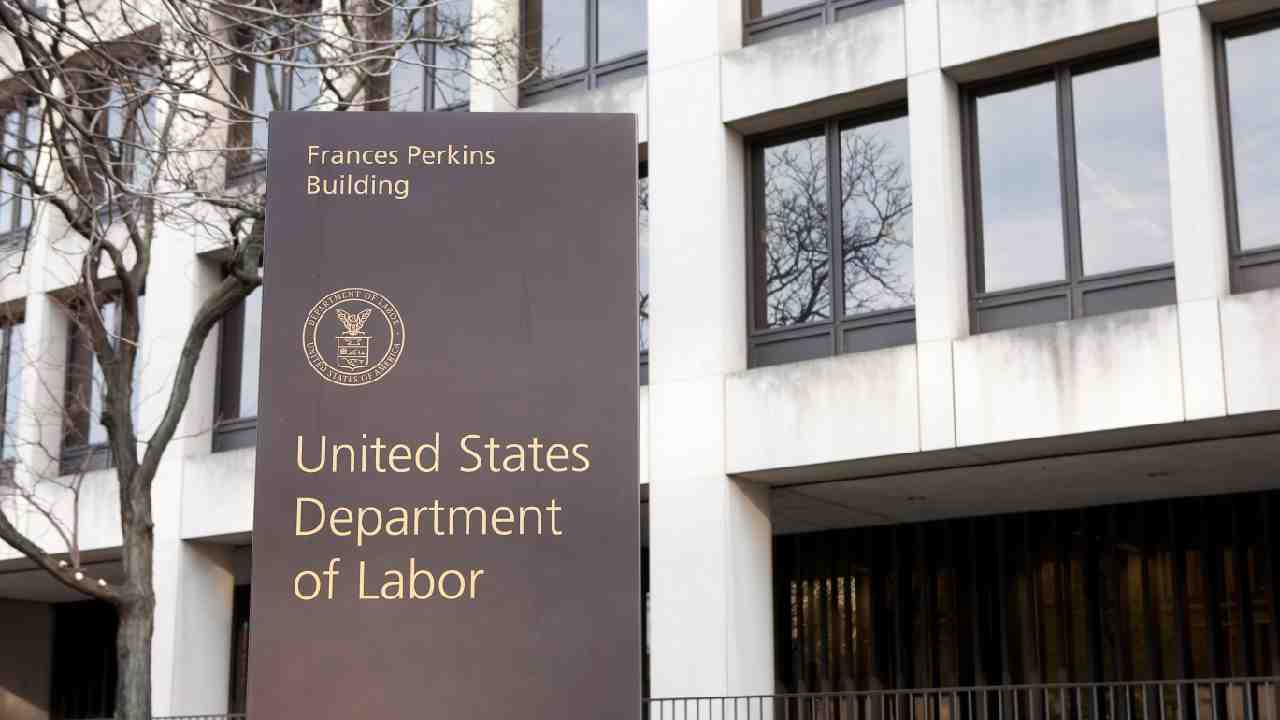
The U.S. Labor Department has “grave concerns” about Fidelity Investments allowing investors to put bitcoin into their 401(k) accounts for retirement savings. An official of the Labor Department said it risks the retirement security of Americans, stressing that “cryptocurrencies can present serious risks to retirement savings.”
The U.S. Labor Department is deeply concerned about Fidelity Investments’ new offering to allow investors to put up to 20% of their 401(k) savings and contributions into bitcoin (BTC). A 401(k) is a popular workplace savings plan in the U.S that has tax advantages as an incentive to invest for retirement.
Ali Khawar, Acting Assistant Secretary of the Labor Department’s Employee Benefits Security Administration, said in an interview with The Wall Street Journal Friday:
We have grave concerns with what Fidelity has done.
Khawar explained that Labor Department believes that Fidelity allowing savers to put bitcoin into their 401(k) accounts risks the retirement security of Americans.
The official said that he views cryptocurrency as speculative. There is “a lot of hype around ‘You have to get in now because you will be left behind otherwise,'” he opined.
Khawar wrote a blog post on the Department of Labor’s website in March raising concerns about retirement plans investing in cryptocurrencies. He detailed:
The U.S. Department of Labor has serious concerns about plans’ decisions to expose participants to direct investments in cryptocurrencies or related products, such as NFTs, coins, and crypto assets.
He explained that “cryptocurrencies can present serious risks to retirement savings,” citing valuation challenges, price volatility, and the evolving regulatory landscape.
Do you think the U.S. Department of Labor should be worried about Fidelity allowing investors to put bitcoin into their 401(k) accounts? Let us know in the comments section below.
Why this matters
This security story adds another data point to the current market tape and is useful when read alongside nearby source coverage.
Original source
Read on Bitcoin NewsRelated market context

S&P brings ratings-style scrutiny to $10 billion crypto vault market as $6 million Base incident exposes risks
S&P Global is bringing ratings-style risk assessments to crypto lending vaults as the fast-growing market confronts fresh security...

Vitalik Buterin warns AI could weaken the math behind crypto security
AI advancements in math could accelerate cryptographic vulnerabilities, prompting urgent shifts in blockchain security strategies....

Strike launches Stacks to sort Bitcoin savings into goal-based buckets
Strike's Stacks feature could enhance Bitcoin financial management, attracting users seeking organized savings strategies and impr...
Cybersecurity consultant found guilty of stealing $55M in crypto from Uranium Finance
The conviction highlights the vulnerabilities in DeFi systems and underscores the effectiveness of blockchain forensics in tracing...

Plume Opens Onchain Access to Fidelity’s $28B Bond ETF Through New nBND Vault
Key Takeaways: Plume has introduced nBND, a tokenized vault with a primary asset of Fidelity Total Bond ETF (FBND). FBND is managi...

Plume Network launches nFBND vault tied to Fidelity’s Total Bond ETF
Plume's nFBND vault could revolutionize fixed-income markets by bridging traditional finance and blockchain, enhancing asset liqui...