NYAG Labels Ether as a Security in KuCoin Lawsuit
New York State Attorney General Letitia James filed suit against KuCoin on Thursday, alleging that the cryptocurrency exchange has been operating in the state without registering as a securities and commodities broker-de...
Archive context
Older archive item. Useful for background and entity history, but not a fresh market-moving signal.
New York State Attorney General Letitia James filed suit against KuCoin on Thursday, alleging that the cryptocurrency exchange has been operating in the state without registering as a securities and commodities broker-dealer.
Is Ether a Security?
Further, it is the first regulatory lawsuit that claims Ether to be a security. The labeling of Ether as a security was based on the Martin Act, a 102-year-old anti-fraud law, as the cryptocurrency's market value depends on the actions of others, including its Co-Founder, Vitalik Buterin.
Apart from Ether, the lawsuit classified LUNA and TerraUSD stablecoin as securities.
"The petition argues that ETH, just like LUNA and UST, is a speculative asset that relies on the efforts of third-party developers in order to provide profit to the holders of ETH. Because of that, KuCoin was required to register before selling ETH, LUNA, or UST," the official press release stated.
Though the classification of many cryptocurrencies as securities are in question, the US Commodity Futures Trading Commission (CFTC) has maintained its position that Bitcoin and Ether are commodity assets. However, the Chairman of the Securities and Exchange Commission (SEC), Gary Gensler recently hinted at the agency's position to consider Ether as a security.
Charges against KuCoin
Additionally, James' lawsuit alleged that KuCoin falsely represents itself as an exchange. KuCoin operates from Seychelles and is not registered with the SEC or the CFTC in the United States.
In addition, it blamed the crypto company for offering unregistered securities in the form of KuCoin Earn, which was its lending and staking product.
The case against KuCoin was built by the New York attorney general's office with its first-hand experience on the crypto platform. James' office created a KuCoin account using a computer with a New York IP address and then bought and sold digital tokens, for which the platform charged a fee. Moreover, the prosecutors successfully deposited cryptocurrencies on the KuCoin Earn product, and the platform changed the fees for that.
Before the lawsuit, the NYAG served a subpoena to KuCoin via email and in person. However, the crypto platform did not respond to that.
Through the lawsuit, the NYAG seeks to stop KuCoin from operating in New York and order it to implement geo-location blocking based on its IP address and GPS across all its platforms.
"One by one, my office is taking action against cryptocurrency companies that are brazenly disregarding our laws and putting investors at risk," James said. "Today's action is the latest in our efforts to rein in shadowy cryptocurrency companies and bring order to the industry. All New Yorkers and all companies operating in New York have to follow our state's laws and regulations. KuCoin operated in New York without registration, and that is why we are taking strong action to hold them accountable and protect investors."
Meanwhile, KuCoin has been facing regulatory backlash in many jurisdictions. The platform was banned by Canada's Ontario state regulator and was also listed by South Korea's Financial Intelligence Unit among the illegal crypto exchanges in the country. Furthermore, the latest lawsuit pointed out that the authorities in Seychelles and the Netherlands found KuCoin operating without a proper license.
This article was written by Arnab Shome at www.financemagnates.com.Why this matters
This security story adds another data point to the current market tape and is useful when read alongside nearby source coverage.
Original source
Read on Finance MagnatesRelated market context
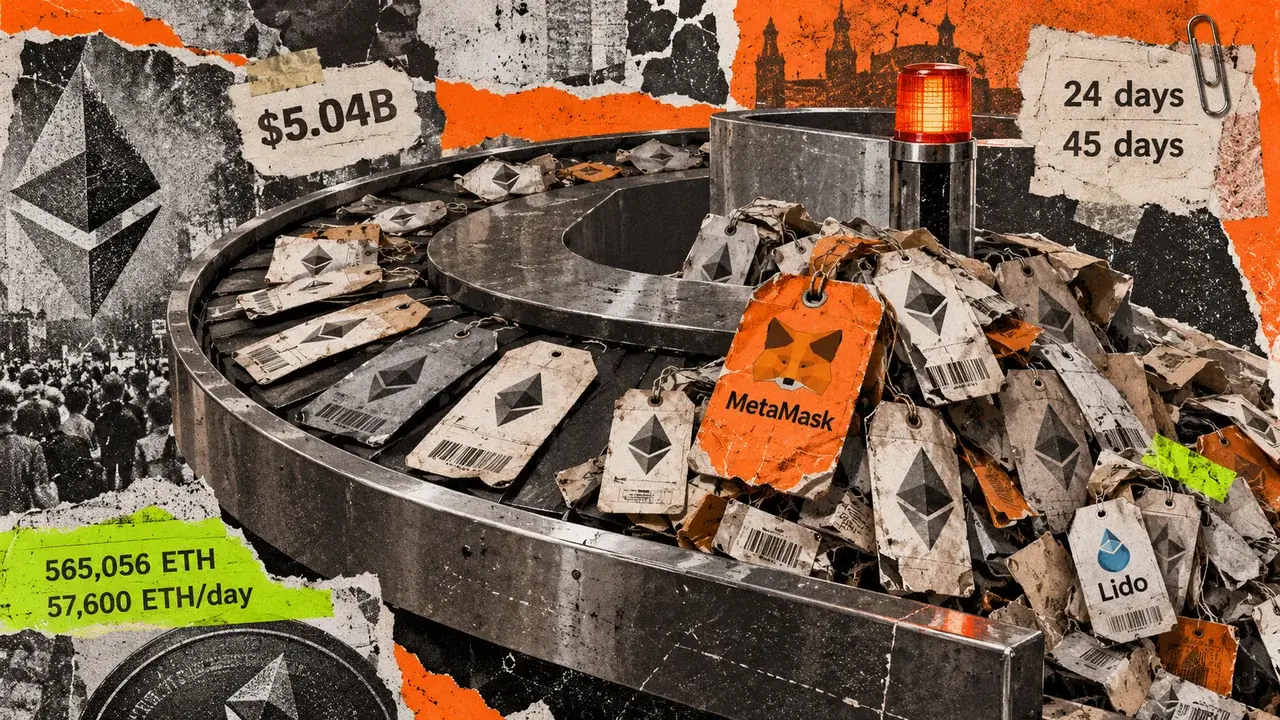
A $1,000 MetaMask incident could turn Ethereum’s staking queue into a $5 billion traffic jam
MetaMask's precautionary validator exits are turning a roughly $1,000 reward diversion into a test of Ethereum's staking capacity....

Thailand’s SEC finalizes rules for Bitcoin and Ether ETFs
Thailand's SEC crypto ETF rules enhance local market access, fostering domestic financial growth and investor protection while red...

BNY Expands Regulated Crypto Custody Across The European Union Under MiCA
TL;DR: BNY has expanded its Digital Asset Custody platform to selected institutional clients across the European Union under MiCA....

Gnosis bridges cut Ethereum deposit waits to seconds with fast confirmation
Gnosis' integration of FCR enhances transaction speed, potentially boosting user engagement and cross-chain activity, despite secu...
Gnosis Bridges Adopt Fast Confirmation for Ethereum Deposits
Users and apps need no changes, but the faster processing relies on different security guarantees from Ethereum finality.... Read...

MiCA rejection forces German crypto platform into operational overhaul
Bitcoin.de is rebuilding its operating model after German regulators rejected its MiCA authorization, forcing it to outsource trad...