Russia and Cuba Eye Cryptocurrencies for Settlements Amid Sanctions
Both facing sanctions, Russia and Cuba are looking into alternative options for cross-border payments, including cryptocurrencies, a Kremlin advisor has unveiled in Havana. Moscow is already developing a mechanism for cr...
Archive context
Older archive item. Useful for background and entity history, but not a fresh market-moving signal.
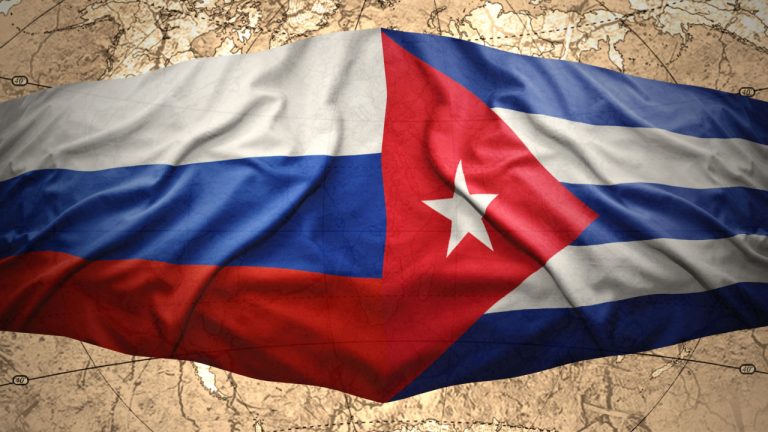
Both facing sanctions, Russia and Cuba are looking into alternative options for cross-border payments, including cryptocurrencies, a Kremlin advisor has unveiled in Havana. Moscow is already developing a mechanism for crypto settlements to circumvent financial restrictions imposed over its invasion of Ukraine.
Crypto and Ruble Considered for Payments in Trade Between Russia and CubaThe governments of Russia and Cuba are considering the use of Russian rubles and cryptocurrencies to facilitate bilateral cooperation against the backdrop of sanctions imposed on both nations. The news comes from a statement made by Boris Titov, commissioner for entrepreneurs’ rights under the Russian president, who visited Havana. Russia’s business ombudsman arrived in the Cuban capital during the 38th edition of the Havana International Fair.
“All of us, Cuba and Russia, are under sanctions, the dollar turnover is the main financial mechanism that exists in the world for mutual settlements, but today mechanisms are being developed at the level of national governments to change the situation,” Titov told the Tass news agency.
He further elaborated that several options are currently being discussed, including settlements in rubles. But the Kremlin official also noted that business is often quicker to adapt and find its own ways to make payments, including through cryptocurrencies and private clearing schemes.
Feria Internacional de la Habana (FIHAV 2022) is held Nov. 14 – 18 in the Expocuba exhibition complex on the outskirts of the city and was organized in 1983. The event is attended by representatives of companies from over 60 countries, including Brazil, Venezuela, Spain, Italy, Canada, China, Mexico, Russia, and France.
Russian authorities have been mulling over a more comprehensive regulatory framework for crypto assets for months. Lawmakers in the State Duma are expected to review a new bill “On Digital Currency” and a draft law “On Mining in the Russian Federation” tailored to fill the gaps remaining after the enforcement of the law “On Digital Financial Assets” in January, 2021.
While in January of this year the Central Bank of Russia suggested a blanket ban on most crypto-related activities, the increasing sanctions pressure since the launch of Russia’s “special military operation” in Ukraine in late February, convinced the monetary authority to back proposals to legalize the use of decentralized digital currencies in international settlements.
In September, Russian financial authorities started designing a mechanism to facilitate the employment of cryptocurrencies for payments with other nations. Earlier that month, Deputy Minister of Finance Alexey Moiseev revealed his department and the Bank of Russia had agreed that Russia “can’t do without cross-border crypto payments.”
Do you think Russia will manage to convince Cuba and other sanctioned nations to trade in rubles or cryptocurrencies? Share your thoughts on the subject in the comments section below.
Why this matters
This security story adds another data point to the current market tape and is useful when read alongside nearby source coverage.
Original source
Read on Bitcoin NewsRelated market context

UK sanctions crypto platforms suspected of supporting Russian financial networks
The UK sanctioned Cryptomus, Heleket and TokenSpot in a Russia sanctions package, with TRM Labs identifying links to Grinex and Ga...
Russia’s Sberbank Given Green Light to Custody Bitcoin
Bitcoin Magazine Russia’s Sberbank Given Green Light to Custody Bitcoin Russia’s largest bank has announced it is the first in the...

UK sanctions crypto payment processors Cryptomus, Heleket, and exchange TokenSpot
The UK's sanctions highlight the increasing scrutiny on crypto's role in evading financial restrictions, impacting global complian...

USDT’s grip on Asia-Pacific stablecoin payments loosens to 91%
The shift towards compliance-focused stablecoins in Asia-Pacific may signal a broader trend of regulatory integration influencing...

RedStone launches Sanctions Oracle for onchain compliance on Ethereum
RedStone's Sanctions Oracle enhances onchain compliance, potentially reshaping DeFi protocols by automating sanctions checks and r...

Spiral is adding Bitcoin payments to Mesh LLM so machines can buy AI compute
Integrating Bitcoin payments into AI networks could revolutionize decentralized compute markets, enhancing autonomy and efficiency...