Russia Can Avoid Sanctions By Using A Wide Range Of Cryptocurrency Tools
As the Biden administration slaps economic sanctions against Russia to contain the crisis in Ukraine, Russia is using various cryptocurrency tools to maintain access to foreign capital. As Russia attacked Ukraine, crypto...
Archive context
Older archive item. Useful for background and entity history, but not a fresh market-moving signal.

As the Biden administration slaps economic sanctions against Russia to contain the crisis in Ukraine, Russia is using various cryptocurrency tools to maintain access to foreign capital.
As Russia attacked Ukraine, cryptocurrency prices fell sharply. On Thursday morning, Bitcoin prices declined to more than 8%, to settle at $34,702.18, marking its lowest level in around a month.
Ether fell more than 8% to trade around $2,407.47.
Related Reading | Quant Explains How Bitcoin NUPL Can Help Predict Bull Cycles
That’s A Lot Of MoneyEconomists have approximated that the U.S. sanctions would cost Russia around $50 billion annually.
However, the Russian government seemed to have prepared themselves for the worst by connecting with financial networks who are willing to work with them.
One of which is linking with digital currency firms who do not undergo any government regulation and function independently on blockchains.
“Russia has had a lot of time to think about this specific consequence. It would be naïve to think that they haven’t gamed out exactly this scenario,” Michael Parker, a former federal prosecutor in an interview with the New York Times, said.
BTC total market cap at $670.906 billion in the daily chart | Source: TradingView.com Using Cryptocurrency Tools Vs. SanctionsEconomic sanctions are some of the most powerful suppression tools that many Western countries have used in times of war and crises.
During the Russian invasion of Crimea, the United States restricted its banks from dealing business with Russian oil, ghas and financial institutions, the latter’s economy was badly impacted.
Related Article | Bitcoin Investors Haven’t Responded To Russia-Ukraine War With Large Inflows (Yet)
While the US is the one to initiate, the way to make sanctions effective is through the global financial system.
International banks monitor the flow of money and are tasked with blocking transactions on sanctioned nations.
This is rendered impossible, however, as the Russian government is set to launch its own central bank for the digital Rubble. It seeks to trade directly with countries without having to go through the American currency.
Under The RadarTo cover their activities from blockchain recording mechanisms, Russia also developed new technology to hide their transactions, even from third-party investigators.
A similar move has been done by North Korea which made use of cryptocurrencies to fund its nuclear and ballistic missile program, according to Reuters.
Iran was also reported to be gaining money from crypto mining to make up for its revenue loss due to its ability to sell oil because of sanctions.
The Russian Blockchain Empire
Presently, Russia is growing a ransomware and blockchain industry.
Last year, entities connected to Russia earned about 74% of total global income, more than $400 million worth of cryptocurrency, according to a Feb. 14 report by the blockchain-tracking firm Chainalysis.
Since Russian President Vladimir Putin announced a military operation in the Donbas region on Wednesday, Bitcoin prices declined to $35,000, indicating a drop of more than 8% compared to a day earlier.
Bitcoin was trading at $34,969 as of 1:22 a.m. Eastern Time, according to CoinMarketCap.
Featured image from Reddit, chart from TradingView.comWhy this matters
This security story adds another data point to the current market tape and is useful when read alongside nearby source coverage.
Original source
Read on NewsBTCRelated market context
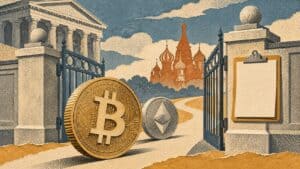
Russia Opens a Regulated Bitcoin Door on November 17—With a ₽300,000 Limit
Russia crypto rules taking effect on November 17 put Bitcoin, Ether and USDT on the approved list for non-qualified investors, mar...
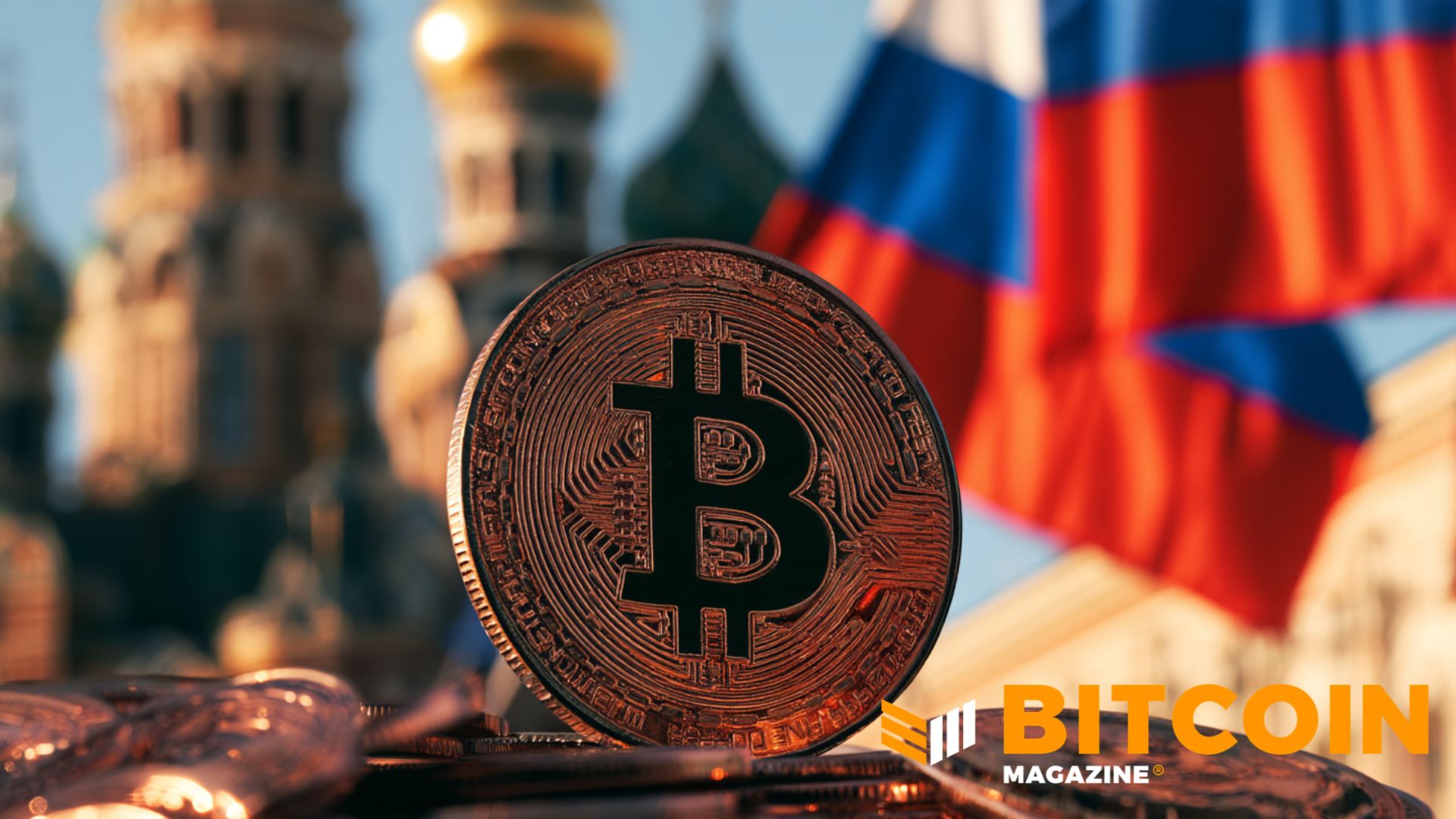
Russia Lets Everyday Investors Buy Bitcoin Starting Today
Bitcoin Magazine Russia Lets Everyday Investors Buy Bitcoin Starting Today Everyday investors in Russia can legally buy bitcoin th...
Russia opens regulated Bitcoin, Ether and USDT access to retail investors
Russia's move could boost crypto market participation, yet restrictions and payment prohibitions may limit broader economic integr...

Tether Capital Backs Stables, a USDT Payments Startup Serving Asia and the Middle East
Tether Capital, the investment arm of stablecoin issuer Tether, has invested in Stables, a startup that helps businesses in Asia a...

Jupiter introduces Global Passport and liquidity tools, targets idle tokenized assets
Jupiter's new tools could revolutionize the tokenized asset market by enhancing liquidity, access, and credit, transforming idle a...

Chainlink Confidential Compute logs 1 million workflow runs using AWS enclaves
Chainlink's Confidential Compute could revolutionize blockchain privacy, enabling secure onchain operations and boosting instituti...