SEC’s Paul Atkins “Most Crypto Isn’t a Security”
Atkins unveiled Project Crypto, a sweeping regulatory overhaul that promises to drag SEC policy out of the analog age and into an on-chain future. The initiative is backed by the Trump administration’s newly released Wor...
Archive context
Older archive item. Useful for background and entity history, but not a fresh market-moving signal.
Atkins unveiled Project Crypto, a sweeping regulatory overhaul that promises to drag SEC policy out of the analog age and into an on-chain future. The initiative is backed by the Trump administration’s newly released Working Group report.
Under Project Crypto, the SEC will draft straightforward, purpose-built rules for how crypto assets can be distributed, traded, and custodied — with public input. That means no more forcing square pegs into 1930s-era regulatory holes.
“At long last, the SEC will stop pretending that blockchains need Wall Street’s permission to exist,” Atkins said at the America First Policy Institute. “The old rules don’t work. Let’s write new ones.”
Rewriting the Howey GospelAtkins directly challenged the SEC’s old gospel that nearly all tokens pass the infamous Howey test and must bow before the SEC’s compliance altar. Instead, he took a pragmatic stance: confusion over Howey has led to over-compliance and fear. “We’ve seen developers treat every token like a security just to avoid getting sued,” he noted.
But under Atkins, crypto projects won’t be treated like criminals for existing. Even those that are securities won’t be “branded with a scarlet letter,” he said — a jab at the enforcement-heavy strategy of his predecessor.
Expect tailored disclosures, exemptions, and safe harbors for ICOs, airdrops, staking rewards, and more. Translation: launch, grow, and innovate — without a team of lawyers whispering, “no comment.”
Trump’s Crypto RenaissanceMake no mistake: this is part of a broader ideological shift.
Trump wants a “golden age of digital assets,” and Atkins is delivering the blueprint. Part of that involves reshoring crypto businesses — i.e., coaxing founders back from Dubai, Singapore, and the Caymans — by tearing down the byzantine wall of enforcement-first regulation that sent them packing.
He specifically called out “Operation Chokepoint 2.0,” the alleged coordinated effort by U.S. regulators and banks to starve crypto firms of access to financial infrastructure. That ends now, Atkins said — echoing Trump’s war cry against the administrative state.
Self-Custody and Super-AppsAtkins also planted a flag for self-custody. “I believe deeply in the right to use a self-custodial wallet,” he said, affirming what most in the crypto space consider a fundamental right. But for those who prefer custodians, like broker-dealers or advisors, the SEC will still hold them to a high standard — just not an impossibly high one.
And here’s where it gets spicy: Atkins is ready to embrace super-apps. That’s right. One license to rule them all. No more jumping through 50-state compliance hoops or spinning up a patchwork quilt of federal permissions.
If he gets his way, a single registered broker-dealer could soon offer token trading, staking, lending, securities, NFTs, and synthetic assets — all under one roof.
In Defense of BuildersAtkins also took a moment to speak directly to crypto devs, particularly in the wake of Tornado Cash dev Roman Storm’s ongoing legal nightmare. “We must protect the pure publishers of code,” he said. That’s not just a policy stance — it’s a philosophical one. Under Atkins, the line between toolmaker and intermediary will be redrawn. Carefully.
This signals a potential sea change in how the government treats open-source contributors versus actual facilitators of illicit finance.
But What About the CFTC?There’s a wild card: Congress is still cooking up legislation that may anoint the Commodity Futures Trading Commission (CFTC) as the lead crypto cop. If that happens, the SEC’s role could shrink — or shift toward investor protection only. Atkins knows this, but he’s not waiting around.
He’s building the future before Congress figures out how to spell “DeFi.”
Why this matters
This security story adds another data point to the current market tape and is useful when read alongside nearby source coverage.
Original source
Read on Brave New CoinRelated market context

Citrini Research Says Tokenized Assets and AI Agents Make Crypto a Fundamentals Trade
Citrini Research published a report on Thursday arguing that AI agents and tokenized assets have opened a new paradigm of “fundame...
Bitcoin Falls Below $81,000 as Oil Spikes, Fed Talks Tough
Bitcoin Magazine Bitcoin Falls Below $81,000 as Oil Spikes, Fed Talks Tough Bitcoin’s price has dropped further, sliding with othe...
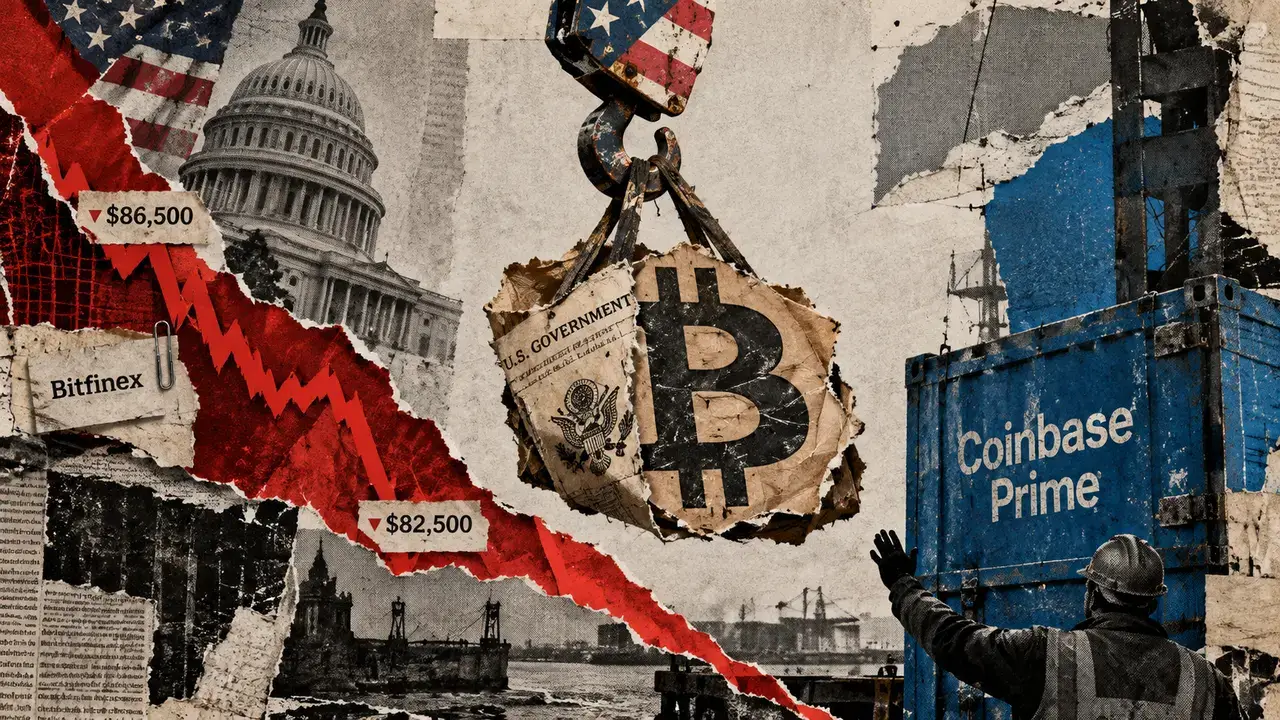
US government moves another $1 billion in Bitcoin as BTC slides $4,000
US government-linked wallets moved over $1 billion in Bitcoin on Oct. 8 as BTC prices fell and more coins reached Coinbase Prime....
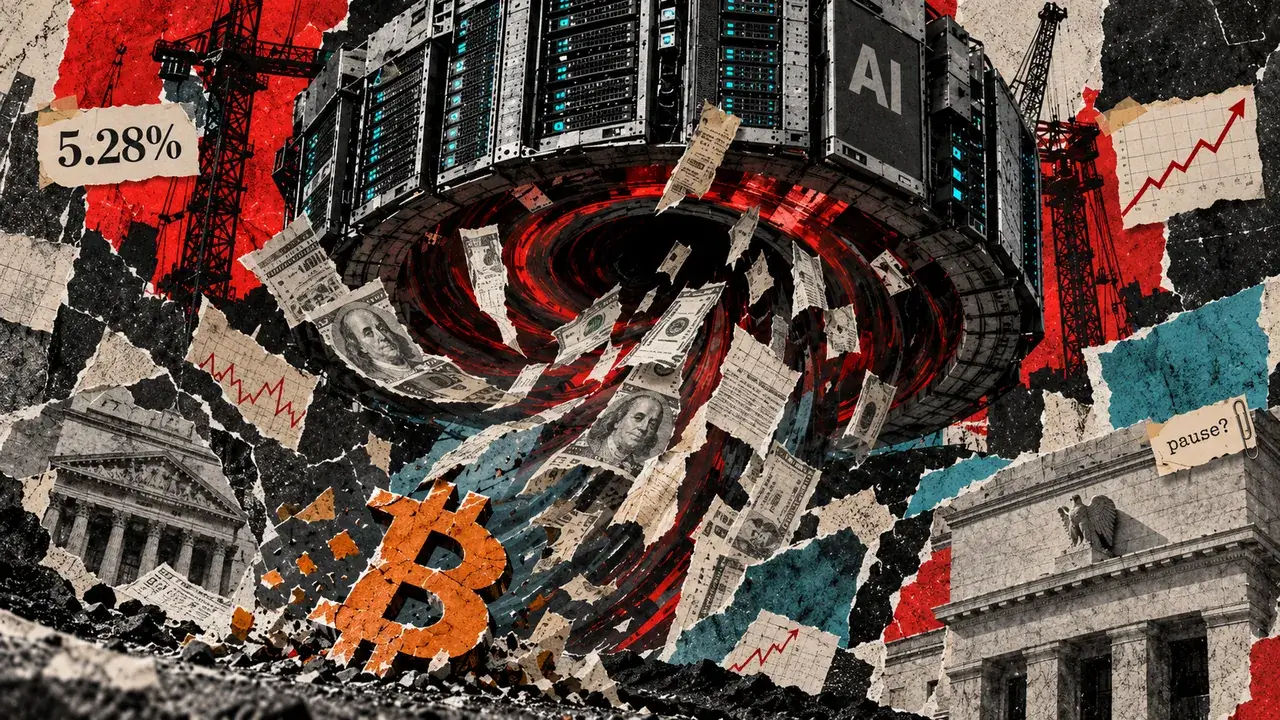
AI may be keeping Bitcoin’s biggest macro headwind alive after the Fed stops hiking
Bitcoin faces a new macro headwind from the artificial-intelligence boom as massive infrastructure spending competes for long-term...

MEXC and Payward Highlight Collaboration as Crypto and TradFi Converge at TOKEN2049
October 9, 2026 – MEXC,a pioneer in 0-fee digital asset trading, and Payward, the parent company of Kraken, shared their perspecti...

Robinhood Explores Stock Token Tied to T. Rowe Price Actively Managed ETF
Robinhood Crypto said in a post on Thursday that it is exploring a Stock Token tied to an actively managed ETF, with T. Rowe Price...