Uniswap Delists HEX Token From Interface – It’s Allegedly An Unregistered Security, SEC Says
Earlier this week, the United States Securities and Exchange Commission (SEC) deemed the HEX token an unregistered security. As a result, Uniswap, the largest decentralized exchange protocol in the world, removed the tok...
Archive context
Older archive item. Useful for background and entity history, but not a fresh market-moving signal.
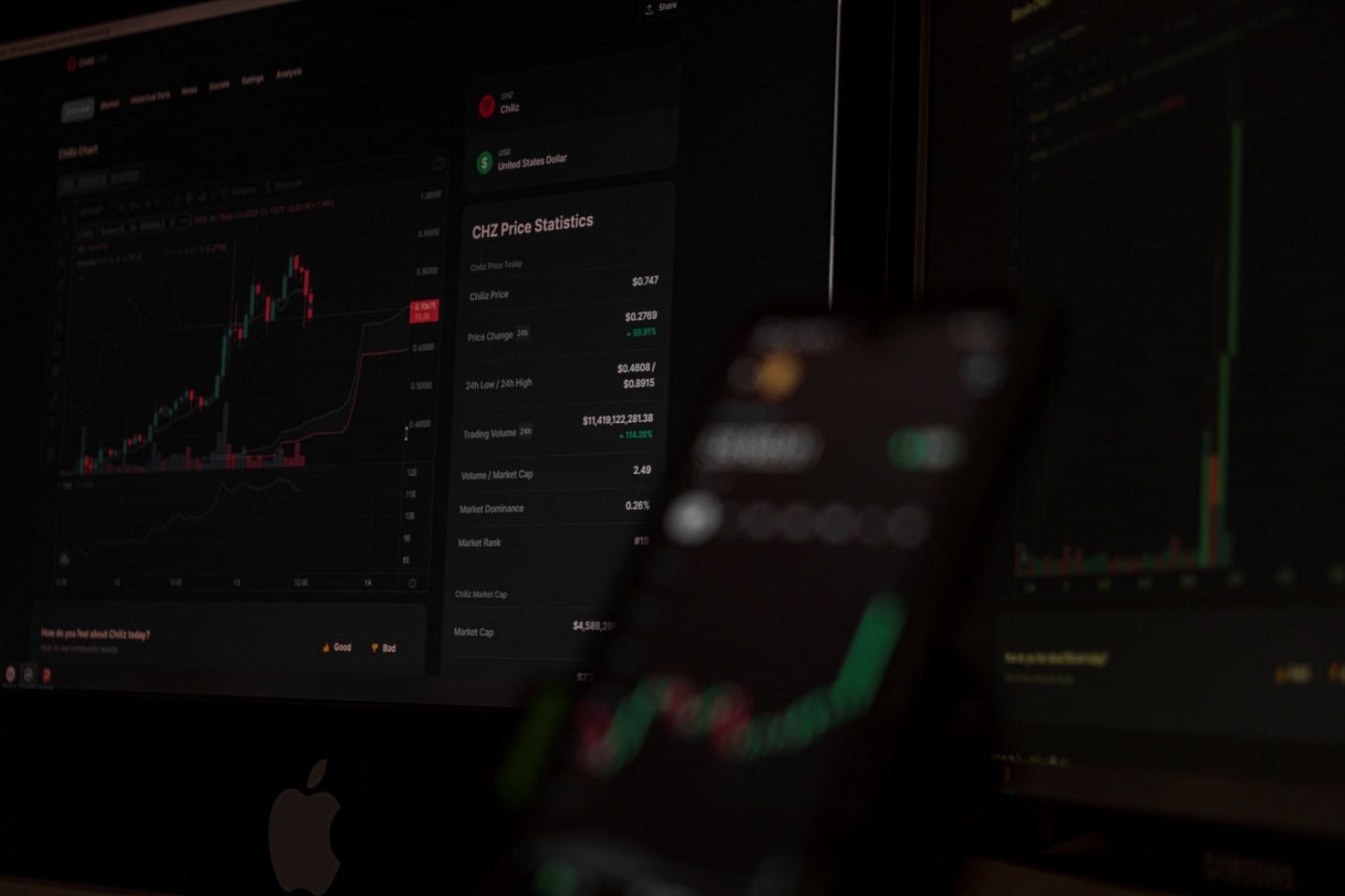
Earlier this week, the United States Securities and Exchange Commission (SEC) deemed the HEX token an unregistered security.
As a result, Uniswap, the largest decentralized exchange protocol in the world, removed the token from its interface.
Uniswap blocks tokensThe HEX token now appears on the “unsupported” tokens list with a note stating that Uniswap blocks tokens that violate trademarks, have been proven to be scams, or have legal considerations.
However, even though tokens are removed from the interface, they can still be traded via the decentralized protocol.
Delisting only occurs at the front-end level, which means that all wallets on alternative-hosted websites can still trade delisted tokens. Alternatively, users can interact directly with the protocol’s smart contract to trade these tokens.
This week, the SEC announced that it had deemed HEX an unregistered security in its lawsuit against Richard Schueler (also known as Richard Heart) and his projects, HEX, PulseChain, and PulseX.
The lawsuit alleges that Schueler raised more than $1 billion across three unregistered securities offerings starting in 2019 and also deceived investors by using their money for personal expenses.
According to the SEC lawsuit filed on Monday, the PLS and PLSX tokens are still operating but are not currently available on Uniswap.
The SEC cited Uniswap in the lawsuit to explain why they opted to file the case in the U.S. District Court for the Eastern District of New York.
According to the SEC, a significant number of the transactions mentioned in the lawsuit occurred on Uniswap, which has its developers based in Brooklyn.
“Venue is proper in this District because many of the crypto asset transactions described herein took place on Uniswap, a so-called decentralized crypto asset trading platform whose developers are headquartered in Brooklyn. Heart specifically designed PulseX as a fork of Uniswap,” the SEC said in the complaint.
“Additionally, at least one investor of PulseChain and PulseX resides in this District.”
Why this matters
This security story adds another data point to the current market tape and is useful when read alongside nearby source coverage.
Original source
Read on CryptoGazetteRelated market context

Securitize Rolls Out 1:1-Backed Tokens of Apple, Nvidia and 10 Other U.S. Stocks on Solana
Securitize launched Securitize Stocks on Thursday, a line of tokenized U.S. equities for eligible investors in the U.S., the Europ...
UK sanctions crypto payment processors Cryptomus, Heleket, and exchange TokenSpot
The UK's sanctions highlight the increasing scrutiny on crypto's role in evading financial restrictions, impacting global complian...

Avalanche Tokenized Treasury Market Reaches $545 Million After Rapid Growth
TL;DR: Tokenized US Treasury assets on Avalanche have reached roughly $545 million, according to data highlighted this week. The s...

GTA VI leaker is back and still pumping their crypto
Pseudonymous GTA VI leaker “Cyberleek,” who used spoilers to boost their crypto token, is now posting apparent gameplay footage of...
Securitize Launches Tokenized Apple, Nvidia and Tesla Stocks on Solana
Eligible US and EU investors can access share-backed tokens through Securitize’s broker-dealer platform; trading on NYSE and OKXIC...

Vitalik Buterin urges calm as AI raises new fears over Bitcoin and Ethereum cryptography security
Ethereum co-founder Vitalik Buterin warned that AI-driven advances in mathematics could weaken both existing crypto signatures and...