US Justice Department Launches Website for Bitfinex Hack Victims, But Help Might Be Limited
In 2022, Ilya Lichtenstein and Heather Morgan, a married couple, were charged with attempting to launder over $4 billion worth of Bitcoin stolen during the hack. The U.S. government has since seized approximately $3.6 bi...
Archive context
Older archive item. Useful for background and entity history, but not a fresh market-moving signal.

In 2022, Ilya Lichtenstein and Heather Morgan, a married couple, were charged with attempting to launder over $4 billion worth of Bitcoin stolen during the hack. The U.S. government has since seized approximately $3.6 billion in assets from the pair—the largest financial seizure in history, both in crypto and traditional finance.
Lichtenstein and Morgan are accused of conspiring to launder 119,754 Bitcoin stolen in the hack, which exploited vulnerabilities in the centralized crypto exchange, Bitfinex. According to Deputy Attorney General Lisa Monaco, “In a futile effort to maintain digital anonymity, the defendants laundered stolen funds through a labyrinth of cryptocurrency transactions.”
The DoJ InitiativeThe new DoJ initiative invites individuals to share how the hack and subsequent laundering attempts affected them. However, the department’s official stance, as outlined in the announcement, is that under the Crime Victims’ Rights Act (CVRA), the offenses in this case technically have no “victims.” The DoJ clarified, “This notice is being provided out of an abundance of caution.” This suggests that it’s unclear whether affected parties will receive any restitution or formal recognition as victims.
Adding another twist, Morgan’s defense team recently released a sentencing memo in which she claims, “In 2020, I learned that my husband Ilya Lichtenstein committed a serious crime in 2016. When he told me what he had done, I was in complete shock. I made the poor decision to get involved in Ilya’s crime.” Morgan further explained that she participated in the scheme out of fear for her husband’s future, as they were planning to start a family together.
For those impacted by the Bitfinex hack, this DoJ website may be their only avenue to share their experience, though whether it will lead to meaningful compensation or justice remains uncertain.
Why this matters
This security story adds another data point to the current market tape and is useful when read alongside nearby source coverage.
Original source
Read on Brave New CoinRelated market context

U.S. Government Sends $1 Billion in Seized Bitfinex Bitcoin to Unlabeled Wallets
A wallet holding bitcoin stolen in the 2016 Bitfinex hack sent 12,267 BTC, worth about $1.01 billion, to new addresses on Thursday...
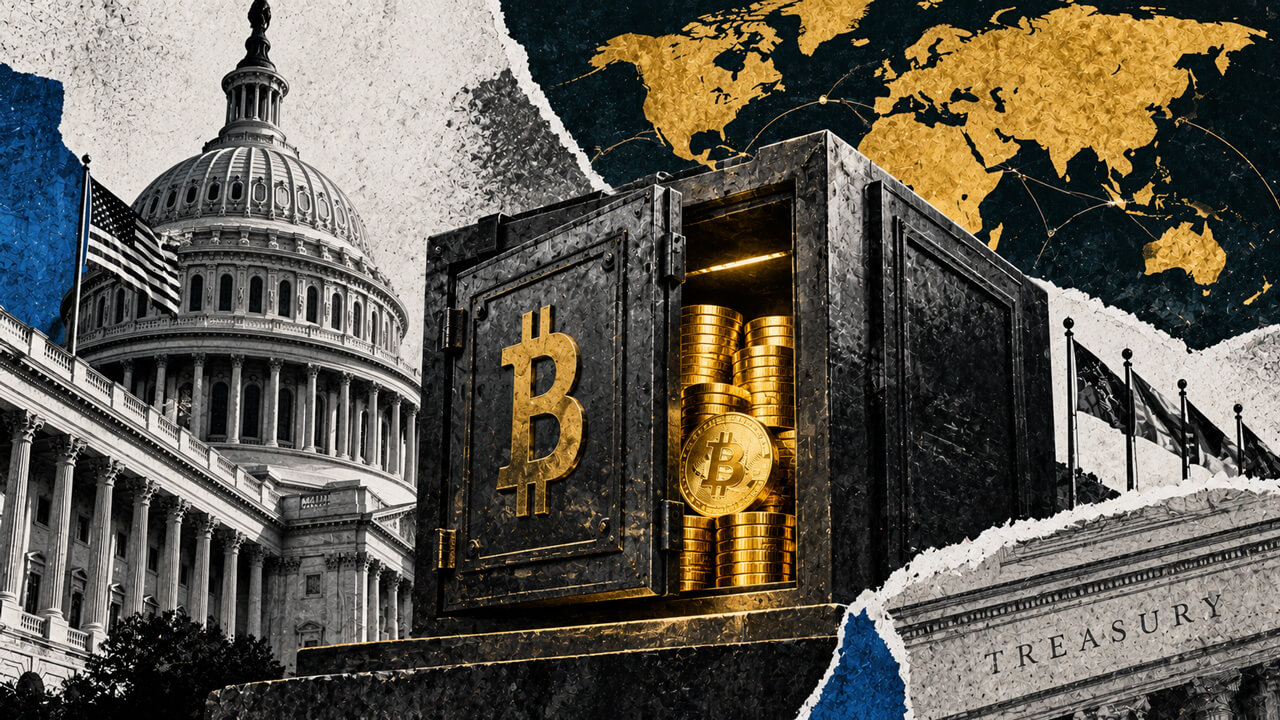
US government moves $470 million in seized crypto to Coinbase wallets, raising Bitcoin sale questions
The US government moved about $470 million in seized crypto to likely Coinbase Prime addresses, according to Arkham, reviving ques...
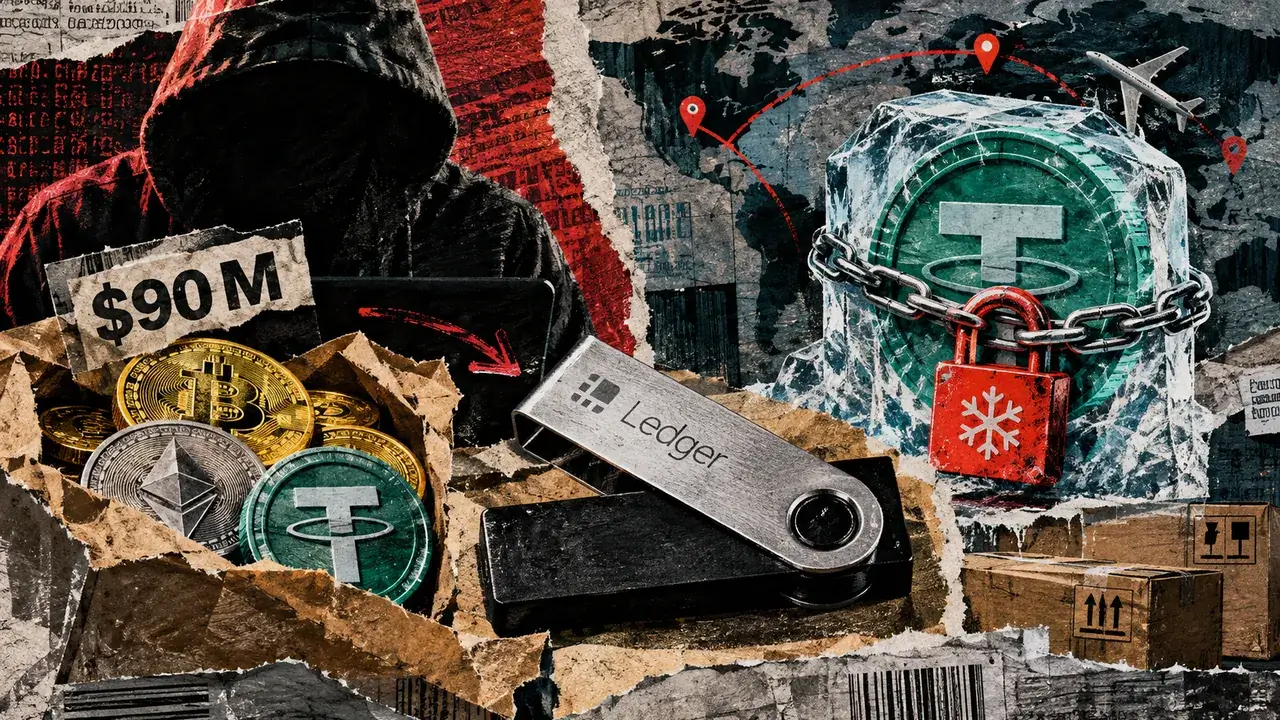
Ledger hack scare nears $90 million as Tether moves to freeze stolen USDT
Suspected Ledger wallet thefts are approaching $90 million as Tether freezes USDT stablecoin linked to the incident, according to...
Wallet linked to 2016 Bitfinex hack transferred 12,267 BTC valued at $1.01 billion to new addresses
The transfer of BTC linked to the 2016 hack may signal future market volatility and strategic shifts, impacting Bitcoin's price st...

US government moves $1.01 billion in Bitcoin from Bitfinex hack wallet
The transfer suggests a strategic shift in government crypto asset management, potentially impacting market dynamics and regulator...
US Government Moves $1 Billion in Bitcoin Seized From Bitfinex Hacker
A government wallet holding Bitcoin seized from the Bitfinex hacker sent 12,267 BTC to a new, unlabeled address, according to Arkh...