U.S. Sanctions Russian Crypto Exchange Garantex in Crackdown on Houthi Funding
The U.S. Department of the Treasury has imposed fresh sanctions aimed at dismantling the financial networks supporting Yemen’s Houthi movement, with a specific focus on digital currency channels.In a coordinated move, th...
Archive context
Older archive item. Useful for background and entity history, but not a fresh market-moving signal.
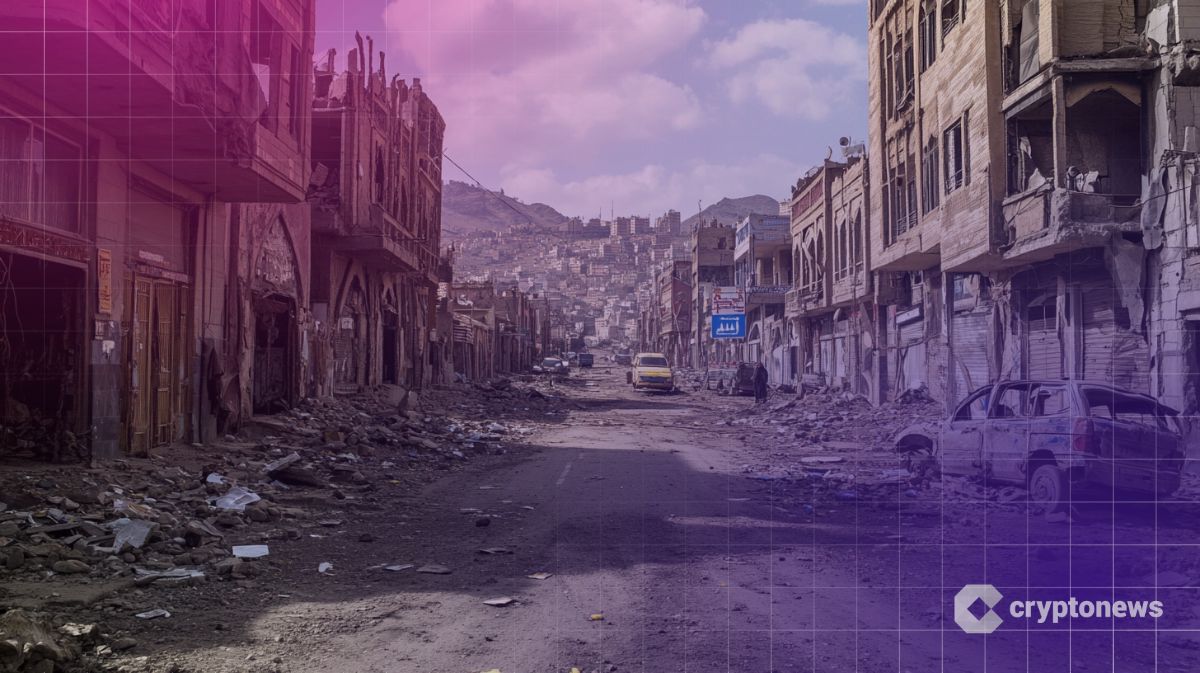
The U.S. Department of the Treasury has imposed fresh sanctions aimed at dismantling the financial networks supporting Yemen’s Houthi movement, with a specific focus on digital currency channels.
In a coordinated move, the Office of Foreign Assets Control (OFAC) blacklisted eight cryptocurrency addresses allegedly controlled by the Houthis, a group officially designated as a Specially Designated Global Terrorist (SDGT) entity.
This latest round of sanctions follows renewed concerns over the group’s ties to Iran’s Islamic Revolutionary Guard Corps–Qods Force (IRGC-QF) and other regional actors.
Sanctioned Crypto Wallets Linked to Funding Red Sea Attacks, Say U.S. OfficialsThe addresses identified are believed to be part of a broader infrastructure facilitating the transfer of funds to support militant activities, including attacks on commercial shipping in the Red Sea.
Two of the designated wallets have previously been linked to Sa’id al-Jamal, an Iran-based financier with known affiliations to both the Houthis and the IRGC-QF.
Other addresses are connected to entities previously identified by Israel’s National Bureau for Counter Terror Financing (NBCTF) as participating in terror financing networks.
Blockchain intelligence firm TRM Labs has analyzed the addresses in question and found millions of dollars in transaction volume tied to sanctioned entities.
These include direct links to Garantex, a Russian cryptocurrency exchange that is already under U.S. sanctions.
The wallets also show interactions with suppliers of unmanned aerial vehicle (UAV) components, suggesting funds may have been used to procure military equipment.
This action is part of a broader U.S. strategy to curtail the Houthis’ funding streams, both traditional and digital.
Today, OFAC sanctioned the Houthi network for facilitating commodity trades from Russia—including weapons and stolen Ukrainian grain—via cryptocurrency. 8 crypto wallets tied to these illicit activities were identified. Read our blog to learn more: https://t.co/nuwZu1c4OL pic.twitter.com/rwE3h6JcPp
— Chainalysis (@chainalysis) April 2, 2025On March 15, the U.S. conducted airstrikes on Houthi positions in Yemen, following increased attacks on Red Sea shipping.
The Treasury has since intensified financial pressure, reinstating the Houthis’ terrorist designation in February 2024 and targeting their cryptocurrency infrastructure.
The Houthi organization, also known as Ansar Allah, controls vast portions of Yemen, including the capital, Sanaa.
Their funding sources include taxation, customs duties, fuel and arms smuggling, and increasingly, the use of digital assets.
U.S. intelligence has reported that the group began cryptocurrency mining operations as early as 2017 to gain financial independence and evade sanctions.
However, the overall impact of their crypto-mining activities remains limited.
Al-Jamal’s Network at Heart of Houthi Financing via Local Money ServicesA key player in the Houthis’ financial apparatus is al-Jamal’s network, which has relied on local money service businesses such as Mohammed Ali Al Thawr Exchange and Al Hazmi Exchange.
These institutions have been instrumental in laundering millions of dollars through entities like the Davos Exchange and Remittances Company, which pose as legitimate financial operations.
The eight sanctioned wallets are now flagged in TRM Labs’ systems.
The firm continues to work closely with U.S., Israeli, and global law enforcement agencies to monitor and disrupt the use of cryptocurrency in terror financing.
The post U.S. Sanctions Russian Crypto Exchange Garantex in Crackdown on Houthi Funding appeared first on Cryptonews.
Why this matters
This security story adds another data point to the current market tape and is useful when read alongside nearby source coverage.
Original source
Read on CryptonewsRelated market context

UK sanctions three crypto exchanges tied to Russian illicit funds
The UK sanctioned crypto exchanges and payment processors, some of which were tied to thousands of Russian entities and the sancti...

U.S. Government Sends $1 Billion in Seized Bitfinex Bitcoin to Unlabeled Wallets
A wallet holding bitcoin stolen in the 2016 Bitfinex hack sent 12,267 BTC, worth about $1.01 billion, to new addresses on Thursday...
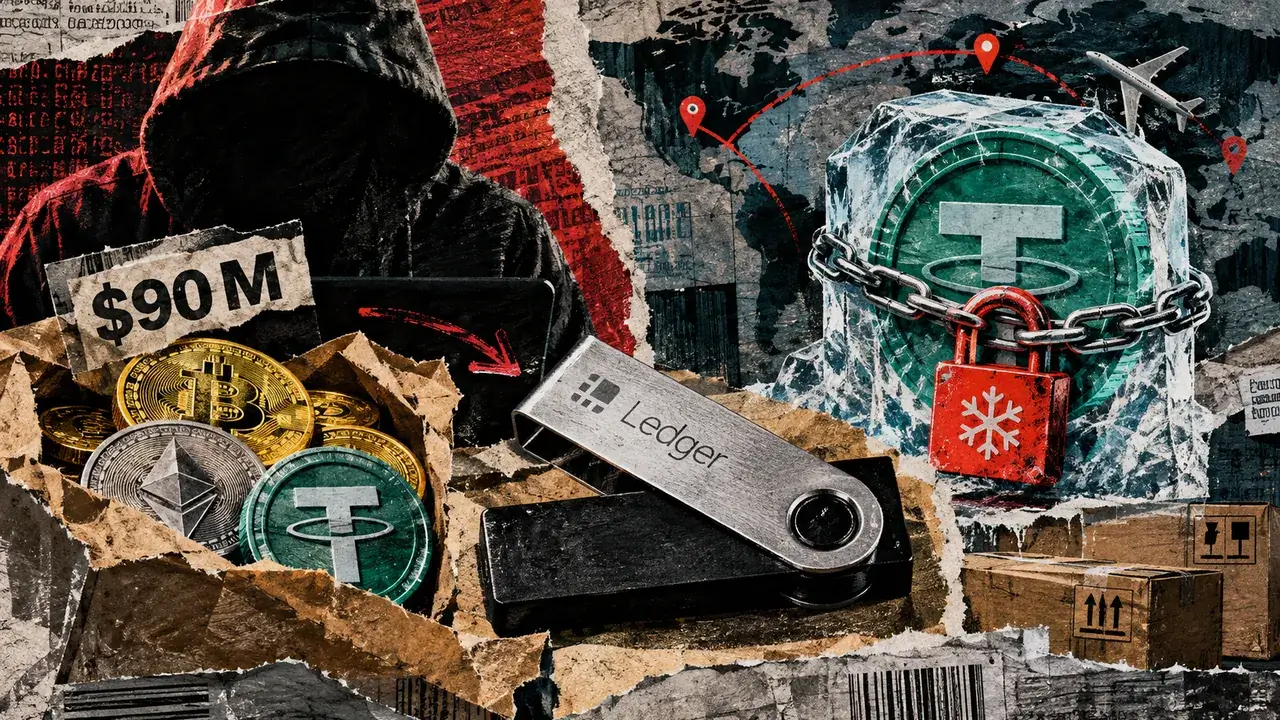
Ledger hack scare nears $90 million as Tether moves to freeze stolen USDT
Suspected Ledger wallet thefts are approaching $90 million as Tether freezes USDT stablecoin linked to the incident, according to...
‘We Know Where It Is’: Treasury Secretary Threatens To Freeze $1B of Iran’s Crypto
Bitcoin Magazine ‘We Know Where It Is’: Treasury Secretary Threatens To Freeze $1B of Iran’s Crypto U.S. Treasury Secretary Scott...

IMF warns tokenized markets could amplify financial risks
Tokenized markets' rapid growth could exacerbate financial instability, necessitating robust regulatory frameworks to mitigate sys...

Solana hits 1.88M unique active addresses, its highest level in 13 months
Solana's surge in active addresses highlights its growing utility for stablecoin transactions, despite ETF outflows, signaling eco...