US Treasury Official: We Don’t See That Crypto Could Be Used in Large-Scale Way to Evade Sanctions
The U.S. Department of the Treasury does not see that cryptocurrency could be used in a large-scale way to evade sanctions. “Its share as a medium for illicit finance is not anywhere as large as just using cash,” a senio...
Archive context
Older archive item. Useful for background and entity history, but not a fresh market-moving signal.
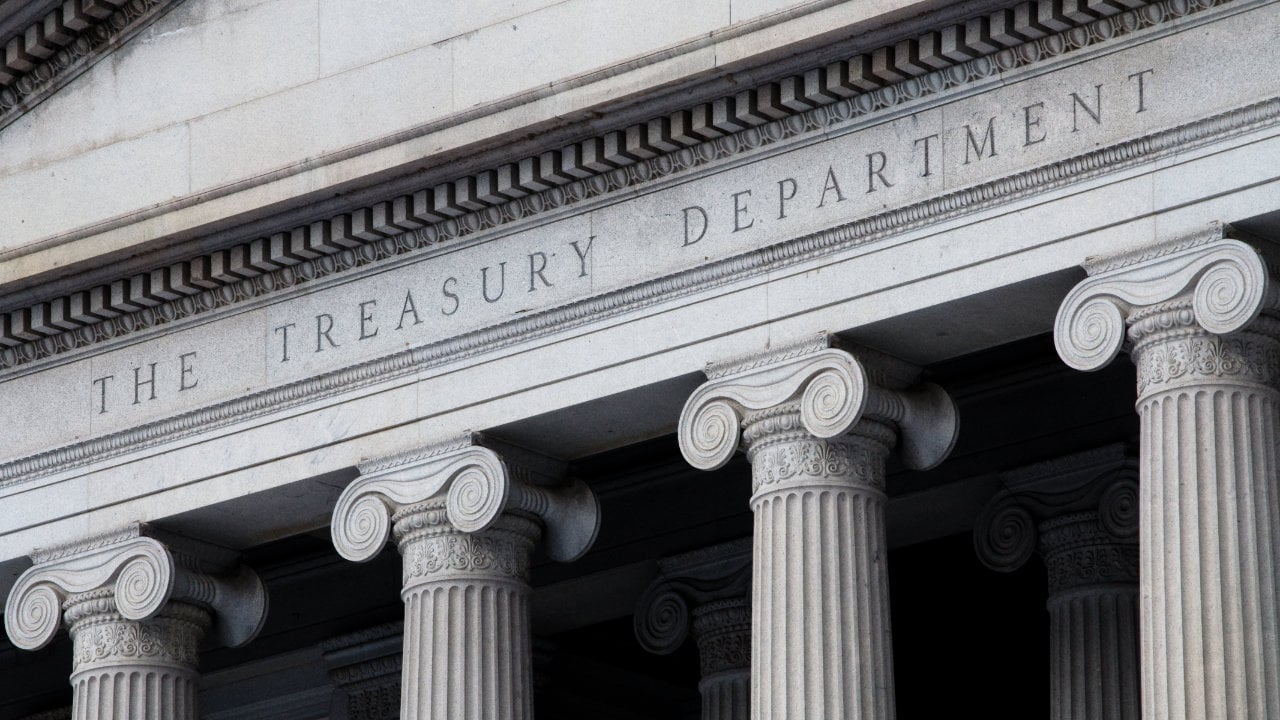
The U.S. Department of the Treasury does not see that cryptocurrency could be used in a large-scale way to evade sanctions. “Its share as a medium for illicit finance is not anywhere as large as just using cash,” a senior Treasury official noted.
Treasury Department’s View on Crypto Use to Evade Sanctions
Nellie Liang, Treasury undersecretary for domestic finance, talked about the potential use of cryptocurrency as a tool to evade sanctions for Russia Friday in an interview with Reuters.
The senior Treasury official explained that the crypto market is currently not large enough to run an economy on, and the crypto ecosystem is too underdeveloped to effectively facilitate sanctions evasion on a large scale.
“The transaction size we’ve seen is fairly small. Of course, we recognize we may not see everything, but there is a fair amount of oversight,” Liang was quoted as saying. She elaborated:
At this point, we just don’t see that it could be used in a large-scale way to evade sanctions.
The official revealed that the Treasury has been studying the issue for years. In addition, the Group of Seven (G7) advanced economies and other countries have raised concerns about the use of cryptocurrency for illicit finance.
She added:
While it’s growing because the use of crypto is growing, its share as a medium for illicit finance is not anywhere as large as just using cash.
Despite many sources confirming that cryptocurrency is currently not an effective tool for sanctions evasion on a large scale, Senator Elizabeth Warren remains deeply concerned.
She introduced a bill Thursday “to ensure that Vladimir Putin and Russian elites don’t use digital assets to undermine the international community’s economic sanctions against Russia following its invasion of Ukraine.” However, an expert said that her bill is “unnecessary, overbroad, and unconstitutional,” as Bitcoin.com News previously reported.
Meanwhile, President Joe Biden signed an executive order on crypto regulation last week. The order directs the secretary of the treasury to work with all relevant agencies to produce a report on the future of money and payment systems. Liang will lead the Treasury’s effort to implement the executive order.
What do you think about the Treasury official’s comments? Let us know in the comments section below.
Why this matters
This security story adds another data point to the current market tape and is useful when read alongside nearby source coverage.
Original source
Read on Bitcoin NewsRelated market context

Avalanche Tokenized Treasury Market Reaches $545 Million After Rapid Growth
TL;DR: Tokenized US Treasury assets on Avalanche have reached roughly $545 million, according to data highlighted this week. The s...
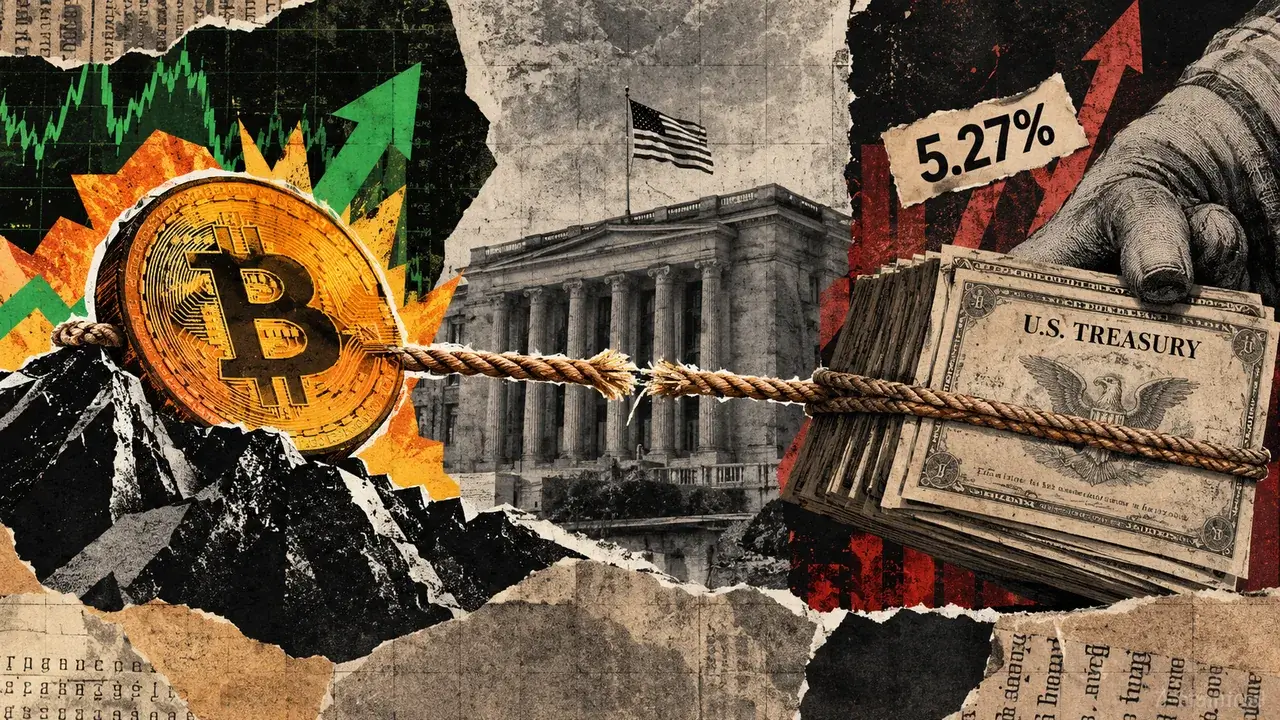
Bitcoin price has risen 84% since January 2024 while Treasury yields climbed
Bitcoin traded below $84,000 on Oct. 7 as US Treasury yields near 5.3% offered investors a competing interest-bearing alternative....

OpenAI math breakthroughs raise ‘bunker mode’ alarm from Bitcoin researcher Justin Drake
OpenAI’s latest advances in mathematics have prompted a leading Ethereum researcher to warn that crypto’s core wallet security cou...

Tether Celebrates 12 Years, USD₮ Surpasses 700M Users
Key Takeaways: Tether marked the 12th anniversary of the world’s largest stablecoin by market cap, USD₮. The company claims that U...
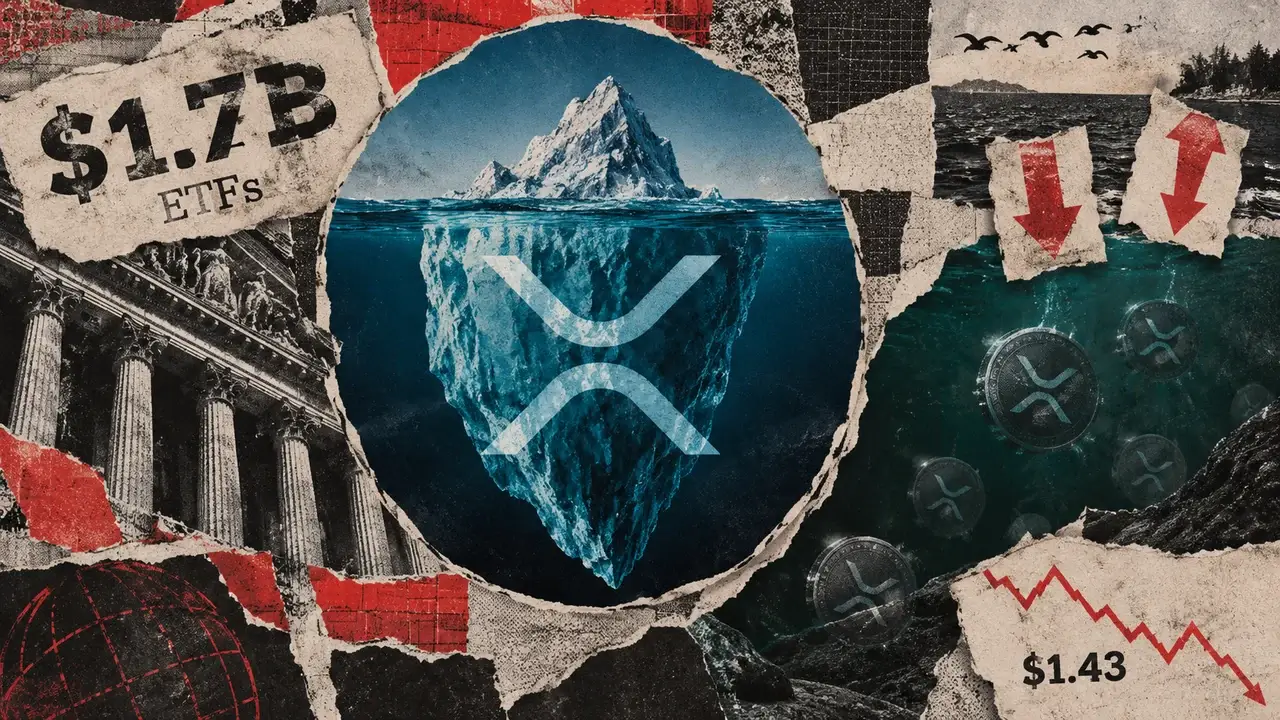
XRP ETFs now hold $1.7 billion but took in just $4M last week
XRP traded around $1.43 on Oct. 7, down 5.46% over 24 hours. Five tracked US spot XRP ETFs held an estimated $1.7 billion at the p...

Cybersecurity consultant found guilty of stealing $55M in crypto from Uranium Finance
The conviction highlights the vulnerabilities in DeFi systems and underscores the effectiveness of blockchain forensics in tracing...